If you’ve ever stopped to think about what’s running the drinking water line to farm troughs, animal kennels, or even the small pet water stations in your backyard, you’re not alone. For years, as someone who’s worked with PVC hoses—both manufacturing them and advising farmers, pet care providers, and livestock managers on their use—I’ve fielded the same question over and over: Is this hose safe for my animals to drink from? It’s a question that’s rooted in real concern, especially after hearing anecdotal stories about chemical leaching, strange tastes in water, or even warnings about certain plastics being unsafe for livestock. Let’s cut through the noise, talk about the science, share what we’ve learned from years in the industry, and break down exactly where PVC hoses stand when it comes to animal drinking water. PVC Hose
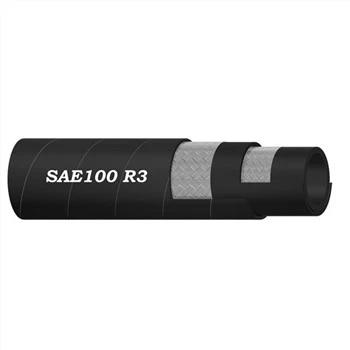
First, let’s get clear on what PVC is, because not all PVC hoses are created equal. Polyvinyl chloride, or PVC, is a versatile plastic polymer that’s been around for over a century. To make a flexible PVC hose (the kind most people use for water lines, not the rigid PVC pipe used for plumbing), manufacturers add plasticizers. For decades, the most common plasticizer used was di-2-ethylhexyl phthalate, or DEHP. Phthalates like DEHP have long been a point of concern because they can leach out of plastic over time, especially when exposed to heat, friction, or certain chemicals. But here’s the thing: the PVC industry has come a long way, and not all phthalates are the same, nor are all PVC hoses designed for the same purpose.
When it comes to animal drinking water, the key distinction is between PVC hoses that are formulated for potable, or food-safe, use and those that aren’t. That’s not a marketing buzzword—there are strict standards here. In the United States, the FDA has set guidelines for materials that come into contact with food or drinking water, and these include specific regulations for PVC. Hoses labeled as “FDA-compliant” or “potable water-grade” are made with plasticizers that meet these safety thresholds. These days, many manufacturers have moved away from phthalate plasticizers entirely for these applications, switching to alternatives like DINCH, DOTP, or other non-phthalate plasticizers that are proven to be stable in water and not leach harmful substances, even over long periods.
I’ve seen this play out firsthand in the work we do. A few years back, we had a customer who raised 200 dairy cows, and they came to us frustrated because their old hose was leaving a weird aftertaste in the trough, and the cows were drinking less water than they should. They’d been using a cheap, unlabeled PVC hose from a general hardware store, not realizing it wasn’t formulated for potable water. When they switched to our FDA-compliant PVC water hose, designed specifically for drinking water applications, the aftertaste went away, and the cow water intake returned to normal within a week. That’s the kind of real-world impact that the science backs up—formulation matters more than the material itself, when we’re talking about safety.
But let’s address the elephant in the room: what about leaching, and studies that have linked some PVC additives to health issues? It’s important to put these studies in context. Most of the concern about phthalates, for example, comes from studies on high-dose exposure in lab animals or studies on occupational exposure in factory workers, not from low-level, long-term exposure from drinking water from a properly formulated PVC hose. Regulatory agencies like the EPA, EFSA (European Food Safety Authority), and the FDA have all done extensive testing on this. EFSA, for instance, set a tolerable daily intake (TDI) for DEHP of 0.025 milligrams per kilogram of body weight per day. To hit that limit, a 1,000-pound cow would have to drink over 100 gallons of water that’s fully saturated with DEHP every single day—a scenario that’s impossible with properly made PVC hoses, because the leaching rate is so low.
Another point that’s often misunderstood is how PVC hoses perform compared to other common hose materials for animal water. People often ask, why PVC instead of rubber, EPDM, or silicone? Each has pros and cons, but PVC holds its own when it comes to safety and practicality. Rubber hoses, for example, can leach mold or mildew over time if they’re not dried properly, especially in humid environments. EPDM hoses are safe, but they’re more expensive and can be bulkier, which is a problem for tight spaces like small animal kennels or livestock troughs with narrow inlets. Silicone is safe, but it’s often too soft for heavy-duty use, and it breaks down quickly when exposed to UV light outside. PVC, when it’s formulated correctly, balances safety, flexibility, durability, and cost—making it a go-to for many animal care operations.
That said, there are definitely wrong ways to use a PVC hose for animal drinking water. I’ve seen customers make mistakes that lead to safety issues, and it’s important to call these out so you can avoid them. The first mistake is using a hose that’s not labeled for potable water. Cheap, untested PVC hoses, often sold for construction or garden use, are made with lower-quality plasticizers that can leach. Another mistake is leaving the hose submerged in standing water for long periods. Even the best PVC hose can degrade a little if it’s sitting in water non-stop, so it’s good practice to drain the hose when it’s not in use and store it in a cool, dry place. Heat is another factor—if you leave a PVC hose out in direct sunlight for weeks, especially in hot climates, the plastic can break down, increasing the chance of leaching. We always recommend installing PVC water lines for animals in shaded areas or using hose guards to minimize UV exposure, which extends the hose’s life and maintains its safety.
I also want to talk about animal-specific considerations, because different animals have different water needs and sensitivities. Livestock like cows, horses, and sheep are hardy, but small animals like dogs, cats, poultry, or exotic pets can be more sensitive to even small changes in water quality. For poultry, for example, clean water is critical for growth and egg production, and many poultry farmers swear by potable-grade PVC hoses because they don’t impart any strange tastes or chemicals that would make the birds stop drinking. We’ve worked with a large poultry operation in the Midwest that’s been using our PVC hose for over five years, and they’ve never had a complaint about water quality or animal health related to their hoses. For smaller pets, like dogs that use outdoor water hoses, potable PVC is a safe, cost-effective choice, as long as it’s replaced every few years—just like any other hose, PVC will eventually wear out, especially with regular use.
I’ve also had customers ask about cross-contamination. If you use a PVC hose for transporting other liquids, like cleaning products or fertilizers, can that make it unsafe for animal water again? The short answer is yes, if you don’t properly clean the hose before switching back to water. If you use a hose for any other purpose, make sure to flush it thoroughly with clean water multiple times before using it for drinking water. Even the most durable hose can hold residue from other liquids, so a little extra care goes a long way.
Over the years, as a PVC hose supplier, we’ve made safety non-negotiable. Every hose we produce for animal drinking water goes through rigorous testing to meet FDA, EPA, and EFSA standards. We work with independent third-party labs to test for leachables every year, and we update our formulations as new research comes out. A few years ago, when we saw growing concern about certain plasticizers, we invested in new equipment to switch our entire potable line to non-phthalate plasticizers, just to give our customers even more peace of mind. That’s the kind of commitment we have, and it’s why so many farmers, kennel operators, and pet care providers come back to us year after year.
I know that when it comes to something as important as your animals’ health, there’s no room for guesswork. The good news is that PVC hose can be a safe, reliable choice for animal drinking water—if you choose the right hose and use it correctly. Avoid the cheap, unlabeled hoses from the hardware store that aren’t tested for potable use. Look for labels that say FDA-compliant, potable water-grade, or NSF (National Sanitation Foundation) certified—NSF is another key standard, because they test for contaminants that can affect drinking water. And follow the basic best practices: don’t leave the hose submerged, store it properly, replace it every 3-5 years (even if it looks fine, plastic breaks down over time), and never use it for other liquids without cleaning it thoroughly.
Suction Hose If you’re still unsure whether PVC hose is right for your operation, or if you have questions about which type would work best for your animals—whether that’s cows, dogs, poultry, or something else—reach out to our team. We don’t just sell hoses; we work with our customers to find solutions that fit their specific needs. We’ve spent years in this industry, talking to farmers, pet care professionals, and veterinarians, and we’re here to help you make the safest choice for your animals. Don’t let misinformation or fear hold you back—PVC can be a great option, when you know what to look for.
References
- U.S. Food and Drug Administration (FDA). (2023). Food Contact Substances: PVC Polymers and Resins.
- European Food Safety Authority (EFSA). (2021). Safety Assessment of Phthalates in Food Contact Materials.
- U.S. Environmental Protection Agency (EPA). (2022). Drinking Water Hose Materials and Leaching Testing Protocols.
- National Sanitation Foundation (NSF). (2020). Standard 61: Drinking Water System Components – Health Effects.
- American Veterinary Medical Association (AVMA). (2022). Livestock Water Quality and Hose Safety Guidelines.
Hebei Qianli Rubber Products Co., Ltd.
As one of the most professional pvc hose manufacturers and suppliers in China, we have world-leading production equipment and strong manufacturing capabilities. Please feel free to buy bulk durable pvc hose made in China here from our factory.
Address: West industrial Zone, Jing County, Hengshui City, Hebei Province, China.
E-mail: manager@hebeiqianli.com
WebSite: https://www.qianlirubber.com/
