If you’ve ever walked past a construction site and spotted those sturdy C-shaped steel beams holding up walls, roofs, or even the frames of shipping containers, chances are those beams were made on a C purlin forming machine. As someone who’s been supplying these machines to fabricators, construction crews, and small manufacturing shops for over a decade, the question I get most often isn’t “How much does this cost?” or “How fast can it make beams?” — it’s “Is this thing actually easy to run?” C Purlin Forming Machine
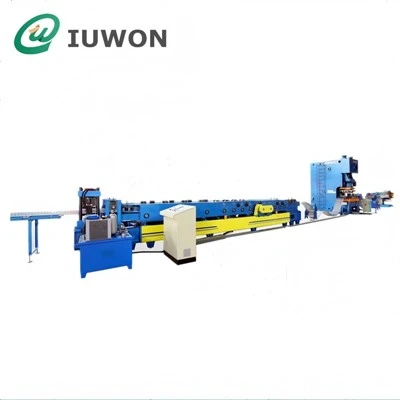
I get it. When you’re dropping tens of thousands of dollars on a piece of industrial equipment, you don’t want to sink another chunk of cash into training a whole crew just to get it up and running. You also don’t want to deal with constant breakdowns because an operator didn’t get the hang of the basics. A lot of the time, people hear “industrial forming machine” and immediately picture a complicated, 100-page manual full of jargon that makes zero sense. But let me tell you — after working with hundreds of operators, from 19-year-old new hires to seasoned fabricators who’ve used every tool in the book, the answer isn’t a straight “yes” or “no.” It’s more like: it’s way easier than you think, as long as you go into it with the right expectations.
First, let’s clear up the biggest misconception. These machines aren’t like old-school manual brakes where you have to bend metal by hand, measuring every inch with a tape and crossing your fingers it lines up right. Modern C purlin forming machines are fully automated (well, mostly). They take a flat coil of steel, feed it through a series of rollers that slowly shape it into that familiar C profile, cut it to the exact length you need, and even punch holes for bolts if you set it up right. Most of the programming happens on a simple touchscreen — think of the same kind of screen you use at a self-checkout or your smart fridge, nothing super fancy. When we deliver a machine, we don’t just drop it off and leave. We send one of our techs to walk your crew through the whole process in person, and honestly, 9 times out of 10, that initial training session is all you need.
Let’s break down what actually goes into operating one, step by step, so you can get a real feel for it. The first time you turn the machine on, you’re not hitting some hidden factory secret button. You connect the steel coil to the uncoiler (that’s the big stand that holds the flat metal), thread the end of the coil through the entry rollers, and guide it until it feeds into the main forming section. That part takes 10 minutes max — no heavy lifting, by the way; the uncoiler has a hydraulic brake that holds the coil in place so it doesn’t unravel while you work. Then you go to the touchscreen, type in the length of C purlin you need, how many holes per foot, and what gauge steel you’re using. Press “start,” and the machine does the rest. It feeds the metal through 12 to 18 sets of rollers that shape it smoothly, not too fast, not too slow, and cuts it when it hits your set length.
I’ve had operators who’d never touched a metal machine in their lives pick up the basics in a single 8-hour shift. Of course, there’s a learning curve, and it’s not zero, but it’s way smaller than it used to be 20 years ago. Back in the day, forming machines had knobs and dials for every single roller, and if you turned one just a hair wrong, you’d get a warped beam that was useless. Now, most machines have pre-set profiles for standard C purlin sizes (like C8, C10, C12) built right into the screen. All you have to do is pick the size you need, and the rollers adjust automatically. No guessing, no tweaking until your eyes cross. That’s a game-changer for small shops that don’t have a dedicated engineering guy on staff.
But wait, before you go signing on the dotted line, let’s talk about the parts that aren’t so simple, because that’s where a lot of people get tripped up. The learning curve isn’t steep, but it’s there, and it’s tied to how well you understand the materials you’re working with. Steel isn’t one-size-fits-all. If you’re working with 16-gauge steel (thin, lightweight stuff for interior framing) vs. 10-gauge steel (thick, heavy-duty for roof supports), the tension on the rollers changes, the feed speed changes, and you have to adjust the cutters to make a clean, straight edge. If you try to run thick steel at the same speed as thin steel, you’ll either get a buckled beam or the cutters will dull way faster than they should. That’s not the machine being hard to run — that’s just knowing how to work with the material, which takes a day or two of practice, not weeks.
Another thing: maintenance. A lot of new operators think the machine will run forever without any upkeep, but that’s not true. You have to lubricate the rollers every few hours, check for loose bolts, and clear out any scrap or shavings that build up in the base. That’s not rocket science, but it’s something you have to get into the habit of doing. When we train crews, we make maintenance a core part of the session, not an afterthought. We show them exactly what to lubricate, how often, and what to look for to catch small problems before they turn into big ones. I’ve had customers who skipped training on maintenance and ended up with a machine that broke down after three months, and that’s totally avoidable.
Let’s also talk about the human side of this. Every operator is different. Some people pick up the touchscreen and automation in an hour, others need a little more time, and that’s okay. One of our regular customers is a small construction company in rural Ohio. They bought a machine three years ago, and the guy who runs it is a 22-year-old kid who’d never worked with metal before. His boss told me he was nervous at first, but by the end of the first week, he was running 100-foot C purlins all day with barely any mistakes. The company has since bought two more machines, and that kid now trains the new hires. That’s not an isolated case. I’ve had 50-year-old guys who’ve been in construction for 30 years struggle a little more with the touchscreen at first, but once they get the hang of it, they’re just as good as anyone else.
Now, let’s get real about what the internet will tell you. If you Google “C purlin forming machine easy to operate,” you’ll find a ton of forum posts from people who had bad experiences. Most of the time, those bad experiences come from two things: buying a cheap, knockoff machine from a random overseas seller that skips all the safety features and pre-set profiles, or skipping the proper training because you thought “I can figure it out myself.” The cheap machines don’t have that automatic roller adjustment, so you have to tweak each one by hand, which is way harder and more error-prone. And if you try to wing it without training, you’ll end up warping beams, breaking cutters, or even getting hurt because you didn’t know how to use the safety guards correctly.
Speaking of safety, that’s another big part of the “easy” equation. Modern machines have plenty of safety features: emergency stop buttons on every side, guards that shut the machine off if you open them while it’s running, and sensors that stop the feed if something’s out of alignment. You don’t have to stand right next to the rollers while it’s running, which takes away a lot of the old-school stress of running a big metal machine. But again, you have to learn where all those safety features are and how to use them. Our techs spend a whole section of training on safety, because there’s no use having a machine that makes great beams if someone gets hurt running it.
So, to circle back to the original question: Is it easy to learn to operate a C purlin forming machine? The short answer is yes, especially if you buy a reputable machine from a supplier that includes hands-on training, and you’re willing to put in a day or two of practice. The long answer is: it’s not as easy as pressing a button and walking away (you still have to load steel, check the first beam for straightness, and do routine maintenance), but it’s way easier than almost anyone expects, especially compared to older equipment from decades ago. The days of needing a specialized engineer to run a forming machine are long gone. Now, it’s a tool that a small team, or even a single operator, can handle with minimal training.
If you’re in the market for a C purlin forming machine, don’t let the jargon or the big price tag scare you. The key is going with a supplier that doesn’t just sell you the machine, but supports you after the sale — training your crew, being there for troubleshooting when you have a question, and making sure you have all the resources you need to get up and running fast. We’ve helped dozens of clients go from zero beam-making experience to running full production in a week, and we’re here to do the same for you. Whether you’re a small construction shop looking to cut down on beam costs, a fabricator expanding your line, or someone just getting into the business, a good C purlin forming machine is an investment that pays off quickly, and operating it doesn’t have to be a headache.

If you’re ready to talk about what machine fits your needs, or you have questions about training, materials, or anything else, reach out to us to get the process started. We can walk you through different models, answer all your questions, and make sure you feel confident before you make a purchase.
Storage Rack Roll Forming Machine References:
- Metal Forming Magazine, “Modern Roll Forming Equipment for Small to Medium Fabricators,” 2022
- Occupational Safety and Health Administration (OSHA), “Safety Guidelines for Industrial Metal Forming Machinery,” 2021
- The Fabricator, “Training Requirements for Modern Forming Operations,” 2023
- International Roll Formers Association, “2024 Market Report on Compact C Purlin Forming Machines,” 2024
Hanghzou IUWON Technology Co., Ltd.
Address: No.755, Xintangtou Village, Xinjie Street, Xiaoshan District, Hangzhou, Zhejiang
E-mail: sales@iuwon.com
WebSite: https://www.iuwonforming.com/
