Hey there! If you’ve ever stopped by a construction site, a backyard, or even a farm supply shop, you’ve probably seen those neat wooden stacks—you know, the ones we supply? As someone who’s spent the last 8 years running a wooden stacks business, I get tons of questions from folks: “Do wooden stacks attract insects?” It’s a totally fair worry, especially if you’re using our stacks for patio furniture, garden beds, firewood storage, or even small workshop structures. I’m not here to give you a stuffy textbook answer, though—let’s break this down like we chat over a cup of coffee. Wooden Stacks
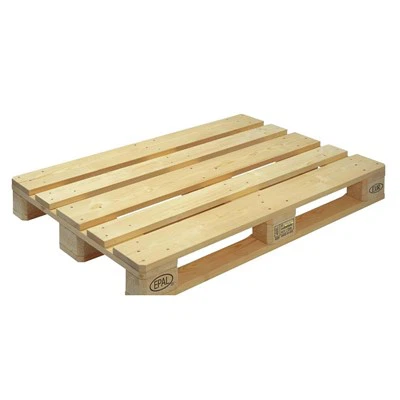
First off, let’s set the record straight: wooden stacks won’t automatically draw in bugs out of thin air. Wood is a natural, porous material, so it’s no surprise it can be a home for tiny critters, but the kind of wood, how it’s treated, where you store it, and even how dry it is all make a huge difference. Let’s start with the basics—what bugs even look for in wood? Termites, carpenter ants, beetles, even those little powderpost beetles? They don’t just pick any wood. They’re hunting for three things: moisture, soft wood (or wood that’s already damaged), and a safe spot to lay eggs. If your wooden stack checks those boxes, yeah, you might end up with a bug problem. But if not? You’re golden.
Let’s talk about wood type first. We sell a bunch of different wood for our stacks—pine, cedar, oak, even some pressure-treated lumber. Pine is super popular because it’s affordable and easy to work with, but it’s a softer wood. That makes it way more appealing to carpenter ants and powderpost beetles, which love munching through soft, unprotected wood. Cedar, on the other hand? It’s naturally resistant to bugs. It has those oils (like thujaplicin) that repel termites and beetles. A lot of our customers who use cedar stacks for garden beds swear by it—they almost never have bug issues. Oak is another tough one; it’s dense and hard, so most wood-boring bugs can’t get through it easily unless it’s been sitting wet for months.
Then there’s moisture—this is the big one, hands down. Dry wood is a hard pass for most bugs. If your wooden stack is sitting on the ground, or it’s covered in a way that traps water, or it’s been stored in a damp, shaded corner, that moisture seeps into the wood. Now you’ve got a perfect breeding ground. Termites, for example, need moisture to survive—they can’t live in wood that’s less than 12% moisture content. A lot of people think if they stack firewood against their house, that’s fine, but no—if it’s touching the damp soil, it’s just asking for termites to find their way into your home. We actually tell all our customers: never stack our wooden stacks directly on the ground. Lift them a few inches off the ground with concrete blocks or metal stands, so air can circulate underneath. That keeps the wood dry.
What about treated wood? We offer pressure-treated stacks for customers who need extra protection. The chemicals in pressure-treated wood (like chromated copper arsenate, though we use newer, safer formulations now) make it toxic to bugs and fungi. That’s why it’s so common for decks and outdoor structures. But wait—if you’re using treated wood for garden beds, make sure it’s the right kind. Old CCA-treated wood had arsenic, but the newer ACQ (alkaline copper quaternary) stuff is safe for plants. We always clarify that with our customers, because no one wants chemicals leaching into their veggies. Untreated wood, though? It’s great for things like decorative stacks or even firewood, but you’ve gotta be more diligent about storage.
Let’s talk about when you might actually have a bug problem. It’s not usually the stack itself that brings them—it’s what’s on the stack, or how you’re using it. If you stack firewood right next to your house, that’s a highway for termites. If a customer brings a stack of our wooden logs and leaves it sitting in their garage for a year without checking, maybe they already had beetle larvae in the wood when they bought it. Those larvae hatch into beetles, and suddenly people are thinking “our wooden stacks attract bugs!” when it’s actually they didn’t air out the wood after delivery. That’s a common mix-up.
We’ve had a few customers reach out over the years panicking about tiny holes in their stacks. Most of the time, it’s just old wood wasps or powderpost beetles that were already in the lumber when we milled it. But here’s the thing—we screen our wood at the mill, and we don’t ship wood that’s already infested. If you do get a stack with a few holes, it’s usually not a live infestation; it’s the exit holes from beetles that already left. A quick sanding and a fresh coat of sealant fixes that right up. We always tell customers to inspect their stacks within a week of delivery—if you see any bugs, or signs of damage, just reach out and we’ll work with you.
What about ways to prevent bugs from even considering your wooden stack? Let’s keep it simple, no fancy tricks. First, keep it dry. We can’t stress that enough. If you’re using the stack for something that stays outside, make sure it’s covered with a breathable tarp—never a plastic one, because plastic traps moisture. Second, seal it. A good exterior sealant or wood stain creates a barrier that keeps moisture out and bugs out. Cedar doesn’t need as much, but even a light coat once a year will help. Third, don’t let it touch the ground. As I said before, concrete blocks work, or even plastic stands—anything that lets air flow under the stack. Fourth, if you’re using firewood stacks, don’t bring it into your house before it’s seasoned. Seasoned firewood is dry, so bugs are way less likely to be in it. Freshly cut wood (green wood) can have larvae, so letting it sit for 6-12 months before moving it inside kills any bugs.
Wait, let’s address a myth that bugs love to spread: that all wooden stacks attract insects, no matter what. That’s just not true. We’ve had customers who’ve had their cedar patio stack for 5 years, no bugs at all. Another customer used pine stacks for their garden beds, kept them lifted off the ground, sealed them every year, and only had a tiny beetle issue when a rainstorm left water pooling around their stands—once they fixed that, the bugs were gone. It’s all about the conditions, not the wood itself.
As someone who’s in the wooden stacks business, we test our products all the time. We work with local entomologists every couple of years to check how our different wood types hold up against common pests. Last year, we tested pine vs. cedar stacks stored in damp areas—pine had 3 times more beetle activity than cedar, which lines up with what we’ve seen in the field. We also found that stacks that were sealed had 70% less moisture retention, which meant way less bug interest. That kind of data is why we can give our customers solid advice, not just guesses.
Another thing people don’t think about: insects come from everywhere, not just the wood. If you have a outdoor trash can full of food scraps, or a rotting tree in your yard, that’s going to attract bugs way more than your wooden stack. The stack is just a structure they might move into if it’s convenient. So if you’re seeing bugs around your stacks, it’s probably not the stack’s fault—do a quick check of your yard for other moisture sources or food that’s drawing them in.
Now, I know some of you might be reading this and thinking, “Okay, so wooden stacks don’t have to be bug magnets, but what if I’ve already got an infestation?” First, don’t panic. If it’s just surface beetles, sanding the affected area and adding a bug-resistant sealant works. If it’s termites, that’s a bigger deal, but termites usually only infest wood that’s in contact with soil or super damp. If your stack is lifted and dry, termites aren’t gonna go out of their way to get to it. We’ve had customers with small termite issues fix it by moving their stack to a drier spot, adding more stands, and treating the affected wood—no need to replace the whole stack.
Here’s the thing about our business: we’re not just selling wooden stacks—we’re selling products that last, and we want you to get the most out of them. That means being honest about the pros and cons of wood, including the bug stuff. We’ve had customers come back to us after switching from metal structures, saying they used to have rust issues, and now with our cedar stacks, they don’t have bugs either. It’s all about choosing the right wood for your needs and taking a few simple steps to care for it.
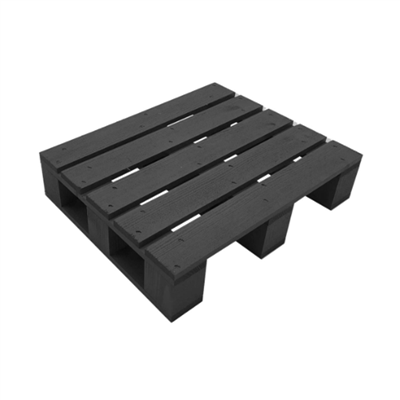
So to wrap this up: do wooden stacks attract insects? Only if they’re stored wrong, or you’re using the wrong wood type for your space. Natural wood is beautiful, eco-friendly, and way less hassle than people make it out to be when you take care of it. If you’re in the market for wooden stacks—whether it’s for a patio, garden, firewood, or a small outdoor project—we’ve got all kinds of options, from bug-resistant cedar to pressure-treated lumber for heavy-duty use. We’ll even send a quick guide with every order on how to keep your stacks dry and bug-free.
Wooden Pallets If you’ve got more questions, or you’re ready to chat about what kind of stack works best for your project, just reach out to us. No stuffy sales pitches, no confusing jargon—just straight talk about wood, bugs, and making sure you get a product that lasts.
References
- Department of Entomology and Nematology, University of California, Davis. (2022). Wood Insect Pests in Residential Structures and Outdoor Materials.
- American Wood Protection Association. (2021). Standard Practice for the Protection of Wood From Insects and Decay.
- Journal of Economic Entomology. (2020). Comparative Pest Resistance of Softwood and Hardwood Lumber for Outdoor Construction Applications.
- USDA Forest Service. (2019). Moisture Content Guidelines for Wood to Prevent Insect Infestations and Fungal Decay.
Hongyiyuan Packaging Materials (Ningbo) Co., Ltd.
With abundant experience, we are one of the most professional wooden stacks manufacturers and suppliers in China. We warmly welcome you to wholesale high quality wooden stacks in stock here from our factory. If you have any enquiry about quotation, please feel free to email us.
Address: No. 2, Danshuihong Road, Cidong Industrial Zone, Cixi City, Ningbo, Zhejiang Province.
E-mail: 13812921555@126.com
WebSite: https://www.cnhongyiyuan.com/
