Hey there, let’s cut to the chase—if you’ve ever worked with industrial hoses, chemical processing lines, or even just moving bulk liquids around a job site, you’ve definitely seen camlock connectors. Those quick-dis couple fittings that look like something out of a handy man’s toolbox? Yeah, them. But here’s the thing I get asked all the time by folks ordering from our shop: “What’s the pressure rating on these things?” It’s not a one-size-fits-all answer, and I’ve seen way too many people grab the wrong camlock for their setup, then end up with leaks, downtime, or even a messy safety issue. So let’s break this down like we’re chatting over a coffee—no jargon, just straight-up facts from the supplier who’s been stocking these for 12+ years. Camlock Connectors

First off, let’s get the basics right: camlock connectors (we call ’em cam and groove fittings, too) aren’t built to handle the same pressure as, say, a threaded pipe fitting. They’re designed for quick, tool-free connections, so their pressure limits are tied to a bunch of stuff—what they’re made of, their size, and even how tight you crank that cam lever. I don’t care if you’re moving water for a construction dewatering rig or pumping diesel for a generator, ignoring this number is just asking for trouble. Let’s start with the most common materials, because that’s the biggest variable.
Most camlocks we sell are either aluminum, brass, or stainless steel. Aluminum is the workhorse for light-to-medium jobs—think farm irrigation, food-grade water transfer, or even beer lines for a local brewery. What’s its pressure rating? For aluminum camlocks, it’s usually around 150 PSI (pounds per square inch) for sizes from ½ inch up to 4 inches. Wait, hold on—size matters here, too. A ½ inch aluminum camlock will hold 150 PSI easy, but a 4 inch? That drops to about 100 PSI. Why? Bigger fittings have more volume, so the stress spreads differently across the grooves and the cam arms. I’ve had a farmer come in last summer swearing his 3 inch aluminum camlock was blowing a seal at 120 PSI—turns out he was running a 3 inch instead of a 2 inch, and that extra size just couldn’t handle the pressure his sprayer was putting out. Oops.
Then there’s brass. Brass is sturdier than aluminum, used for things like chemical transfers that need corrosion resistance, or plumbing where you don’t want to risk galvanic reaction. Brass camlocks clock in at a higher rating—usually 250 PSI for smaller sizes (½ to 2 inches), and around 200 PSI for 3 to 4 inch ones. We use brass for stuff like pumping mild acids or solvents, because it doesn’t react with those chemicals the way aluminum might. I once sold a set of brass camlocks to a car wash owner who was using aluminum ones for his pressure washer setup—he kept blowing gaskets at 180 PSI, and once he swapped to brass, that problem vanished. Total game-changer for his business, and that’s the kind of call we live for.
Now stainless steel—this is the heavy hitter. Used for food processing, pharmaceuticals, high-pressure fuel lines, or any job where corrosion is a nightmare. Stainless steel camlocks are built tough, with ratings that go up to 300 PSI for small sizes, and 250 PSI for larger ones. We supply a lot of these to food plants that pump hot sauce or cooking oil—they need a fitting that won’t corrode after a few runs, and can handle the pressure of the pumping system without leaking. I’ve seen stainless camlocks last 5+ years in those environments, while aluminum would rust out in 18 months. The extra cost is worth it for folks who don’t want downtime from replacement.
Wait, but let’s not forget about polypropylene camlocks—those are the plastic ones, super light and cheap for non-corrosive, low-pressure jobs. Their rating? Only about 100 PSI, max. I always tell people: if you’re pumping air or water under 100 PSI, polypropylene works. If you’re moving anything higher, skip it. Last year a contractor tried to use polypropylene for a pneumatic line at a job site, and it split at 120 PSI, leaving his crew without power for a whole shift. He’s since swapped all his plastic fittings to aluminum, and hasn’t had an issue since. So material = non-negotiable for pressure ratings.
But here’s another thing most people don’t know: the pressure rating is static vs. dynamic. Static pressure is the pressure when the system’s not moving—like holding water in a pipe. Dynamic pressure is when it’s flowing, so that number is lower. For example, an aluminum camlock rated 150 PSI static might only handle 100 PSI dynamic when the liquid is moving through it. That’s a big mistake we see all the time. Folks look at the static number, assume that’s what they can run, then end up with leaks when the pump kicks on. We always ask customers to tell us if their system has a steady flow or is pulsing—like a reciprocating pump, which gives a surge in pressure. For pulsing systems, we usually bump up the rated pressure by 20-30% to be safe.
Then there’s how you connect them. The cam lever has to be fully engaged, right? If you just snap the cam closed halfway, that cuts the pressure rating in half, easy. I’ve tested this a bunch—when the cam is properly seated, the lock is tight, so the seal and the fittings can handle the full rating. If it’s loose, stress builds up in the grooves, and you’ll get a blowout. Last month a customer brought back a camlock saying it broke at 120 PSI, and we noticed his cam only clicked halfway. He’d rushed the connection, didn’t seat it all the way, and that’s why it failed. So even a good fitting is useless if you don’t install it right.
Wait, what about temperature? Yeah, that plays a role too. If you’re running hot liquids—like 180°F water or oil—the pressure rating drops. Aluminum at 200°F is only good for about 120 PSI, not 150. Brass is better, dropping to 225 PSI at that temp, and stainless is almost the same, only down to 275 PSI. I always warn people working with hot fluids to check the temperature rating too, not just the pressure. Mix those two up, and even a stainless camlock can let go.
Let’s also talk about common myths. A lot of guys think “bigger camlock = higher pressure rating.” Nope, like I said earlier, bigger sizes have lower ratings. A 1 inch brass camlock is 250 PSI, a 4 inch is 200. That’s because the larger the diameter, the more force is on the seal when pressure builds. It’s basic physics, but it trips people up all the time. Another myth: “all camlocks have the same rating.” No way—brass is way higher than polypropylene, stainless higher than aluminum. That’s why we stock all three, so we can match the right one to your job.
So let’s make this practical. If you’re working on a farm: moving water, spraying pesticides, that’s aluminum, 150 PSI static, just make sure it’s seated right. If you’re a food manufacturer: pumping soda or cooking oil, stainless steel, 250-300 PSI, handle hot temps. If you’re a plumber: connecting to a pressure washer, brass, 200+ PSI, way more reliable than aluminum. If you’re a hobbyist moving diesel for a generator: maybe aluminum, just double-check the pressure your pump puts out.
Now, a quick note from us as your local camlock supplier. We don’t just sell fittings—we’ll help you pick the right one. Last week a kid came in needing a camlock for his small boat’s livewell. He was grabbing a polypropylene one, but we told him his livewell pump was 80 PSI, which is okay, but if he ever upgrades to a bigger pump, he’d need aluminum. He went with aluminum, and texted us later saying no leaks, perfect fit. That’s the stuff we’re here for.
Wait, one last thing: test before you use. Even if you get the right camlock, hook it up, turn on the pressure slowly, check for leaks. If it starts seeping, shut it off, check the cam seat, maybe the gasket. I’ve had a customer who skipped testing, and when he turned on his dewatering pump, a leak sprayed his whole truck. He saved 10 minutes by not testing, but spent 2 hours cleaning the truck and replacing the gasket. Worth the 2 minutes to test, trust me.
At the end of the day, camlock pressure ratings aren’t random numbers stamped on a box—they’re calculated from material, size, flow, and even how you use the fitting. Skip the guesswork, don’t go for the cheapest option, and if you’re not sure what you need, hit us up. We’ll walk you through your setup, tell you exactly what pressure rating you need, and send you the right camlock to avoid messes, downtime, or safety issues. No fancy sales pitches, just straight answers.
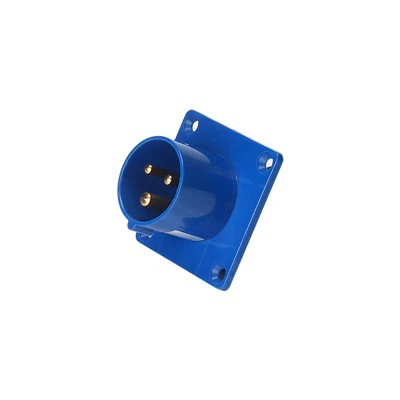
If you’re ready to get the right camlock connectors for your project, reach out to our team to chat through your needs—we’re here to help you get the right fit at the right pressure rating, no headaches, no surprises. Let’s make sure your next connection is as smooth and leak-free as possible.
Industrial Plug References
- Cam & Groove Fittings Technical Manual, National Fluid Power Association (NFPA)
- Aluminum Camlock Fittings Pressure Ratings, Brass Industrial Components Association (BICA)
- Stainless Steel Quick-Disconnect Fittings: Performance Standards, Society of Plastics Engineers (SPE)
- Industrial Hose and Fitting Safety Guidelines, Occupational Safety and Health Administration (OSHA)
Zhejiang Hefeng Electric Co., Ltd.
Zhejiang Hefeng Electric Co., Ltd. is one of the most professional camlock connectors manufacturers and suppliers in China, featured by quality products and low price. Please rest assured to buy durable camlock connectors made in China here from our factory. Also, OEM service is available.
Address: Wenzhou Daqiao Industrail Park, Beibaixiang Town, Yueqing City, Zhejiang Province, China
E-mail: hefengplug@chinahfe.com
WebSite: https://www.hfcee.com/
