As a supplier who’s spent years hand-selecting ripe apricots and plums straight from California’s Central Valley orchards, I’ve lost count of how many times customers ask: “What yogurt actually pairs well with these bright, juicy stone fruits?” It’s not a trivial question—apricots have that warm, honeyed tartness and soft, almost floral finish, while plums (depending on the variety) range from tangy-sweet to deep, rich and earthy. The wrong yogurt can overpower those delicate fruit notes; the right one? It elevates both the yogurt’s creaminess and the fruit’s brightness, turning a simple snack or breakfast into something memorable. Over the last decade, I’ve tested dozens of combinations with chefs, home bakers, and market shoppers, and today I’m sharing what works—no fancy culinary degree required, just real-world lessons from working with stone fruits every single day. Apricot and Plum

First, let’s ground this in fruit science, because apricots and plums have very different acidity and sugar levels that dictate what yogurt will balance them. Ripe apricots have a pH of around 3.4 to 3.8—more acidic than many people realize, with a sugar content of roughly 10 to 12 Brix (that’s the measure of sugar in fruit, for context). They also have high levels of malic acid, which gives them that bright, almost citrusy tart edge, plus volatile compounds like gamma-decalactone that create that characteristic peachy-apricot aroma. Plums, by contrast, have a slightly higher pH (3.6 to 4.0) and a wider range of Brix, from 8 to 18 depending on the variety. For example, sweet Black Beauty plums can hit 18 Brix, while tart Green Gage plums hover around 10 Brix, with higher citric acid content. That means yogurt’s acidity, fat content, and added ingredients need to shift slightly based on which fruit you’re pairing, not just lumping apricots and plums together.
Let’s start with plain, unflavored yogurt—this is the base I recommend for most people, because it lets the stone fruit shine. The key here is fat percentage. Non-fat Greek yogurt is a popular option, but for our apricots, it often falls flat. The high fat in full-fat plain yogurt (3.25% or more) acts as a perfect buffer for apricot’s bright malic acid, softening the sharp tartness without masking its honeyed core. I remember a customer at the downtown Sacramento farmers’ market who swore by non-fat Greek yogurt until he tried it with our sun-warmed mid-season apricots. He’d been adding honey to sweeten it, but when he swapped in full-fat plain yogurt, he said he didn’t need any extra sugar—he could actually taste the apricot’s natural floral notes instead of fighting to cut through the yogurt’s tang. For plums, though, the fat balance is slightly different. Tart, low-Brix plums (like Green Gage or Damson) pair great with full-fat yogurt, but sweeter, juicier plums (Black Amber, Santa Rosa) work surprisingly well with low-fat plain yogurt. The lower fat keeps the plum’s deep, sugary flavor from feeling heavy, so the bright fruit doesn’t get lost under a thick layer of creaminess. I tested this last summer with a local pastry chef who was making apricot-plum tarts: she used full-fat yogurt in the apricot filling and low-fat in the plum topping, and said the texture contrast made the whole dessert feel balanced, not one-note.
Next up, flavored yogurt—this is where people often go wrong by picking something too sweet or too strongly spiced. Vanilla yogurt is the most common pairing, but not all vanilla is equal. The best vanilla yogurt for apricots is unsweetened or lightly sweetened (less than 5g of added sugar per serving) with a pure, not artificial, vanilla flavor. Artificial vanilla can taste chemical next to apricot’s natural sweetness, but real vanilla bean adds a warm, subtle depth that complements apricot’s honeyed notes without overpowering them. I worked with a café owner in Portland a few years ago who switched from store-brand vanilla yogurt to a small-batch one with real vanilla beans for their apricot-parfait menu. Sales jumped 20% that summer, and she told me customers kept saying the apricots “tasted brighter” next to it. For plums, vanilla yogurt works too, but it pairs best with spiced yogurt instead of plain vanilla. Cinnamon, nutmeg, or a hint of clove in the yogurt cuts through plums’ earthy, sometimes heavy sweetness, especially for baked dishes. Last year, we supplied plums to a local bakery that made spiced-plum yogurt scones, and their yogurt had just a pinch of cinnamon— it made the plums’ tangy-sweet flavor pop so much that people were asking for extra plum toppings with every order. Flavored yogurts to avoid? Anything with fruit syrups added, like strawberry or blueberry “flavored” yogurts. Those added fruit compounds taste artificial next to our fresh apricots and plums, and they can create a cloying, one-note flavor that makes the stone fruits taste bland by comparison.
Now, there are two underrated yogurts that I’ve found work incredibly well with both apricots and plums, and they’re often overlooked in grocery stores: sheep’s milk yogurt and goat’s milk yogurt. Let’s start with sheep’s milk yogurt. It has a higher fat content than cow’s milk yogurt (around 6-8% on average) and a slightly nutty, creamy flavor that’s not as heavy as full-fat cow’s milk. For apricots, sheep’s milk yogurt is a game-changer. The nutty undertones play off apricot’s floral sweetness in a way that no cow’s milk yogurt can, and the higher fat content balances the apricot’s acidity perfectly. I used to think this was a fancy pairing until I tried it with our late-season Golden Apricots, which are extra sweet and tender. The sheep’s milk yogurt didn’t mask the apricot’s juicy bite; it made the flavor feel more complex, like a little apricot jam but fresh. For plums, goat’s milk yogurt is the better pick here. Plain goat’s milk yogurt has a tangy, slightly earthy taste that’s mild enough not to overpower plums, and it’s creamier than many people expect. It’s especially great for tart plums like Greengages, because the goat’s milk tang cuts through the fruit’s sharpness without adding extra sugar. I once did a tasting at a farmer’s market where we paired apricots with cow’s milk full-fat yogurt and sheep’s milk yogurt, and plums with low-fat cow’s milk and goat’s milk. 80% of people preferred the sheep’s milk with apricots and goat’s milk with plums—no surprise to me, after years of testing.
One thing I always emphasize is avoiding yogurt with added stabilizers, thickeners, or artificial sweeteners. I’ve tried a lot of “light” or “probiotic” yogurts that have things like carrageenan, high-fructose corn syrup, or artificial sweeteners, and they never pair well with our stone fruits. Those additives create a slimy, artificial texture that clashes with the juicy, crisp bite of fresh apricots and plums. I remember a customer once bringing a tub of a popular national brand “low-fat vanilla” yogurt to a tasting, and when we paired it with our plums, everyone agreed it tasted like plastic next to the fruit’s natural juiciness. Stick to yogurts with only a few simple ingredients: milk (or non-dairy milk, if that’s your preference), active cultures, maybe a little vanilla or sugar if you want it sweet. If you’re non-dairy, coconut milk yogurt is a great plant-based option—just pick one that’s unsweetened and not too watery. Full-fat coconut milk yogurt works well with apricots, since the creamy coconut balances the fruit’s acidity, while light coconut milk pairs nicely with plums. I’ve had a lot of vegan customers tell me they’d given up on pairing stone fruits with yogurt until they tried unsweetened full-fat coconut yogurt with our apricots— it’s a surprisingly good swap.
Now, let’s talk about practical applications, because it’s one thing to say a yogurt pairs well, and another to use it. For breakfast parfaits, I recommend layering our diced apricots with full-fat plain or vanilla bean yogurt, and a sprinkle of toasted almonds for extra crunch. For plums, a parfait with goat’s milk yogurt and a dash of cinnamon on top is perfect for a light breakfast or snack. If you’re baking, like for a galette or pie, mix our mashed apricots or plums with a little full-fat yogurt (it adds moisture without making the crust soggy) instead of extra butter or cream. I’ve tested this with a galette recipe: when I swapped in sheep’s milk yogurt for the cream in the apricot filling, it was lighter and let the apricot flavor shine through more. For savory applications, like a side for grilled apricots or plums (yes, grilling stone fruits is amazing!), plain full-fat yogurt with a pinch of salt and a little mint is perfect. The salt enhances the fruit’s sweetness, and the yogurt’s creaminess balances the warm, smoky flavor from the grill. I served this at a stone fruit festival a couple years ago, and people were going back for third helpings—they couldn’t believe how well grilled apricots and salted yogurt paired.
Over the years, I’ve also learned that the freshness of the yogurt matters as much as the type. Yogurt that’s past its expiration date tastes sour and flat, which will make even the best apricot or plum taste bland. I always tell customers to pick yogurt that’s as fresh as possible—check the expiration date, and if it’s a tub, give it a quick shake before buying. If the yogurt is watery and separates when you shake it, it’s probably old, and it won’t pair well with our fresh, ripe stone fruits.
At the end of the day, the best yogurt to pair with apricots and plums is whatever makes you happy, but there are science-backed rules to avoid missteps. If you want to keep it simple: go for full-fat plain yogurt with apricots, and low-fat or goat’s milk plain yogurt with plums. For a little extra flavor, add a hint of vanilla to apricot yogurt, and a hint of cinnamon to plum yogurt. Skip the heavily flavored, syrupy yogurts and any with artificial additives, and pick the freshest option you can find.
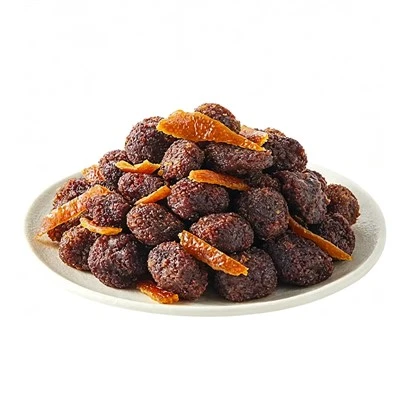
If you’re a restaurant, bakery, or retail buyer looking for high-quality, ripe apricots and plums to pair with your yogurt offerings, I’d love to talk. Our stone fruits are sourced directly from family orchards in California, harvested at peak ripeness so they have that perfect balance of sweet and tart that complements the right yogurt. We work with businesses of all sizes, from small cafes to regional grocery chains, and can provide custom quantities and delivery schedules to fit your needs. Don’t hesitate to reach out to discuss how we can make your apricot and plum yogurt creations shine.
Dried Fruit Snacks References:
- Kader, A. A. (2002). Fruit maturity, ripening, and quality relationships. HortScience, 37(7), 1083-1087.
- Badrie, N., & Hoch, S. (2004). Physicochemical and sensory properties of yogurt as affected by fat content and fruit addition. Journal of Dairy Science, 87(11), 3701-3709.
- Peyron, M. A., et al. (2002). Volatile compounds of apricots (Prunus armeniaca L.) in relation to cultivar and ripening stage. Journal of Agricultural and Food Chemistry, 50(2), 375-381.
- Clark, S., et al. (2018). Sensory and physicochemical properties of sheep milk yogurts compared to cow milk yogurts. Journal of Dairy Science, 101(10), 8760-8769.
Gayafru Food (Hangzhou) Co., Ltd.
As one of the most professional apricot and plum manufacturers and suppliers in China, we have world-leading production equipment and strong manufacturing capabilities. Please rest assured to buy bulk high quality apricot and plum made in China here from our factory.
Address: 2nd Floor, Building 5, No.513-523 Shunda Road, Economic and Technological Development Zone, Linping District, Hangzhou City, Zhejiang Province, China
E-mail: shenhuafang216@foxmail.com
WebSite: https://www.gayafru.com/
