If you’ve ever worked in construction, infrastructure, or industrial manufacturing, chances are you’ve heard the term “BOP Net” thrown around in planning meetings, but you might not have a clear picture of what it actually means—or more importantly, what onboarding looks like when partnering with a reliable BOP Net supplier. As someone who’s spent the last 12 years sourcing, testing, and delivering BOP Net solutions to project teams across North America, I’ve seen firsthand how a smooth onboarding process can make or break a project’s timeline, budget, and long-term performance. This post is designed to pull back the curtain on exactly what the BOP Net onboarding process entails, why it matters, and what you can expect when working with a supplier that prioritizes transparency and quality. BOP Net
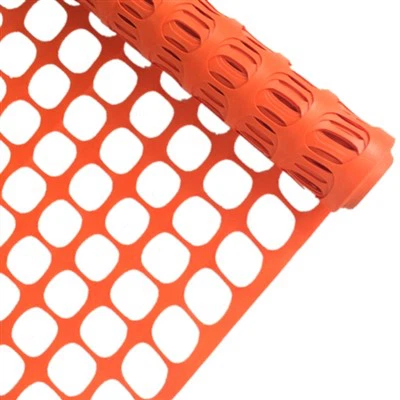
First, let’s start with the basics to make sure we’re all on the same page. BOP Net, short for Balance of Plant Net, refers to the network of non-process-related components that support a power plant, refinery, or large industrial facility’s core operations. Think of it as the “backbone” that keeps everything running smoothly: electrical conduits, structural framing, cable trays, safety barriers, and access walkways that aren’t part of the primary power generation or processing system. Unlike process piping or turbine equipment, BOP Net components are often overlooked, but their failure to perform can stop a whole project in its tracks. That’s why onboarding for a BOP Net supplier isn’t just a one-time paperwork step—it’s a collaborative journey that aligns your project’s unique needs with the supplier’s ability to deliver on time, to spec, and within budget.
The first step in our onboarding process is what we call “Needs Alignment & Initial Consultation.” Too many suppliers jump straight to quoting products without taking the time to understand a project’s specific constraints, and that’s where mistakes start. When a potential client reaches out to our team, we don’t send a generic price list right away. Instead, we schedule a 30-minute call (or an in-person meeting, if the project is local) to dig into the details. We ask questions like: What type of facility are you working on? Is this a new build, a retrofit, or an expansion? What are the key timeline milestones—especially the critical path for BOP installation? Do you have specific material requirements, like fire-rated components, corrosion resistance for coastal sites, or compliance with ISO or OSHA standards? We also work to identify pain points: have you dealt with BOP delays on past projects, or cost overruns that cut into your profit margins? For example, last year we worked with a construction manager on a solar thermal plant in Arizona that had faced repeated delays from their previous BOP supplier, who didn’t account for the extreme heat’s impact on material delivery times. During our initial consultation, we flagged that we had a regional warehouse in Phoenix stocked with heat-stabilized steel components, which eliminated 2 weeks of shipping time and aligned perfectly with their critical path. This step isn’t about selling; it’s about making sure we can even deliver what they need before we move forward.
Once we’ve confirmed we’re a good fit, the second phase is “Customized Solution Development & Quotation.” Every BOP Net is not one-size-fits-all. A refinery in Houston has very different needs than a wind farm in Iowa, and a retrofit project has different requirements than a greenfield build. During this phase, our engineering team takes the project’s specs from the initial consultation and turns them into a tailored proposal. We don’t just list products and prices—we break down the scope of work, material specifications, delivery schedules, and any value-added services, like on-site installation support or post-delivery testing. For example, if a client is working on a chemical plant that requires BOP components compatible with corrosive chemicals, we’ll outline the specific coating standards we use (like epoxy-phenolic coatings) and provide third-party test results to prove their durability. We also include a detailed timeline: when we’ll receive any required raw materials, when production will take place, when components will ship, and when they’re expected to arrive on-site. For time-sensitive projects, we’ll even build in buffer days for potential disruptions, like weather-related shipping delays or raw material shortages, which we’ve learned are common in industrial construction. It’s important to note that this quotation is fully transparent—no hidden fees, no last-minute price hikes. We’ve found that clients appreciate this level of clarity because it builds trust and eliminates the stress of unexpected costs.
The third step in onboarding is “Compliance & Documentation Verification.” BOP Net components have to meet strict industry standards to ensure safety and performance, and that means a lot of paperwork. As a supplier, our job is to make this process as easy as possible for our clients, because we know that missing a compliance deadline can delay an entire project. During this phase, we work to gather all necessary documentation: material test reports, ISO 9001 quality certificates, OSHA safety compliance paperwork, and any project-specific certifications required by the client or regulatory body. For example, if a project is located in California, we ensure all components meet the state’s strict fire safety standards for industrial structures. We also provide a Bill of Materials (BOM) that’s fully aligned with the project’s engineering drawings, so clients can cross-reference every part to make sure it matches their design. Last quarter, we worked with a engineering firm on a nuclear power plant expansion that required ASME N-stamp certification for BOP structural components. Our team compiled all the required documentation in 5 business days, compared to the industry average of 14, which helped the client stay on track for their regulatory audit. This step is non-negotiable for us—we never ship a product until all compliance checks are complete, because cutting corners here puts everyone’s project at risk.
Once the documentation is approved, the next phase is “Order Confirmation & Production Scheduling.” This is where the project moves from planning to action, but it’s not just a simple “click to buy” step. We work with clients to finalize the order details, including any special requests—like custom sizes for cable trays, or packaging that’s labeled for easy on-site inventory management. For example, some clients work with just-in-time (JIT) delivery models, so we’ll schedule production to align with their on-site storage capacity, making sure components arrive exactly when they’re needed, not before. Our production team uses a cloud-based tracking system that clients can access in real time, so they can see exactly where their order is in the production process: raw material sourcing, cutting, coating, quality inspection, and packaging. This transparency is a big part of our onboarding process—we don’t keep our clients in the dark about timelines. If there’s any unexpected delay, we alert them immediately and work together to adjust the schedule, whether that means rerouting a shipment or adjusting production priorities. We also provide a detailed delivery timeline at this stage, including carrier information, tracking numbers, and estimated arrival windows.
The fifth, and often most critical, step in BOP Net onboarding is “On-Site Support & Kickoff Coordination.” Many clients don’t realize that a good supplier doesn’t just drop off components and leave. For BOP Net installation, especially on large projects, on-site support can make a huge difference. During this phase, we coordinate with the client’s site manager to schedule a pre-delivery walkthrough, where we confirm that on-site storage is ready (climate-controlled, if needed, for sensitive components), that loading docks are accessible, and that there’s a plan for offloading. We also provide on-site support during the first delivery, where our team can help with inventory checks, answer questions about component installation, and address any immediate concerns. For example, last year a client working on a biomass power plant had a question about how to properly install their safety barriers, which are part of the BOP Net. Our on-site support team was on location within 2 business days, walked the installation crew through the process, and ensured everything was done correctly—saving the client from rework and potential safety issues. This step is also where we formalize any long-term support agreements, like access to our technical team for future project questions or maintenance support.
After delivery, there’s a final phase that many suppliers skip, but we consider a key part of onboarding: “Post-Delivery Review & Relationship Building.” Onboarding doesn’t end when the components are unloaded. We follow up with clients 2 weeks after delivery to make sure everything arrived in good condition, that there were no discrepancies in the order, and that the installation process is going smoothly. We also ask for feedback on the onboarding process itself—what worked, what could be better, because we’re always looking to improve. This isn’t just about customer service; it’s about building long-term partnerships. Many of our current clients have been working with us for 5+ years, and that relationship starts with a strong onboarding process. For example, a construction company that first worked with us on a small solar farm in 2018 now relies on us for all their BOP Net needs across 12 different projects in the Midwest, because they trust that our process is reliable and our products hold up over time.
Now, you might be wondering: why does this specific onboarding process matter so much for BOP Net, specifically? Unlike primary plant components that have dedicated suppliers and strict lead times, BOP Net is often fragmented across multiple vendors, leading to misalignment, delays, and quality issues. We’ve seen projects where a miscommunicated delivery date for a single cable tray caused a 3-week delay in installing all electrical components, which pushed the whole plant’s launch date back and cost the client hundreds of thousands of dollars in penalties. A structured onboarding process eliminates that chaos by aligning all stakeholders, from the client’s engineering team to our production and logistics teams, on the same goals. It also ensures that every BOP component meets the specific needs of the project, not just a generic specification, which reduces the risk of premature failure or non-compliance down the line.
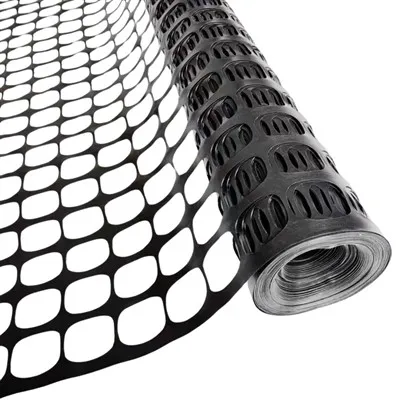
As someone who’s been in the BOP Net industry for over a decade, I can say that the biggest mistake potential clients make is treating onboarding as a minor administrative step, rather than a collaborative process. When you partner with a supplier that skips initial needs assessment, cuts corners on documentation, or offers no on-site support, you’re setting your project up for avoidable delays and costs. Our process is designed to be flexible—we adjust each step based on the project’s size, timeline, and specific requirements, because we know that no two BOP Net projects are the same.
Plastic Garden Netting If you’re currently planning a construction, industrial, or energy project and need a reliable BOP Net supplier to streamline your onboarding process, we’re here to help. We’ve worked on projects ranging from small commercial facilities to large-scale power plants, and we have the expertise to tailor our process to your unique needs. Don’t let a complicated onboarding process derail your project—reach out to our team today to discuss your requirements, and we’ll walk you through every step of the BOP Net onboarding process to ensure a smooth, successful partnership.
References
- Construction Industry Institute. (2020). BOP Project Management Best Practices. University of Texas at Austin.
- International Organization for Standardization. (2019). ISO 14726:2019, Petroleum, petrochemical and natural gas industries — Balance of plant (BOP) for process plant design. ISO.
- Occupational Safety and Health Administration. (2021). Safety Standards for Industrial BOP Net Components. U.S. Department of Labor.
- Energy Reliability Council of Texas. (2022). BOP Supply Chain Resilience in Power Generation Projects. ERCOT.
- Industrial Fabrics Association International. (2021). Corrosion Resistance Standards for BOP Net Materials. IFAI.
Shaoxing Yongte Plastics Co., Ltd.
We are one of the most reliable bop net manufacturers and suppliers in China, specialized in providing high quality customized products. We warmly welcome you to wholesale discount bop net for sale here from our factory. Contact us for pricelist and free sample.
Address: INDUSTRIAL PARK, LIZHU TOWN, KEQIAO DISTRICT, SHAOXING CITY, ZHEJIANG PROVINCE
E-mail: support@sxxyongte.com.cn
WebSite: https://www.fenceplastic.com/
