Hey there, ever wondered what the heck a diesel centrifugal pump is, and why it’s the unsung workhorse behind so many jobs that keep the world turning? Let me break this down straight—no fancy engineering jargon that makes your eyes cross. I’m not some textbook; I’m a guy who’s been selling and troubleshooting these bad boys for years, so I know exactly what works when. Diesel Centrifugal Pump
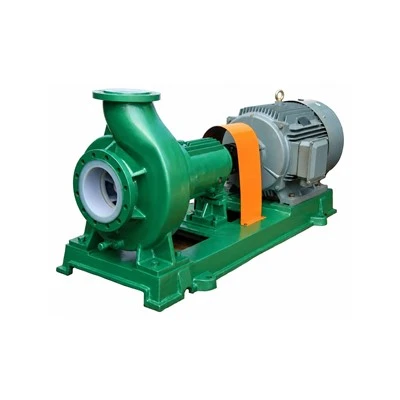
First, let’s split it into two parts that make sense: centrifugal pumps, and then the diesel part that makes them different. A centrifugal pump, at its core, is a fluid mover—right? It takes liquid (water, fuel, slurry, whatever you need to shift) and shoves it from Point A to Point B, using centrifugal force. Here’s how it works super simply: there’s an impeller—this curved, fan-looking thing inside a sealed casing. When the pump turns, that impeller spins super fast, flinging the liquid out toward the edges of the casing. That fling creates low pressure in the middle, which sucks more liquid in to replace it, and boom—constant flow.
Now, add the diesel part. Instead of hooking it up to an electric motor (which needs power outlets, generators, or grid juice), it’s powered by a diesel engine. That’s the game-changer. I’ve seen so many folks go with electric pumps for fixed jobs, but if you’re off-grid, remote, or just need something that won’t die when the power cuts out? Diesel is non-negotiable.
Let’s talk real-world use cases—because I don’t care about theory if it doesn’t actually help you. I sell these pumps for all kinds of gigs: construction sites, first off. When you’re digging a foundation, you gotta dewater the hole fast—no time waiting for a generator to fire up if the power’s out. A diesel centrifugal pump can pull up thousands of gallons of groundwater an hour, even from 20 feet down, and shoot it 100 feet away to a slurry pit. Then there’s agriculture—farmers use ’em to irrigate fields, drain ponds, move fuel to tractors, even clean out livestock barns. I had a local farmer last month tell me his old electric pump died during a storm when the grid went down, and his crops almost rotted. Swapped it for a diesel centrifugal pump I sold him, and he’s been raving ever since.
Another big one: mining and industrial cleanup. If there’s a spill, or a sump tank full of toxic sludge, you need something rugged. Diesel centrifugal pumps are built tough—they can handle not just clean water, but stuff with small solids, mud, even light chemicals (as long as you get the right model for your fluid). No delicate parts that’ll break if a rock gets in there. And emergency response—flooding after a hurricane, that’s where these things shine. Power’s out, roads are blocked, you can’t bring in a big grid-powered rig, but you can haul a diesel pump on a flatbed truck, fire it up in 30 seconds, and start pulling water out of basements or streets.
Wait, let’s clear up a common mix-up: centrifugal vs. positive displacement pumps. A lot of new customers ask me why they shouldn’t just get a piston pump or something else. Here’s the difference: centrifugal pumps are all about flow rate—how much liquid you move per minute. They’re great for high volume, low to medium pressure jobs. Positive displacement pumps are better for thick, viscous stuff like oil, where you need to squeeze it through. But 9 times out of 10, if you need to move a lot of liquid fast (water, slurry, pond water, irrigation), centrifugal is the way to go, and diesel just makes it mobile and independent.
Now, why go with a diesel-powered model specifically, instead of a gas one? Gas engines are cheaper upfront, but they’re finicky—need more maintenance, don’t run as long on a tank, and are way more dangerous around fumes or in closed spaces. I had a guy last year buy a gas pump for a basement flood and end up with carbon monoxide poisoning because he ran it in a garage. Diesel engines, on the other hand, are built for heavy-duty use. They last 10 times longer, burn less fuel per hour, and don’t have that explosive fume issue—way safer for most outdoor jobs, and even some semi-enclosed spaces if you have ventilation. Sure, they’re a bit pricier at first, but the lifespan and lower operating costs make ’em worth it long-term.
Let’s get into the nitty-gritty of how these pumps are built, so you know what to look for. The main parts are: the diesel engine (obviously), the pump end (the impeller and casing), a shaft connecting the engine to the impeller, a priming system—wait, priming is important! Centrifugal pumps don’t work unless they’re full of liquid, right? If the casing is empty, the impeller just spins air, no centrifugal force. So most diesel centrifugal pumps have a manual or automatic priming pump to get the liquid in before you start—no more fighting with priming every time.
Also, impeller types. I sell three main ones for different jobs: closed impellers for clean water (like irrigation), open impellers for stuff with solids (mud, slurry, construction dewatering), and semi-open for in-between. If you pick the wrong impeller, you’ll clog it all the time. I always ask customers what exactly they’re pumping before I recommend a model—no point in selling a closed impeller pump to someone moving manure, that’s just gonna end in a call at 2 a.m. when it’s clogged.
What about maintenance? I get asked this a lot, like “are these pumps gonna be high upkeep?” Honestly, no—if you do the basics. Change the diesel filter and oil every 50 hours of run time, check the impeller for debris after each big job, and make sure the priming system is working once a month. I’ve had pumps I sold 10 years ago still going strong because the owner did those simple things. The worst mistake people make is neglecting the impeller—let a rock or sludge build up there, and it’ll throw off the balance, damage the engine, and stop working.
Now, let’s talk about common mistakes buyers make. First, undersizing the pump. I had a construction company come to me once, saying their old pump was too slow to dewater a 30-foot hole. They bought a pump with half the flow rate because it was cheaper, and ended up taking three times as long, delaying their project. Always calculate how much liquid you need to move, how far, and how deep—tell me that, and I’ll hook you up with the right size. Second, not considering portability. Some jobs need a skid-mounted pump that you can haul with a truck, others need a portable one with handles to carry up stairs. I sell both, so I match the pump to how you’re moving it. Third, ignoring head pressure. Head is how far you can push the liquid up or horizontally. If you need to shoot water 150 feet uphill, you can’t use a pump rated for 50 feet—trust me, I’ve seen that go wrong.
Let’s switch to a real example from my own business, because that’s the stuff you won’t read in a textbook. A few months back, a municipal water department hit me up. They needed a pump to drain a old reservoir for repairs—job was off-grid, no power, and they had to move water 2 miles away. They were gonna rent a pump, but after checking the rental rates, it was cheaper to buy a diesel centrifugal pump from me outright, since they use it a couple times a year. We picked a skid-mounted 4-inch model, 500 gallons per minute, diesel engine that runs 12 hours on a single tank. They’ve used it three times now, and last month they called to say it was still running perfect—no issues, no maintenance costs beyond the regular oil change. That’s exactly what this pump is for.
Another example: a fire department in a rural area. They don’t have hydrants everywhere, so they need to draft water from ponds or creeks (drafting is when the pump pulls water from a source below it, not above—super important for firefighters). We sold them a portable diesel centrifugal pump that can draft 25 feet, which is perfect for their area. During a brush fire last summer, they hooked it up to a pond, and had water shooting onto the fire line in 2 minutes flat. Saved a few homes, they said. That’s the impact this stuff has.
Wait, let’s address a question I get all the time: can these pumps run on different fuels? Some models can run on biodiesel blends, which is a big plus for farmers or businesses looking to cut emissions. Most new models I sell are compatible with B20 (20% biodiesel, 80% diesel), and a few can do B100 too. Just make sure you tell me if you’re using biodiesel, so I can get you the right engine filters and seals to handle it.
What about downsides? No machine is perfect. Diesel centrifugal pumps are heavier than electric ones, so if you need to carry it far, you might need a small trailer or truck. They do produce emissions, so if you’re running it in a closed space, you need proper ventilation. And if you don’t maintain ’em, they’ll break down fast. But for the jobs where they excel, those downsides are negligible.
Now, why would you buy from a supplier like me, instead of going to a big box store or a random online shop? I don’t just sell a pump and walk away. I help you pick the right one, deliver it (or set it up if you’re local), and give you free maintenance tips. I’ve been in this business 15 years, so I know the ins and outs of every model I sell. If you have a problem at 10 p.m. on a Saturday, I’m the guy you can call to walk you through fixing it, not a call center in another country that has no clue about pumps. I also offer parts and service, so when you need a new impeller or filter, you don’t have to hunt around.
Let me wrap this up straight. A diesel centrifugal pump is basically a rugged, mobile liquid mover that doesn’t need grid power. It’s built for heavy-duty, off-grid jobs where speed, reliability, and portability matter more than saving a few bucks upfront. It’s used for construction dewatering, agriculture irrigation, firefighting, emergency flooding response, industrial cleanup, and more. It’s not the right pick for every job—if you’re moving small amounts of clean water in a fixed spot, electric might be cheaper—but for the 80% of jobs where you need to move a lot of liquid, fast, without power? This is your guy.
If you’re in the market for one, or just have questions about which model fits your needs, hit me up to talk. I can walk you through specs, send you more info, or even set up a demo if you’re local. No pressure, no sales pitch that feels like a hard sell—just me helping you get the right pump for your job.
Positive Displacement Pump References
- Engineering ToolBox. (n.d.). Centrifugal Pumps: Principles and Applications. Retrieved from relevant technical engineering databases
- Hydraulic Institute. (2021). Centrifugal Pump Selection Guide for Industrial and Agricultural Use.
- U.S. Environmental Protection Agency. (2022). Emergency De-watering Pumps: Diesel vs. Electric for Flood Response.
Zhejiang Kaicheng Pump Valve Co., Ltd.
Zhejiang Kaicheng Pump Valve Co., Ltd. is one of the most professional diesel centrifugal pump manufacturers and suppliers in China, also supports customized service. We warmly welcome you to buy advanced diesel centrifugal pump made in China here and get quotation from our factory. For price consultation, contact us.
Address: No.501 Zhangbao North Road, Dong ou Industrial Park, Oubei town, Yongjia, Zhejiang Province, China
E-mail: sales@cnkcmp.com
WebSite: https://www.kcmpumps.com/
