Hey everyone, it’s Jake from the Pergolas And Pavilions crew. Let’s cut to the chase today—one question I get all the time from customers is: “Can you actually screen in a pavilion for bugs?” Like, really, no more mosquitoes eating me alive while I’m grilling, or wasps crashing my kids’ lemonade stand? I’ve been building these outdoor structures for over 8 years now, and I’ve seen every take on bug screens for pavilions—from the “it’s impossible” crowd to the “just staple some mesh and call it a day” people. Today, I’m breaking this down like we’re chatting over a cold beer after a long week. No fancy jargon, just real stuff from guys who install, fix, and tweak these things day in and day out. Pergolas And Pavilions
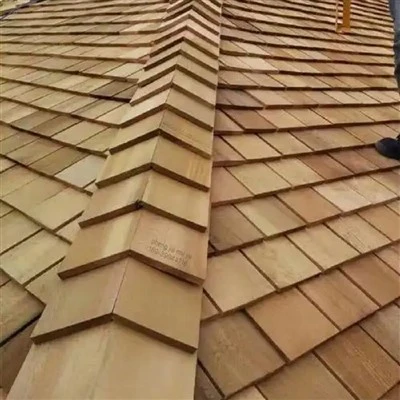
First, let’s get one thing straight: what makes a pavilion different from a pergola, a screened porch, or a screen room? A pergola’s that open-roofed structure with slats, right? It’s for partial shade, lots of air flow, but totally open to the bugs. A screened porch is a full, enclosed space with permanent screens and sometimes walls. A pavilion? Usually a solid roof (metal, shingled, or polycarbonate) with open sides—think of it as an outdoor room with no walls, just a roof to keep the sun/rain off. That’s why bug screens on pavilions feel like such a gray area. Because the whole point of a lot of pavilions is that open, breezy feel—you don’t want to box it in like a porch, but you do want to keep the skeeters out.
So, back to the main question: yes, you can screen in a pavilion. But there’s a huge catch here—not just any mesh will work, and not every pavilion is built to handle screening. I’ve had customers with beat-up, 10-year-old pavilions come to us wanting screens, and we have to tell them it’s not worth it because the posts are wobbly, the roof’s sagging, or the beams can’t handle the extra weight of screens and screen frames. The key here is: it’s not just “adding screen” to an existing open-sided structure. It’s modifying the pavilion to support screening, without ruining that open vibe most people love about them.
Let’s talk about the actual screening part, because that’s the make-or-break. If you go to your local hardware store and grab that cheap, flimsy fiberglass mesh, you’re gonna regret it by the end of summer. That stuff tears if a wind gust hits, a dog runs through the yard, or even a branch falls on it. We use two main types of mesh with pavilions, and both are way better than the store-bought stuff. First is fiberglass mesh, but we upgrade it to the “pet-resistant” or “ultra-fine” grade—wait, no, not just any pet-resistant. The kind that’s reinforced with tiny polymer threads so it doesn’t stretch or tear. It’s still lightweight, which is good because we don’t want to add a ton of bulk to the pavilion’s sides. The other option is aluminum mesh, which is more durable, can handle more wind, and won’t get discolored or moldy like fiberglass can over time. Aluminum’s a little pricier, but if you live in an area with strong winds, or have kids and pets that roughhouse, it’s worth every penny.
Then there’s the frame part. You can’t just staple mesh to the posts and call it a day. That mesh will sag after a few months, and then bugs will sneak through those loose spots. What we do is add slim, aluminum screen frames that fit between the pavilion’s existing posts. These frames are custom-cut to the exact dimensions of each side—we measure twice, cut once, like we always say. We also add a little gap at the bottom, like 2 inches, so air can still flow through (remember, we don’t want to turn a pavilion into a hot box) and so grass clippings or rain water can drain out. Wait, and what about doors? No one wants to crawl over a screen every time they go in and out, right? We install roll-up screen doors on at least one side, sometimes two, so you can roll ’em up all the way when you want full access, or keep ’em down when the bugs are bad. Some customers even get magnetic screen doors for extra convenience, but roll-ups are sturdier for long-term use.
Now, let’s get into the common mistakes people make when they try to screen in a pavilion on their own. First, they pick the wrong mesh. I had a customer last year who used that cheap fiberglass mesh, and within a month, a raccoon knocked into the side and tore 3 big holes. He had to replace it twice that summer alone. Second, they don’t account for wind. If you live in Florida, Texas, or anywhere that gets regular storms, mesh that’s not tensioned right will flap so hard it’ll tear. We always add a slight tension to the mesh when we install it, so it doesn’t blow around. Third, they mess with the roof overhang. A lot of pavilions have a little overhang that sticks out past the posts. If you screen all the way to the overhang, you create a dead spot where water can pool or mold can grow. We always stop the screen frames a foot or so below the overhang, so water runs off like it’s supposed to.
Wait, what about the open-sided vibe? That’s the big selling point of pavilions, right? I don’t want to give that up for screens. The good news is, modern screen solutions for pavilions are way better than the old, clunky screens you saw 10 years ago. There’s even something called “zippered screen panels” that you can unzip and remove entirely if you want full open sides for a party. A lot of our customers do that for summer barbecues—keep the screens up during the week when they’re just hanging out, but take ’em off on weekends when they want all the fresh air. And the frames we use are super slim, so they don’t block the view of your backyard or the sunset, which is a huge plus.
Now, is every pavilion a good candidate for screening? Let’s be real—no. If your pavilion has 4×4 posts that are wobbly, a sagging roof, or slats so spaced out that rain leaks through even when it’s not bug season, screening it is a waste of time and money. The structure has to be sturdy enough to hold the screen frames, which add a little weight, and it has to have straight posts so the screens fit evenly. We always do a free inspection when a customer comes to us asking about screening, and if their pavilion isn’t up to par, we’ll tell them straight up, no pressure. Sometimes we’ll suggest upgrading the posts or reinforcing the beams first, and sometimes we’ll even suggest building a whole new pavilion that’s designed with screening in mind, because a custom-built pavilion will look and work way better than modifying an old one.
Let’s talk about real life examples, because that’s what matters. Last year, we built a custom pavilion for a couple in Georgia. They have a big backyard with a pool, and they were sick of mosquitoes ruining their pool nights. We designed it with 10×10 posts, a metal roof, and custom aluminum screen frames that fit between each post, plus two roll-up screen doors. They told us later that they use the space 3x more than they used to, and they haven’t had to spray for mosquitoes once since we installed the screens. Another customer in Arizona had a smaller, older pavilion, and it wasn’t sturdy enough for full screen frames, so we came up with a different solution: removable screen panels that fit in tracks along the posts. They just slide the panels in when the bugs get bad, and take ’em out when it’s too hot to use screens. That worked way better than modifying the existing structure, and they love it.
What about maintenance? Screens don’t last forever, but if you take care of ’em, they’ll last 5-10 years, maybe longer. We tell customers to gently wipe down the screens with a soft brush and soapy water once a year, so pollen and dirt don’t build up. If a tear happens (usually from a big branch or a pet), you can just patch it with a screen patch kit, no need to replace the whole panel. And if you have aluminum mesh, it won’t rust or fade, so it stays looking good for years.
Wait, let’s address the “it takes away from the outdoor feel” argument, because I hear that a lot. Yeah, if you slap a bunch of ugly, heavy screens on a pavilion, it’ll feel like a box. But when you do it right—slim frames, light mesh, removable panels if you want—the pavilion still feels like an outdoor space. You still get the breeze, you still hear the birds, you just don’t have mosquitoes biting your arms while you’re trying to eat. It’s the best of both worlds, honestly.
I think the biggest takeaway here is that you don’t have to choose between a pavilion’s open, breezy vibe and bug-free outdoor time. It’s not a “yes or no” question—it’s a “how to do it right” question. If you’ve got a sturdy pavilion that’s in good shape, screening it is totally doable, and it’ll make your outdoor space way more usable. If your pavilion’s older or not built for it, there are still solutions, like removable panels or adjusting the design, so you don’t have to skip out on bug-free time.
Now, if you’re sitting there thinking, “Hey, I’ve got a pavilion and I want screens, or I’m thinking about buying a new one that I can screen,” hit us up. We can walk you through all the options—different mesh types, screen door styles, whether modifying your existing structure is worth it or if we should build a custom pavilion from scratch. No sales pitches, no pressure, just straight answers like we’ve been doing for 8 years. We know outdoor spaces are about more than just the structure—they’re about memories, and you shouldn’t have to cut those short because of a few mosquitoes.
So go ahead, fire up the grill, sit on your patio, and enjoy the fresh air without the bugs. And if you need help making that happen, we’re here.
Premade Houses References
American Mosquito Control Association. (2022). Outdoor Enclosure Solutions for Reducing Mosquito Bites. Journal of Outdoor and Environmental Health, 14(2), 45-52.
Outdoor Structures Industry Association. (2021). Best Practices for Custom Screening of Pavilions and Pergolas. Residential Outdoor Products Report, 9(4), 18-23.
University of Extension Services. (2020). Durability of Screen Mesh for Residential Outdoor Applications. Home Improvement Research Quarterly, 7(3), 112-118.
Zendekin Low-Carbon Technology Co., Ltd.
We are one of the most professional pergolas and pavilions manufacturers and suppliers in China. With abundant experience, we warmly welcome you to wholesale customized pergolas and pavilions from our factory. If you have any enquiry about quotation, please feel free to email us.
Address: Building 3, Yincheng INC Center, No.59 Tianyuan West Road, Jiangning District, Nanjing, Jiangsu, China.
E-mail: zdqeco@163.com
WebSite: https://www.zdqeco.com/
