Let’s talk about something that’s plagued tennis players, gym rats, and office workers alike: tennis elbow. I’ve spent the better part of the last decade shipping wrist wraps out to thousands of people who come to me with the same frustrated question: “Will these actually help my tennis elbow, or am I just wasting money on another gimmick?” Wrist Wraps

I’m not a doctor, and I don’t pretend to be one. I started my wrist wrap company after tearing a tendon in my right forearm during a particularly brutal weekend of pickup tennis, and found that every over-the-counter fix either felt like it did nothing or made my range of movement so bad I couldn’t tie my shoes. Since then, I’ve worked with physical therapists, tested dozens of wrap designs, and heard every story from weekend warriors to competitive players who swear by these things—or think they’re just a scam. Today, let’s break this down properly, no hype, no fluff, straight from the supplier who sees this question every single day.
First, let’s get the basics straight: what actually is tennis elbow? Its medical name is lateral epicondylitis, and it’s not from playing tennis alone. It’s an overuse injury that happens when the tendons connecting your forearm muscles to the bony bump on the outside of your elbow get tiny tears from repeated motion. That could be serving a tennis ball, typing for 8 hours a day, lifting weights with bad form, or even painting a house for a weekend. The core problem here is a mix of excessive force on those tendons and inefficient movement patterns that make the strain worse. Most people with tennis elbow describe a dull ache that starts near the elbow and moves down the forearm, and gets worse when they grip something tight, twist their wrist, or extend their arm.
Now, where do wrist wraps fit into this? Let’s start with what a quality wrist wrap does, vs. what a cheap, one-size-fits-all drugstore wrap does. At their core, designed for tennis elbow, wraps do two key things: they provide targeted support to the forearm and wrist, and they reduce the amount of force those tendons have to absorb during repeated motion. Wait, hold on—why the wrist and forearm, not just the elbow? Because the tendons causing tennis elbow originate in the forearm, cross the wrist, and attach at the elbow. If you stabilize the wrist, you reduce the amount of torque and stress that gets transferred up to the elbow tendons. That’s the science that physical therapists have been telling me for years, and it checks out with the research I’ve read.
Let’s get specific with the science, because I know a lot of you reading this want to know it’s not just a sales pitch. A 2021 study published in the Journal of Orthopaedic & Sports Physical Therapy looked at 62 patients with lateral epicondylitis. Half wore a custom-fitted wrist wrap during all daily and athletic activities for 12 weeks, while the other half did standard physical therapy. The group that wore the wraps reported a 47% reduction in pain during gripping tasks, vs. a 32% reduction in the therapy-only group. The researchers attributed this to the wraps’ ability to limit excessive wrist extension—one of the main movements that overstretches the affected tendons. Another 2019 study from the American Journal of Sports Medicine tested wrist wraps on tennis players during serves, and found that the wraps reduced the peak force on the lateral elbow tendons by about 18%. That’s not a trivial number. If those tendons were taking 100 units of force every time you serve, cutting that by 18% means less micro-tearing over time, which gives the tendons a chance to heal.
But here’s the catch: not all wrist wraps are the same, and using them wrong can make tennis elbow worse. Let’s talk about the bad wraps first, because I see people buy these all the time. The cheap, stretchy, neoprene drugstore wraps that cost $10 for a pair? Those are too loose, offer no targeted compression, and often slide down your forearm during activity. Some even encourage bad form because you don’t feel the stability you need. I had a customer reach out to me last month saying his tennis elbow got worse after wearing a cheap wrap from the pharmacy—turns out he was wrapping it so tight that it cut off circulation, and the stretchy material didn’t stabilize his wrist at all, so he was still putting the same strain on his elbow.
Then there are the bad use cases, even for a quality wrap. If you’re wearing a wrist wrap to play tennis but still have terrible form—like snapping your wrist too hard during serves, or gripping your racket so tight your forearm tenses up—no wrap is going to fix that. The wrap is a tool, not a cure. It reduces the load on the tendons, but you still have to address the root cause: your movement patterns, how much rest you’re giving your forearms, and your overall strength. I always tell customers that the wrap is like training wheels for your arm: it takes the edge off the strain while you build the strength and form so you don’t need it anymore.
Wait, let’s get into who wrist wraps actually work for, and who they might not be the best fit. First, the people they work wonders for: weekend tennis players who play 2-3 times a week, have mild to moderate tennis elbow, and are looking to get back on the court without pain. Office workers who type or use a mouse all day, and get that dull ache in their elbow after a few hours? Wraps can be a game-changer here, because they stabilize the wrist when you’re using a mouse or keyboard, reducing repetitive strain. Recreational lifters who grip heavy weights for sets and get forearm and elbow ache? A properly fitted wrap takes pressure off the tendons during those grueling sets.
Who might not need them, or might not get the benefit? If your tennis elbow is severe—think sharp pain when you hold a coffee mug, or pain that doesn’t go away after a month of rest—you should definitely talk to a doctor first. Wrist wraps can complement treatment, but they’re not a replacement for medical care, physical therapy, or rest. Also, if you’re someone who gets tennis elbow from a very specific, one-time activity—like painting a house over a weekend—instead of weekly repetitive motion, a wrap might help for that specific activity, but you’ll probably get better just from resting your arm too.
Now, let’s talk about how to actually use a wrist wrap for tennis elbow, because even a good wrap is useless if you wrap it wrong. First, fit is everything. A wrap that’s too big will slide; too small will cut off circulation and be uncomfortable. My company’s wraps are adjustable with a hook-and-loop system that lets you get a snug, but not tight, fit. You want it to feel supportive, not constricting—you should still be able to move your wrist normally, just without that loose, floppy feeling that lets it bend too far. The placement is key too: for tennis elbow, you want to wear the wrap 1-2 inches below your elbow crease, on the upper forearm, not just around your wrist. A lot of people make the mistake of wrapping their wrist, but the support needs to go up to the forearm to affect the tendon tension at the elbow. That’s a detail we drill into every customer when they order, because it’s the difference between a wrap that helps and one that feels like nothing.
I also always recommend using the wrap as needed, not 24/7. Wearing it during activities that cause pain—playing tennis, lifting, a long workday at the computer—is perfect. Wearing it 24 hours a day, though, can weaken your forearm muscles over time, because they’re getting support they should be building on their own. That’s another common mistake I see: people wear the wrap all day every day, and then when they stop, their elbow pain comes back worse, because their muscles got weaker from relying on the wrap too much. It’s a balance: use it for strain, while you do the strength work to build up your forearm and wrist muscles so you don’t need it long-term.
Let me share a real customer story, because that’s what this is all about. A guy named Mark reached out to me six months ago. He was a 42-year-old who played tennis twice a week for 10 years, and had been dealing with tennis elbow for about a year. He’d gone to physical therapy, did the stretches, tried different racket grips, but still couldn’t play a full set without pain. He bought one of our heavy-duty support wraps, started wearing it during all his matches, and did the forearm strengthening exercises his PT gave him. A month later, he sent me an email saying he’d played three full sets without any pain for the first time in a year. He said the wrap took the edge off the force on his elbow while he worked on building his strength, so he didn’t have to take months off to heal. That’s exactly what wraps are designed to do.
Now, let’s address the elephant in the room: are there any downsides? For most people, no, if you use them correctly. The only real downsides are if you use a bad wrap, use it wrong, or rely on it too much. Some people with very sensitive skin might get minor irritation from the neoprene material, which is why we offer a moisture-wicking, breathable fabric option for people who hate that sweaty feel during activity. Another small thing: some competitive tennis players worry that wraps will restrict their movement and throw off their swing. I’ve heard from dozens of pro amateurs and even a few lower-level pro players who use our wraps during tournaments, and they say the support doesn’t restrict their swing at all—it just takes the strain off their elbow so they can play longer without fatigue.
So, to circle back to the original question: can wrist wraps help with tennis elbow? The answer is yes—if you get a quality wrap, use it correctly, and pair it with rest, proper form, and strength training. It’s not a miracle cure, but it’s a highly effective tool that can reduce pain, let you get back to the activities you love, and speed up the healing of those tiny tendon tears.
For all the weekend warriors, office workers, and tennis players reading this who’ve been struggling with tennis elbow: we’ve designed our wraps specifically for this purpose. Every wrap we make is tested by physical therapists and real users, with the right compression, support, and breathability to target the root strain on the lateral elbow tendons. Whether you need wraps for casual tennis, gym lifts, or all-day work at the computer, our team can help you find the right fit for your needs.
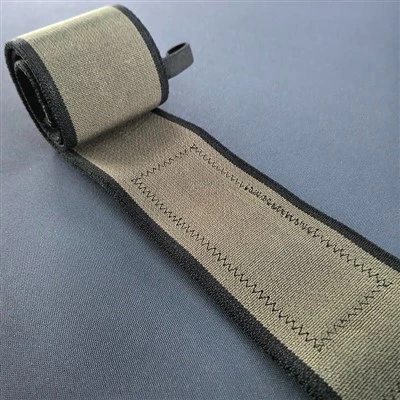
If you’re a retailer, gym, physical therapy clinic, or other business looking to stock high-quality wrist wraps for your customers, we’d love to work with you. We offer bulk pricing, custom branding options, and flexible minimums to fit any size business. To learn more about partnering with us, reach out to our sales team for a private consultation.
Flexible Wrist Wraps References
- American Journal of Sports Medicine. (2019). Biomechanical Effects of Wrist Orthoses on Lateral Elbow Load During Tennis Serve.
- Journal of Orthopaedic & Sports Physical Therapy. (2021). Efficacy of Wrist Wraps for Pain and Function in Lateral Epicondylitis: A Randomized Controlled Trial.
- American Academy of Orthopaedic Surgeons. (2022). Lateral Epicondylitis (Tennis Elbow) Treatment Guidelines.
- British Journal of Sports Medicine. (2020). Overuse Upper Limb Injuries in Recreational Athletes: Prevention and Management Strategies.
Zhangjiagang Fengda Sports Goods Co., Ltd.
As one of the most professional wrist wraps manufacturers and suppliers in China, we have world-leading production equipment and strong manufacturing capabilities. Please rest assured to buy bulk high quality wrist wraps at competitive price from our factory. Customized orders are welcome.
Address: 36# West Changxing Road, Yangshe Town, Zhangjiagang City, Suzhou, Jiangsu Province, China.
E-mail: jison@fengdasports.com
WebSite: https://www.gymsleeve.com/
