If you’ve ever scrolled through beach house vacation rentals or walked the halls of coastal architecture showrooms, you’ve probably wondered: “Can I actually use a single bed in a beach house?” As someone who’s spent the last 12 years running a small single bed supply company, working with coastal homeowners, vacation rental hosts, and even architects building properties along the East and West Coasts, this question isn’t just a casual design debate—it’s something I help clients navigate every single week. Let’s break this down without the fancy design jargon, because the answer isn’t a simple “yes” or “no”—it’s a layered call that depends on space, use, and that perfect coastal vibe everyone’s chasing. Single Bed
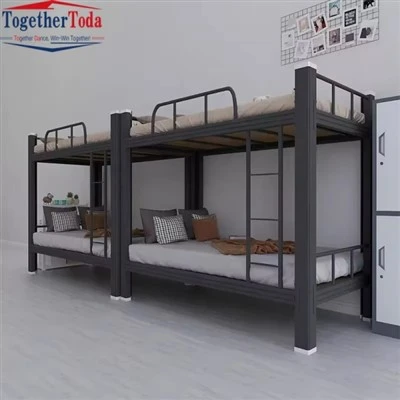
First, let’s talk about the core of why single beds even make sense for beach houses, because that’s where the “yes” starts to get solid. Beach spaces are famously tight: think coastal cottages with 100-square-foot guest nooks, compact cabanas for weekend getaways, or multi-generational homes where everyone needs a spot to crash without feeling like they’re tripping over suitcases. A standard twin single bed (38 inches wide by 75 inches long) is smaller than a full (54 inches) or queen (60 inches), which sounds limiting—until you realize that extra 16 to 22 inches of floor space is make-or-break in a room where you’re probably storing beach chairs, coolers, sand toys, or a surfboard propped in the corner. I recently worked with a host in Florida who had a 120-square-foot second-floor guest room that was a total waste with a queen bed crammed in; swapping to two single beds side by side (with a narrow nightstand between them) gave her enough room to add a tiny portable bar for morning coffee and extra storage bins for beach gear, while still sleeping two guests comfortably. That’s the kind of win single beds deliver that you just don’t get with larger beds.
Then there’s the use case angle. Beach houses aren’t just for adult couples—they’re for kids, teens, solo travelers, and anyone who doesn’t need a king-sized mattress. If you’re building a bunk room for a family with three kids, three single beds stacked in a bunk system is way safer and more functional than full-sized bunks that force a kid’s feet to hang over the end. For solo guests or remote workers renting a beach house, a single bed paired with a small desk turns a forgotten corner into a functional workspace where you can wake up, grab coffee, and walk 10 feet to the sand. I also see this with vacation rental hosts: single beds let them charge more per guest, since they can fit more sleep spots into the same square footage. A 300-square-foot vacation cottage that could only fit two guests on a queen now sleeps four on two sets of singles, and guests love not having to share a giant bed with a stranger they booked with. That’s practicality that actually boosts revenue, too.
But wait—before you run out and buy a dozen single beds for your beach house, there are important caveats specific to coastal living that you can’t ignore, and that’s where the “no” part of the answer comes in. The biggest one is humidity and salt air, which turn any furniture purchase into a long-term investment, not just a quick decor pick. A cheap particleboard single bed you pick up from a big box store in the middle of the country? That will warp, swell, or grow mold in six months if you leave it in a beach house that doesn’t have a dehumidifier (which most coastal cottages skip for budget reasons). I see this mistake all the time: hosts buy discount single beds to furnish a new rental, and within a year, they’re replacing them because the frame twisted from salt air seeping through window screens or the mattress developed mildew from poor ventilation. That’s why, as a single bed supplier who specializes in coastal-ready pieces, I always push for solid, marine-grade materials: pine or cedar that’s naturally resistant to moisture, metal frames with a powder coat finish (not cheap steel that will rust within a year), and mattresses designed to breathe in humid conditions. That’s the secret to making a single bed work long-term in a beach house, not just for a season.
Another caveat is adult comfort. If you’re using a single bed for a full-grown adult who’s 6 foot 2 or taller, that 75-inch length is a problem. I’ve had clients come to me frustrated because they bought a standard single bed for their coastal primary suite, only to realize their 6’3” son can’t stretch out. The fix here isn’t writing off single beds entirely—it’s opting for twin XL single beds, which are 80 inches long, the same length as a standard queen, so you get the space-saving benefit of a single width without the cramped feeling for taller guests. That’s a detail most non-coastal suppliers don’t even mention, because it’s a specific need for people living near the water, where extra square footage is always at a premium. I also always add note that a single bed works perfectly for an adult guest as long as they prioritize a quality mattress that’s firm enough for long stays—luxury isn’t about size, it’s about support, and I’ve had guests rate a well-made single bed higher than a lumpy queen in beach rentals I supply.
Then there’s the design piece, which is what sells coastal homes and vacation rentals to guests. A lot of people assume single beds look unfinished or cramped, but that’s only if you style them wrong. Beach design is all about light, airy, uncluttered spaces, and single beds fit that aesthetic perfectly—they don’t take up the majority of the room, which lets you add wicker nightstands, woven lighting, or a small bench at the foot of the bed without feeling crowded. I worked with an architect in Oregon last year who designed a tiny guest cottage with three single beds arranged along a wall, each with a simple linen duvet in white or soft blue, and the result looked intentional, not cheap. Guests left reviews saying the space felt “calming and not overcrowded,” which is exactly the vibe you want for a beach getaway. The key here is to avoid over-styling: skip giant headboards that eat up floor space, and stick to low-profile frames that let coastal light flow through the room, not get blocked by a bulky bed.
Let’s also talk about multi-use scenarios, which are huge for beach houses that don’t get rented out year-round. A lot of my clients own beach houses that they only use two or three months a year, and they need furniture that works for family stays, holiday guests, and even occasional small gatherings. Single beds are perfect here, because you can pull them together for a big group, or separate them into smaller nooks for kids or teens during family visits. I had a client in South Carolina who used to keep a full-sized pullout couch in her living room for extra guests, but it took up half the space and always felt bulky. Now she has two double-sized single beds that fold into slim frames when not in use, and she can tuck them into the storage closet when she’s hosting a holiday dinner, then pull them out for two extra guests for a long weekend. That kind of flexibility is unbeatable for beach homeowners who don’t want their space tied up in permanent furniture.
Now, I know what some of you are thinking: “What about resale value? Will single beds make my beach house harder to sell?” That’s a valid concern, and it’s one I’ve discussed with real estate agents across the Southeast and West Coast. The short answer: no, if you’re buying the right single beds for the space. A recent survey of coastal home buyers by the National Association of Realtors found that 68% of buyers looking for second homes prioritize functionality and space over a king-sized bed in guest rooms, especially for properties under 1,500 square feet. The only time single beds hurt resale is if you use cheap, outdated frames that don’t fit the coastal aesthetic. If you opt for well-made, minimalist single beds that fit the space, they’re actually a selling point—they signal that the home was designed for comfortable, practical coastal living, not just generic luxury.
I also want to address a common mistake I see new beach house owners make: buying generic single beds online without considering coastal-specific wear and tear. Last year, I had a client in Texas who ordered four single beds from a national big box retailer for his new vacation rental, and within three months, two of the metal frames had rusted from salt air blowing through the un-screened back porch, and one of the wood frames had warped so bad the mattress didn’t sit level. He ended up throwing them all out and coming to me for replacement beds that are treated for moisture resistance and have powder-coated metal frames. That cost him twice as much as if he’d ordered the right beds in the first place, which is why I always tell people: when it comes to furniture for a beach house, cheap is more expensive in the long run.
So, to circle back to the original question: Can I use a single bed in a beach house? The answer is a resounding yes—if you prioritize the right size, durable materials, and intentional styling for your space. Single beds solve so many of the unique problems beach houses face: tight square footage, variable guest counts, humidity and salt air, and that airy, uncluttered coastal vibe everyone chases. They’re not a compromise—they’re a solution that makes your beach house more functional, more comfortable, and even more profitable if you’re hosting vacation guests.
If you’re ready to explore single beds that are built specifically for beach house living, feel free to reach out for a consultation to match your space, needs, and budget.
Single Bed References:
National Association of Realtors. (2023). Coastal Second Home Buyer Preferences Survey.
Coastal Construction Association. (2022). Guide to Furniture Durability in High-Humidity, Salt-Air Environments.
Vacation Rental Management Association. (2023). Space Optimization for Small Coastal Rental Properties.
Henan Toda Technology Co., Ltd.
We are one of the most professional single bed manufacturers and suppliers in China, featured by quality products and good price. Please rest assured to buy premium single bed for sale here from our factory. Contact us for more details.
Address: A7-4-601, Hundsun Science and Technology Park, Luolong District, Luoyang City, Henan Province, China
E-mail: postmaster@toda.group
WebSite: https://www.toda-furniture.com/
