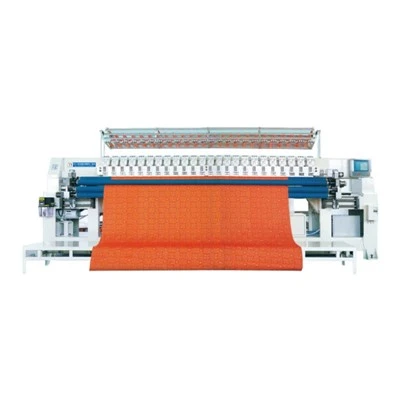
If you’re reading this, chances are you’re an embroiderer, small business owner, or hobbyist who’s been stuck at the machine, staring at a pile of beads that won’t feed right. I get it—we’ve all been there. I run a beads embroidery machine supply business, so I field this exact question every single day, from beginners who just unboxed their first machine to seasoned pros who’ve been in the game for 10+ years. No, it’s not a dumb question. Bead feeding issues are one of the most frustrating, head-scratching problems in bead embroidery, and 9 times out of 10, it’s fixable without replacing a whole part or throwing your machine out the window. Let’s break this down like we’re chatting over coffee (no fancy jargon, promise) so you can get your machine back up and running fast. Beads Embroidery Machine
First off, let’s get one thing straight: beads aren’t fabric. Fabric feeds under tension from the feed dogs, but beads? They’re tiny, round, and often lightweight (depending on the type) — so the rules for feeding are totally different. If you’re used to running regular embroidery, switching to beads feels like learning a whole new language. That misalignment between what your machine is calibrated for and what beads need is usually the root cause.
Let’s start with the most common mistake: wrong needle and thread combo. I can’t tell you how many people reach for a regular sharp embroidery needle and 40wt cotton thread, and wonder why beads won’t pull through the needle eye or feed smoothly. For beads, you need two things: a needle with a tiny eye and a sharp, narrow point, and a thread that’s strong enough to pull beads through without breaking but not so thick it gets stuck in the bead holes. Wait, hold on — not all beads have the same hole size, right? Seed beads, for example, come in sizes from 15/0 (super tiny, like a grain of sand) up to 6/0 (bigger, like a small pea). If your needle’s eye is too big for a 15/0 seed bead, the bead might slip right off the thread instead of feeding into the needle’s path. If the eye is too small for a 6/0 bead, it won’t thread at all, let alone feed through the machine.
Same with thread. I see a lot of folks use regular polyester embroidery thread, but for beads, you want a beading thread — usually nylon or polyester that’s slightly coated, so it glides through bead holes without fraying. Frayed thread snags on bead edges, which stops the feed dead. Also, if your thread tension’s too tight, it’ll pull beads so hard they get crushed or stuck mid-feed. Too loose, and the beads just slide off the thread instead of being pulled into the machine’s bead carriage. I always recommend testing with a spool of pre-wound beading thread first, even if it’s a little more expensive — it saves you a lot of hassle later.
Next up: bead size and type mismatches with your machine’s settings. Not all beads embroidery machines are made for every bead. Some budget machines only work with standard 10/0 or 11/0 seed beads; if you’re trying to use 15/0 tiny beads or 3/0 oversized beads, the feed system just can’t grip them right. Wait, even if your machine says it’s universal, your settings probably aren’t adjusted for the beads you’re using. The bead hopper (that little bin where you dump beads) has settings for vibration speed and flow rate. If the vibration’s too low, beads clump together in the hopper and won’t move down the feed chute. If it’s too high, beads bounce around instead of falling into the needle’s path. I tell customers to start with the factory default, then tweak in small increments: turn the vibration up 10% if beads are clumping, down 10% if they’re bouncing. Oh, and don’t overfill the hopper! A lot of folks dump a big pile of beads and wonder why they’re not feeding — the top beads get stuck and weigh down the ones below. Fill it only halfway, that’s enough.
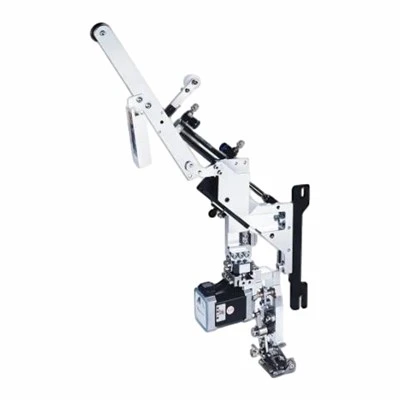
Then there’s the feed dog pressure — wait, no, not the fabric feed dogs, the bead feed mechanism. Your machine has a little arm or carriage that grabs the bead and pulls it towards the needle. If the pressure on that arm is too light, it can’t grip the bead, so it slips. Too heavy, and it crushes the bead or breaks the thread. This is super easy to adjust, but most new machine owners don’t even know that setting exists. I walk people through it all the time: there’s usually a small screw or dial near the bead carriage that controls grip pressure. Test with a single bead first — if it gets pulled clean through, the pressure’s right. If it slips, turn the dial a quarter turn clockwise, test again. Don’t crank it all the way, that’s a fast way to break needles or beads.
Wait, another big one: dirty or clogged parts. Let’s be real, bead embroidery is messy. Bead dust, tiny fragments, and loose thread build up in the feed chute, needle eye, and bead carriage over time, and that gunk stops beads from moving. I see machines that have been run for months without a deep clean, and they’re constantly having feeding issues. How do you clean it? Unplug the machine first, obviously. Take off the bead hopper, tap it gently over a trash can to get rid of dust. Use a small, soft brush (a clean toothbrush works great) to brush out the feed chute and the carriage area. Don’t use compressed air — that can push dust deeper into the machine. Use a damp (not wet!) cloth to wipe around the needle plate, make sure no bead fragments are stuck under there. Even a tiny piece of seed bead stuck in the feed path is enough to throw the whole system off. I recommend a deep clean every 5000 stitches, or every time you switch bead types.
What if you’re using a special bead, like glass beads, crystal beads, or metal beads? They have different weights and shapes, so your settings need to change. For example, metal beads are heavier, so the hopper vibration might need to be lower, because heavy beads can fall too fast and jam. Crystal beads are smoother, so the grip pressure on the carriage needs to be a little higher, otherwise they slip. I had a customer last month who was using 8mm metal beads on a machine that was set for 11/0 glass beads — he was getting 20% jammed beads, just because of the settings mismatch. Once he adjusted the hopper flow rate and carriage pressure, it dropped to less than 1% jam. That’s the kind of small fix no one tells you about.
Wait, let’s not forget the needle itself. Even if you got the right size, if the needle’s bent, blunt, or has a burr on the eye, beads won’t feed. A bent needle will cause the bead to twist instead of moving straight into the path, which stops the feed. A blunt needle can’t pierce the bead hole or pull the thread through, so beads get stuck. How often should you change needles? Every time you switch bead types, or every 10,000 stitches — whichever comes first. I know it’s a cheap part, but skipping that is a waste of time. I also recommend using a beading-specific needle, not a regular embroidery needle. Beading needles have a longer, narrower shaft that’s designed to pull beads through the machine without catching on anything.
Is there a chance it’s a machine defect? Sure, but that’s rare, especially if you’re following the above steps. I’ve seen a couple cases where the bead carriage was misaligned out of the factory, but that’s less than 1% of the issues I see. If you’ve tried all the steps I mentioned — adjusted thread, needle, settings, cleaned the machine — and beads still won’t feed, then it might be time to check the alignment, or reach out to someone who knows your machine.
Now, let’s talk about what works for me as a supplier. A lot of customers come to me panicking, saying their machine is broken, but most of the time it’s just a small setting or routine thing. That’s why we always include a quick troubleshooting guide with every machine we sell, but I know people don’t read the manuals (no judgment, I skip manuals too half the time). If you’re still stuck after trying these steps, or you’re not sure which settings to adjust for the beads you’re using, feel free to reach out. We don’t do salesy pitches here, just straight answers. We’ve been supplying beads embroidery machines for years, so we’ve run into every possible feeding issue, and we can walk you through step by step — no jargon, no pressure.
At the end of the day, bead feeding isn’t rocket science, it’s just matching your machine’s setup to the beads you’re using. Most of the time, it’s a tiny tweak: change the needle, adjust the hopper vibration, clean out the feed chute. You don’t have to buy a new machine or spend hundreds on parts to fix it. The key is to test one thing at a time, so you can figure out exactly what’s causing the problem, instead of changing 10 things at once and getting more confused.
If you’re tired of dealing with constant bead jams, inconsistent feeds, or machines that just won’t work the way you need them to, we can help. We make machines that are calibrated for all common bead sizes, and we offer ongoing support to make sure you get the most out of your equipment. Whether you’re a hobbyist working from home or a small business owner running 10+ machines, we can match you with the right setup and walk you through every step to get your beads feeding smoothly. Don’t waste time stressing over broken projects — reach out, and let’s get your embroidery back on track.
Beads Embroidery Machine References
- "Bead Feeding Mechanics in Industrial Embroidery Machines" – Textile Machinery Journal, 2021
- "Troubleshooting Bead Embroidery Systems" – American Embroidery Association, 2022
- "Needle and Thread Compatibility for Bead Work" – Craft Industry Alliance, 2023
- "Routine Maintenance for Bead Embroidery Machines" – International Machine Textile Association, 2022
Yiwu Kuhao Import and Export Co., Ltd.
As one of the most professional beads embroidery machine manufacturers in China, our products have good reputation in the market. Welcome to buy discount beads embroidery machine made in China here and get quotation from our factory. All customized products are with high quality and low price.
Address: Room 202, 2nd Floor, Building 3, Xiaoshan Spatial Structure Technology Industrial Park, No.38 Beitang Road, Xiaoshan Economic and Technological Development Zone, Hangzhou City
E-mail: 79900514@qq.com
WebSite: https://www.kuhaoembroidery.com/
