If you’ve ever stood at your kitchen counter after unpacking a grocery run or catering order, staring at a stack of clean, barely used styrofoam food trays, you’ve probably had the same thought: these aren’t trash—they’re just waiting for a second life. As a food tray supplier, I see this exact scenario play out every day with restaurants, caterers, and even home cooks who call our team frustrated, saying they don’t know what to do with the lightweight, durable trays that work so well for holding salads, pastries, or takeout meals. The truth is, reusing styrofoam food trays isn’t just about keeping them out of landfills (though that’s a huge win for the planet); it’s also about saving money, repurposing a material we already rely on, and avoiding the guilt that comes with tossing perfectly good packaging. Food Tray
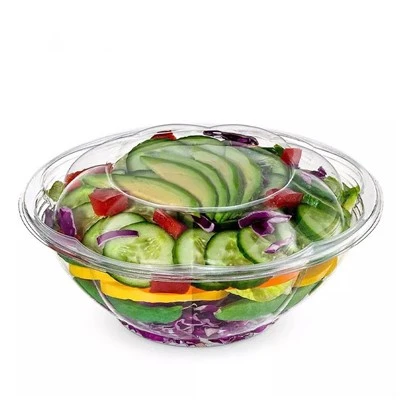
I get why people are hesitant at first. Styrofoam has a reputation for being non-recyclable, and I’ve heard all the myths: it breaks too easily, it leaches chemicals if you reuse it, it’s only good for one trip. Let’s set that straight right now. When handled properly, styrofoam food trays are incredibly versatile for reuse—we supply them with food-grade, BPA-free materials specifically designed for multiple uses, as long as you follow simple care rules. I’ve worked with dozens of small cafes that have reused our trays for up to three years, cutting their packaging costs by 40% and diverting thousands of trays from local waste sites. It’s not rocket science; it’s just a matter of knowing what works, what doesn’t, and how to do it safely.
First, let’s start with the basics: preparing your trays for reuse. Most people assume they can just wash and stack them, but there are a few non-negotiable steps to make sure the trays stay safe and functional. The key here is that styrofoam is porous, so leftover food residue, especially oily or sugary stuff, can get trapped in those tiny gaps if you don’t clean them right. Here’s what I recommend for prepping: as soon as you empty a tray, scrape off any solid food scraps into your compost bin or trash (don’t rinse that first—rinsing will spread grease and food particles around, making cleaning harder). Then, wash the trays by hand with warm, soapy water and a soft sponge. Skip the abrasive scouring pads or dishwasher cycles, though—those can scratch the styrofoam, weakening its structure and creating tiny crevices where bacteria can hide. If you have stubborn grease stains, a little baking soda mixed with dish soap works wonders; let it sit for 10 minutes before scrubbing gently, and the stain will lift right off. Once they’re clean, dry them completely with a towel before stacking—moisture can lead to mold growth, which is a big no-no for trays holding food later. I always tell our clients to store cleaned trays in a cool, dry place, not in a damp garage or under a sink where they can get musty.
Now, the best part: what to actually do with those reused trays, tailored to different needs. For commercial kitchens, our most popular recommendation is repurposing them as prep and storage trays. Let’s be real—caterers and line cooks go through disposable storage containers like they’re water, and those plastic bins can add up fast. A sturdy styrofoam tray works perfectly for holding cut veggies, marinated meats, or pre-portioned sauces while you’re prepping for service. They’re lightweight, so you can carry them around the kitchen without straining your wrists, and the walls are thick enough to keep food at a consistent temperature if you’re working in a walk-in fridge (just make sure to cover them with plastic wrap or lids if you need to keep items cold for more than an hour). We’ve had a bakery in Chicago that uses our trays to display cookie dough, and a sandwich shop that stacks them under cutting boards to catch crumbs—no need for separate crumb trays when you’ve got a few extra styrofoam ones lying around.
Home cooks aren’t left out either. At home, reused styrofoam trays make excellent organizing tools. Take a single tray and turn it into a junk drawer organizer—cut it to fit the drawer if you want, and use the compartments to hold utensils, rubber bands, or even small craft supplies. For gardeners, styrofoam trays are perfect for seed starting. The deep compartments hold soil well, and the lightweight material lets you move trays around your patio without dumping seedlings, plus they insulate roots from temperature swings, giving seeds a better chance to sprout. I even have a friend who uses old trays as underliners for potted plants, catching excess water so your furniture or patio doesn’t get stained. If you’re into DIY projects, you can cut trays into small pieces to use as insulation for birdhouses or even as a base for homemade coasters—no fancy tools needed, just a pair of sharp scissors and a little creativity.
Of course, safety is non-negotiable when reusing food trays, and that’s where I see a lot of people go wrong. A common mistake is reusing a tray that’s already damaged—cracks, deep scratches, or holes in the styrofoam mean bacteria can get trapped, and the tray won’t hold up to cleaning. We always advise our customers to retire any tray that has these flaws, because it’s not worth risking food safety for a few extra uses. Another big myth is that reused styrofoam leaches chemicals into food. The truth is, our food-grade styrofoam is made to meet strict FDA standards, so as long as you’re not reusing it for extremely hot foods (like steaming pasta or boiling soup, which can cause the material to break down), it’s completely safe. I tell people: if you reuse a tray for cold foods, room temperature items, or even baked goods that are no hotter than 140 degrees Fahrenheit, you’re in the clear. And never use trays that have held raw meat for storing cooked food later—raw meat juices can contaminate the tray’s porous surface, so stick to using trays that only held non-perishables or fully cooked items for secondary food storage.
Wait, what about if your trays are too dirty, damaged, or worn to reuse for food-related purposes? Don’t just toss them—there are still ways to give them a second life beyond the kitchen. Local schools, art studios, and community centers almost always need styrofoam trays for craft projects. Kids love painting them, gluing on googly eyes, or turning them into masks, mobiles, or even small boats for science fair projects. I regularly donate old, clean trays to a local elementary school’s art program, and they tell me it saves them hundreds of dollars a year on craft supplies. For gardening, if seed starting isn’t your thing, you can use trays to protect delicate plants from frost—cut them open and place them over seedlings at night to keep warm, or use them as wind barriers for young herbs. Even if you end up with trays that can’t be reused for anything creative, many municipalities have styrofoam-specific recycling programs now. We keep a list of local recycling centers that accept styrofoam food trays on our website, and I always share that information with new customers because even when reuse isn’t possible, recycling is a solid backup.
As a food tray supplier, I care about more than just selling you a product—I care about making sure that product is used responsibly, long after it’s left our warehouse. I’ve seen too many people write off styrofoam as a bad, single-use material, but the reality is that when we give it a second (or third, or fourth) life, we’re reducing waste, saving money, and making the most of a material that’s designed to last. I remember a regular client of mine, a small sandwich shop in Brooklyn, that started reusing our trays three years ago. They went from buying 500 new plastic storage containers a month to reusing the 200 trays they get from us weekly. That’s 300 fewer containers heading to the landfill each month, plus they save over $800 a year on packaging costs—money that now goes to hiring a part-time line cook and donating leftover food to a local food bank. That’s the kind of impact that feels good, right?

If you’re ready to start reusing your styrofoam food trays, or if you’re a business looking for sustainable, cost-effective packaging solutions that are designed to be reused, we’re here to help. Our team can guide you on the best practices for cleaning, storing, and repurposing trays for your specific needs, whether you’re a restaurant, caterer, or home-based food business. We also offer bulk options for businesses looking to switch to reusable packaging or source trays that are optimized for multiple uses. To learn more about our food trays and discuss how we can work together to reduce packaging waste and cut your operational costs, feel free to connect with our team. We’re always happy to answer questions, share care tips, or help you find the right solution for your business.
Soup Bowl References:
- U.S. Food and Drug Administration. (2022). Food Contact Substances: Polystyrene.
- Environmental Protection Agency. (2023). Reducing and Reusing Packaging Materials.
- National Restaurant Association. (2022). Sustainable Packaging Guide for Independent Food Service Operators.
Wuhan Green Treasure Industry & Trade Co., Ltd.
As one of the most professional food tray suppliers in China, we also support customized service and OEM service. We warmly welcome you to buy durable food tray made in China here from our factory. If you have any enquiry about free sample, please feel free to email us.
Address: T4-1106Dream Zone, No.9 Hongtu 1st Road, Dongxihu District , Wuhan, China.
E-mail: info@greentreasured.com
WebSite: https://www.greentreasured.com/
