If you’ve ever stepped into a home goods store, browsed online bedding sites, or hunted for soft, breathable fabrics for clothing or linens, you’ve likely stumbled over two terms that are thrown around a lot: “cotton” and “gauze cotton.” As someone who’s spent the last eight years running a Cotton and Gauze supply business, I can’t tell you how many times I’ve gotten a call from a customer saying, “I need gauze cotton, not regular cotton” — only to realize they’re mixing up what each material actually is. For a long time, I thought the confusion was just about brand names or marketing fluff, but last quarter I sat in on a chat where a mom was refusing to buy “just cotton” for her baby’s sheets because she’d heard gauze cotton was somehow “higher quality”… and she was wrong. That’s when I decided to sit down and break this down straight, no fancy sales pitches, no confusing industry jargon — just the real difference between cotton and gauze cotton, based on what I’ve learned from sourcing, shipping, and talking to thousands of people who actually use these fabrics every day. Cotton and Gauze
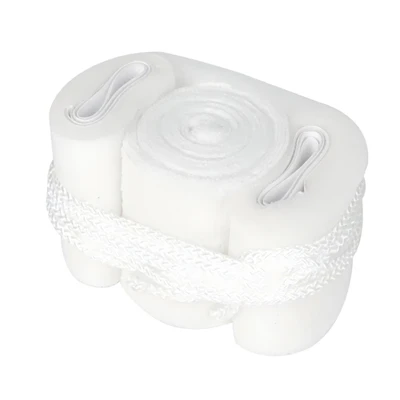
First, let’s start with the basics: cotton itself. At its core, cotton is a natural fiber that grows on the cotton plant, a fluffy, white boll that pops open once it’s ripe. For thousands of years, humans have spun this fiber into yarn, then woven or knitted that yarn into fabric. There are so many types of cotton out there — pima, Egyptian, organic, upland — each with its own length, strength, and softness, but all of them start as that same plant fiber. Think of cotton as the raw ingredient: it’s what you use to make everything from a sturdy work shirt to a soft bed sheet. Now, gauze cotton? It’s not a separate fiber, not a different type of cotton — it’s a weave. That’s the first, most important line most people miss. Gauze is a lightweight, open weave made with cotton yarn. So when someone says “gauze cotton,” they’re just describing cotton that’s woven in that specific, loose grid pattern. I learned this early in my supply business when a client kept ordering “extra gauze cotton” for medical bandages, and I had to explain that the cotton I was already sourcing was perfect for it — we just didn’t weave it tight like standard cotton sheeting. A lot of suppliers will call it “cotton gauze” or “gauze cotton” to market it as a separate product, but really, it’s all cotton with a different weave.
But don’t let that simple definition fool you — the weave changes almost everything about how the fabric feels, performs, and is used. Let’s talk about breathability first, because that’s the biggest difference people notice. Standard woven cotton (think a plain white bed sheet or a t-shirt) is woven tight, with yarns packed closely together. That makes it durable, good for keeping you warm in cool weather, but it can trap heat and moisture on hot days. Gauze cotton, on the other hand, has gaps between the yarns. Those little holes let air circulate freely, so sweat evaporates faster. Last summer, I shipped a bulk order of gauze cotton for a line of lightweight summer bedding, and the owner wrote back saying her customers were leaving 5-star reviews saying they’d finally found sheets that didn’t make them wake up sweating at 2 a.m. Standard cotton is great for winter, but gauze cotton is made for heat — that’s why you’ll see it used for things like summer blankets, baby swaddles, and face masks.
Softness is another big one, and this is where marketing gets tricky. A lot of brands will tell you gauze cotton is “softer than regular cotton,” but that’s not always true. A tight-woven high-thread-count cotton sheet can be incredibly soft — I’ve sold Egyptian cotton sheets that feel like silk, and they’re way smoother than any standard gauze cotton I’ve seen. The softness of gauze cotton actually comes from how it’s processed and how many times it’s washed, not just the weave. When gauze cotton is woven, the loose yarns are more likely to pill or get a little fuzzy after the first few washes, and that fuzziness is what people often mistake for “extra softness.” I’ve had customers come back upset because their first set of gauze cotton sheets felt scratchy until they washed them three times, and once the loose top layer of yarns softened, they loved it. Standard cotton, especially high-quality varieties, doesn’t have that same fuzzy layer right off the shelf — it’s smooth from the start, but that doesn’t mean it’s softer long-term. It just depends on what you want in terms of texture.
Durability is another area where the two fabrics are night and day, and this is something I’ve seen firsthand when products come back to my warehouse for damage. Standard cotton is woven tight, so it can hold up to a lot of friction, heavy use, and repeated washing without wearing out. I’ve had a set of my premium upland cotton kitchen towels that I’ve used for three years, and they’re still not torn — they just get softer. Gauze cotton, because of its open weave, is much more delicate. Those gaps mean it can snag on rough surfaces, tear easier if it’s pulled tight, and it’s not great for heavy, daily use where it will get a lot of friction. For example, I would never sell gauze cotton for work gloves or heavy-duty towels — standard cotton is the way to go. But for a baby’s swaddle that only gets used for a few months? Gauze cotton is perfect, because it’s easy to wash and not likely to chafe a baby’s sensitive skin, even if it does pill a little. That pilling, by the way, is a normal part of gauze cotton’s life — you can’t avoid it with the loose weave, but it doesn’t mean the fabric is falling apart. I always tell customers that if you want something that will last 10 years, go with standard cotton; if you want something that’s easy to use and gentle for a season, gauze cotton is your pick.
Now, there’s a common myth I hear all the time: that gauze cotton is more sustainable or higher quality than regular cotton. That’s not true at all. The sustainability of a fabric depends on how the cotton is grown (organic vs. conventional) and how it’s processed, not the weave. I sell both regular organic cotton and organic gauze cotton, and the only difference is the weave. The fiber is the same. As for quality, gauze cotton can be low-quality if it’s made with thin, flimsy cotton yarn, or high-quality if it’s made with strong, long-staple cotton yarn. Same with standard cotton. Last year, I had a client who ordered cheap gauze cotton from another supplier, and the fabric was so thin you could see through it, and it tore after two washes. The same client tried my high-quality long-staple cotton gauze, and it lasted a year. So it’s not about the name — it’s about the cotton’s fiber and how it’s made, whether it’s woven tight or loose.
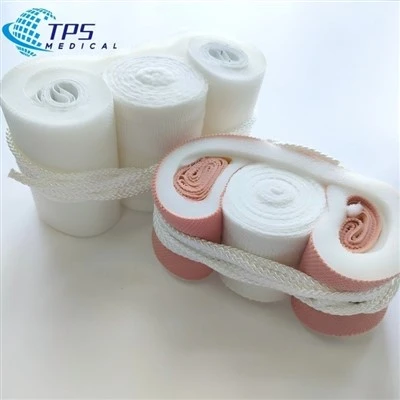
There’s also a difference in uses, which ties right back to the properties we’ve talked about. I make a living matching customers to the right fabric for their needs, so this part is what I think is most important for people to understand. If you need something for cold weather bedding, like a comforter shell or flannel sheets (wait, flannel is actually cotton too, just brushed), standard cotton is ideal because it traps heat. If you’re making a sturdy work shirt, a canvas tote bag, or a pair of jeans, standard cotton is the right choice because it’s strong and durable. For summer clothing, lightweight tops, or baby swaddles? Gauze cotton is perfect, because it’s breathable and light. I also use gauze cotton for medical supplies, like wound dressings, because the open weave lets air get to the wound and keeps it clean. Standard cotton can be used for bandages too, but it’s not as good for air circulation.
I’ve also noticed that a lot of people confuse gauze cotton with other fabrics, like muslin. Wait, muslin is actually a type of cotton that’s loosely woven, and often referred to as gauze cotton. So that’s another name people mix up, but it’s all the same core thing: cotton woven loosely. I once had a customer ask for “muslin cotton” because she’d seen it on a blog, and I explained that muslin is just gauze cotton, so she ended up ordering the same product, just under a different name. That’s why clear communication is so important in my business — a lot of the terms are regional, or brand-specific, so I always make sure to ask customers what they’re using the fabric for, instead of just what they call it.
Let’s talk about care, because that’s something that affects how long your fabric lasts. Standard cotton is pretty easy to care for — you can machine wash it on warm, tumble dry on medium, and it doesn’t shrink much if you follow the instructions. Gauze cotton, because of its loose weave, needs a little more care. I always tell customers to wash gauze cotton on a gentle cycle, in cold water, and to tumble dry on low heat, or even line dry it. High heat can make the fibers shrink more, and the rough cycle can cause snags. Also, as I mentioned before, pilling is normal with gauze cotton, so don’t panic if you see little fuzz balls after a few washes — that’s just the natural texture, not a sign the fabric is bad. You can use a fabric shaver to get rid of them, and it won’t damage the fabric.
Now, I want to be honest here — as a supplier, I have a stake in this, but not the kind that will make me mislead you. I sell both cotton and gauze cotton, so I don’t want you to think one is better than the other. The best choice depends entirely on your needs. If you’re a homeowner looking for year-round bedding, standard cotton is probably your best bet. If you’re planning a summer picnic and want lightweight blankets that won’t stick to you, gauze cotton is perfect. If you’re a parent making baby clothes, both are good, but gauze cotton is softer right away, while standard cotton can be softened over time. I once had a client who owned a clothing brand for kids, and she used standard cotton for the outer layers (because it’s durable for play) and gauze cotton for the undershirts (because it’s gentle on sensitive skin). That’s the perfect use case — mixing both fabrics for different parts of the same product.
A few years ago, I made a mistake that taught me a lesson about how important it is to clarify the difference. A customer ordered 500 yards of “gauze cotton” for a set of lightweight curtains, and I shipped what I thought was the right fabric. When it arrived, she called me upset because the gaps were so big you could see through the curtains. I realized I should have asked her if she wanted a medium-weight gauze or an extra-light one. That’s the thing about gauze cotton — it’s not a one-size-fits-all. There are different weights, different thread counts, different levels of openness. Same with standard cotton — you have lightweight sheeting, medium-weight shirt cotton, heavyweight canvas. So even within each category, there’s variation, which is why it’s so important to talk about what you need, not just the name.
I’ve also heard people say that gauze cotton is more expensive than regular cotton, but that’s not always the case. Sometimes high-quality long-staple gauze cotton is more expensive than low-quality standard cotton, but sometimes it’s cheaper, depending on where it’s sourced and how it’s processed. The price difference is about the fiber and the production, not the weave. I try to keep my pricing transparent, so I never mark up a fabric just because it’s called “gauze cotton” — I price it based on how much it costs me to source and weave it, same as standard cotton.
At the end of the day, the biggest takeaway here is that cotton and gauze cotton aren’t rivals — they’re two forms of the same core material, each with their own strengths. Cotton is the versatile, durable base fabric that’s been used for centuries, and gauze cotton is a specialized weave of cotton that’s designed for breathability and softness. The confusion comes from brands and sellers marketing them as separate products, but when you break it down, it’s all about what you need the fabric to do.
If you’re not sure which one is right for your project — whether you’re making bedding, clothing, medical supplies, or home goods — don’t hesitate to reach out for a consultation. As a Cotton and Gauze supplier, I’m here to help you pick the right fabric for your specific needs, no pressure, no confusing sales talk. I’ll ask you about what you’re using it for, how much durability you need, what temperature it will be used in, and guide you toward the best choice. We offer samples for all our products, so you can feel the difference for yourself before placing a bulk order, and we work with clients of all sizes, from small Etsy sellers to large retail chains. No job is too big or too small, and we’re always happy to answer any questions you have, no matter how basic they might seem.
Whether you’re a first-time buyer or a seasoned industry professional, I know getting the right fabric makes all the difference in your final product. That’s why I’ve built my business on being honest, transparent, and willing to take the time to explain the difference between cotton and gauze cotton, and all the variations in between. If you’re ready to discuss your next project or order samples, feel free to get in touch — we’ll work with you to find exactly what you need.
First Aid Kit Accessories References
- The Cotton Fiber: Properties and Characteristics, International Cotton Advisory Committee
- Weave Types and Their Applications, Textile Institute
- Cotton Fabric Care and Maintenance Guidelines, American Home Textile Association
- Gauze Fabric: A Guide to Properties and Uses, Textile World Magazine
Hangzhou Tuopusi Medical Products Co., Ltd.
As one of the most professional cotton and gauze manufacturers and suppliers in China, we offer a wide range of products with superior quality. Please feel free to wholesale bulk customized cotton and gauze at competitive price from our factory. Also, free sample is available.
Address:
E-mail: sales@tpsmedic.com
WebSite: https://www.medressing.com/
