If you’ve ever stood at a local awards gala, stared at two identical-looking polished pieces on a table, and wondered why one’s labeled a “trophy” and the other an “honor,” you’re not alone. As a supplier of custom awards and trophies— I’ve spent 12 years walking clients through this exact confusion, from small business owners ordering team recognition pieces to nonprofits putting together community service recognition events. What I’ve learned over that time is that these two terms aren’t just interchangeable labels for shiny metal or glass. They’re rooted in distinct intent, history, and impact on how people feel about being recognized, and getting that difference right can make or break the meaning of a recognition program. Awards Trophies
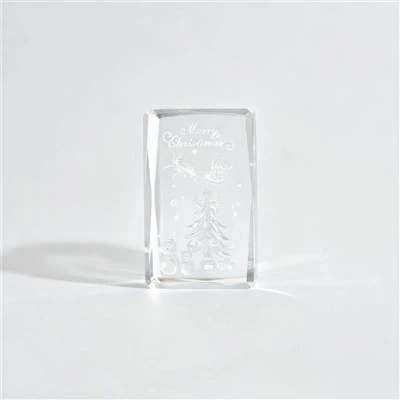
Let’s start with trophies, because that’s the term most people reach for first when they think “award for achievement.” The word itself comes from the Greek “tropaion,” a monument erected after a military victory to mark a physical win—like spoils from a battle, displayed to prove someone came out on top. For most of history, trophies were tied to competition: a soccer team that wins a league gets a trophy, a high school runner who beats competitors to cross the finish line gets a trophy, a sales rep who hits a quarterly quota gets a trophy. The core here is measurable, competitive achievement.
From a manufacturing standpoint (and as someone who’s made hundreds of thousands of these), trophies are designed for visibility and durability. Think of the classic football-shaped glass piece, or the engraved metal cup on a solid base. They’re usually physical objects, often with a year, event name, and winner’s name etched right on them. Their primary purpose is to signal a win that others can see—displayed on a shelf, a desk, or a trophy case so peers, clients, or family can point to it and say, “That’s what you accomplished.” Data from the Incentive Research Foundation backs this up: 78% of corporate recognition programs that use trophies tie them to a specific, quantifiable goal, like a sales target, tournament win, or project deadline. Trophies are meant to be tangible proof of competition, something you can hold up and say, “I beat others to earn this.”
Now, honors. This one’s a little trickier, because it’s not about competition. The word comes from the Latin “honor,” meaning respect or esteem, and it’s been around for centuries to recognize worth that’s not tied to beating others. An honor is usually given to someone for character, service, or an exceptional act that benefits a community—think of a Nobel Peace Prize, a local “Citizen of the Year” award, or a company’s “Team Player of the Quarter” who didn’t hit a quota but stayed late to help a new hire. Unlike trophies, honors don’t require a winner to be “better” than others; they recognize someone whose actions are valuable in a way that goes top of the line.
The design of honors reflects this too. As a supplier, I tell clients that honors can be more personal, more symbolic, than trophies. A honors piece might not have a year or rank etched on it; instead, it could have a quote, a symbol tied to the organization’s values, or a space to write a specific act the recipient did. For example, a nonprofit might give an honor to a volunteer who spent 10 hours a week helping kids, and the piece would feature a child’s handprint (if the volunteer brings one) instead of a generic medal. A 2022 study from the Society for Human Resource Management (SHRM) found that honors-focused recognition programs boost employee engagement 23% more than trophy-based programs, because they make recipients feel seen for who they are, not just what they achieved competitively.
But here’s where people mix them up: many modern awards blur the line. I once had a customer come to me saying they wanted a “trophy” for their top volunteer, but when we talked, it turned out their goal wasn’t to recognize who volunteered the most (a competitive metric) but to honor a volunteer who had stayed through a chaotic year when all others had quit. That wasn’t a trophy—it was an honor, and designing it wrong would have sent the wrong message. I made that mistake early on, when I engraved a sales number on a “trophy” for a teacher who had gone above and beyond to support students, and later the teacher told me it felt like they were being compared to other teachers, not recognized for their unique work. That’s when I realized the difference isn’t just in the object—it’s in the intent.
Let’s break it down even more with practical, real examples from my work. Last year, a local little league came to me wanting trophies for their all-star tournament. They had 12 teams, and only one could win—so trophies made perfect sense. I suggested engraved baseball bats on wood bases, and each team’s winning player got a trophy with their name and “2023 All-Star Champions” etched right on it. The parents told me later those trophies were displayed in every kid’s room for months, because they were a clear, tangible mark of winning.
A few months before that, a hospital client reached out for recognition for their nursing staff. They didn’t want to pick a “top nurse” based on patient satisfaction scores alone (that would feel competitive) — they wanted to honor nurses who went out of their way, like bringing blankets to a scared pediatric patient or staying late to help a colleague. I worked with them to create custom honor pieces: small glass disks etched with the hospital’s mission statement and a blank line where a specific team member could write a story about the nurse’s act. The nurses told me those pieces meant more than any trophy, because they were about their heart, not just a ranking.
So what happens when you mix the two? I’ve seen it. A tech company once ordered 50 “employee of the month” trophies, but they didn’t tie them to a competition—they just handed them out randomly. The result? Employees thought the company didn’t actually value their work, because the trophy felt like a cheap, generic award, not a real recognition. On the flip side, a small business once tried to give an honor to their top sales rep, engraving “1st Place Sales” on the piece. The rep told me it made them uncomfortable, because it felt like the company was pitting them against other team members instead of celebrating their unique contribution.
As a supplier, my job isn’t just to sell a polished object—it’s to help clients match the recognition to the right term. That means asking questions before I quote a price: Is this for a competition, where there’s a clear winner? Or is this for a contribution that stands on its own, not a race? Do you want the recipient to feel like they beat others, or like they’re being seen for who they are? Those questions turn a generic order into a meaningful piece.
Let’s talk about the psychology behind this too. Trophies trigger what’s called “outcome-based motivation”—you work to win, to be better than others. Honors trigger “intrinsic motivation”—you work because your actions matter, not because of a prize. A 2021 study from the University of Chicago’s Booth School of Business found that kids who receive trophies for winning a game are more likely to quit a similar game later if they lose, because they link the reward to beating others. Kids who receive honors for being a good teammate are more likely to continue playing, because they link the activity to personal value. That’s a big reason why schools and nonprofits are shifting more toward honors than trophies these days.
But that doesn’t mean trophies are obsolete. There’s a time and place for them. Olympic medals are trophies—they’re tied to a global competition, and the “I beat the world” feeling is part of what makes them special. Local sports leagues, sales contests, and hackathons all benefit from trophies, because they celebrate the effort to outperform others. The key is not to use a trophy when you need an honor, and vice versa.
I’ve also noticed that many people use “trophy” as a catch-all, which is why the confusion happens. But over 12 years, I’ve learned that when a client takes the time to clarify, the recognition is always better. Last year, a coffee shop owner came to me, saying they wanted “trophies” for their baristas. When I asked, they said they wanted to recognize a barista who had trained three new hires in a month, even though they were already working 40 hours a week. That wasn’t a competition—there was no “top barista” contest. So we made an honor piece: a custom ceramic mug with the barista’s name, a quote about their work, and the coffee shop’s logo. The barista told me it was the first time they felt recognized at work, instead of just being another employee on a schedule.
Another time, a college debate team came in for trophies for their regional tournament. They had 16 teams, and only one could win. We made engraved metal cups, and the winning team’s trophy had their team name and “Regional Champions” etched on the front. The team captain later told me that trophy was a symbol of their late nights practicing, the time they spent together, and beating other teams—something they couldn’t have gotten from a generic honor piece.
So, to circle back to the original question: the difference between a trophy and an honor isn’t just in the shiny object on your desk. It’s in the intent behind it. A trophy is for competition—for when there’s a clear winner, and you want to celebrate beating others. It’s a marker of achievement that’s relative to others. An honor is for character or service—for when you want to celebrate someone’s unique contribution, not their rank in a race. It’s a marker of worth that’s inherent to the person, not relative to others.
As someone who’s made thousands of these pieces, I can tell you that the best recognition programs don’t just use one or the other. They use both, intentionally. A sports team gets trophies for winning, but they might give honors to the captain who stayed late to help a new player. A workplace might give trophies for top sales, but honors for the team that supported a colleague through a personal crisis. That balance is what makes recognition feel real.

If you’re planning a recognition program, and you’re still not sure whether you need a trophy or an honor, I’m here to help. I’ve worked with every type of client, from small local nonprofits to large corporations, and I can guide you to a piece that fits exactly what you want to communicate. Don’t settle for a generic term—let’s talk about your goals, your recipients, and what you want them to feel when they get their piece. Reach out to discuss your project, and we’ll craft something meaningful, not just shiny.
References
Art Glass Ornament Incentive Research Foundation. (2022). The State of Corporate Recognition Programs. Society for Human Resource Management. (2022). Employee Engagement Through Targeted Recognition. University of Chicago Booth School of Business. (2021). Motivation Effects of Competitive vs. Character-Based Recognition.
Yiwu Meiyinbao Import & Export Co., Ltd.
Yiwu Meiyinbao Import & Export Co., Ltd. is one of the most experienced awards trophies manufacturers and suppliers in China, also supports customized service. We warmly welcome you to wholesale bulk cheap awards trophies from our factory. If you have any enquiry about free sample, please feel free to email us.
Address: Longhui Village Zone 1 Choujiang Subdistrict Yiwu City Zhejiang Province China
E-mail: sales@yiwuhonestal.com
WebSite: https://www.yiwucrystal.com/
