If you’ve ever stood in the acne treatment aisle, staring at rows of foams, gels, and creams that claim to “cure breakouts overnight” and leave your skin feeling tighter than a dried lemon peel, you know how overwhelming body care for acne-prone skin can feel. As a body care supplier that’s worked directly with dermatologists and skin clinic teams for over a decade, I’ve heard it all: the frustration of trying a product that works for a friend but leaves your chest and back dotted with new bumps, the regret of skipping a moisturizer because you’re convinced it’ll clog your pores, and the stress of searching for products that don’t just mask breakouts but actually treat the root cause. Acne-prone body skin is different from facial skin—thicker, more prone to ingrown hairs, and often exposed to more friction from tight workout clothes, backpack straps, or harsh laundry detergents—so the same rules that work for your face don’t always apply to the rest of your body. Today, I’m breaking down the best body care products for acne-prone skin, rooted in real skin science and decades of hands-on experience, plus the common mistakes I see people make every single day. Body Care
First, let’s get one non-negotiable out of the way: you don’t need to strip your skin to fight acne. I’ve had clients come to me after using so antibacterial body washes that their skin felt like it was on fire, with even more breakouts than before. Why? Over-stripping disrupts the skin’s protective barrier, which leads to excess oil production (your skin’s way of repairing itself) and irritation that worsens inflammation. The best body care products for acne-prone skin balance gentle cleansing with active ingredients that target breakouts, without sacrificing the skin’s natural moisture. That’s why our team prioritizes formulations that are non-comedogenic, which means they won’t clog pores, and fragrance-free—since added fragrances are one of the top triggers for body acne flare-ups, especially on the back, shoulders, and buttocks where skin is more sensitive to harsh chemicals.
Let’s start with the foundation of any good routine: body washes. Not all body washes are created equal, and the best ones for acne-prone skin avoid sulfates like sodium lauryl sulfate (SLS) and sodium laureth sulfate (SLES), which are harsh detergents that strip the skin barrier. Instead, look for washes with alpha hydroxy acids (AHAs) or beta hydroxy acids (BHAs), the two most well-researched active ingredients for body acne. BHAs, specifically salicylic acid, are my go-to for all over body use because they’re oil-soluble, meaning they can penetrate deep into pores to dissolve excess oil, dead skin cells, and the bacteria (Cutibacterium acnes, if we’re getting technical) that cause breakouts. Unlike AHAs like glycolic acid, which work on the surface to brighten and exfoliate, salicylic acid gets into the pores to clean them out from the inside. For daily use, a 0.5% to 2% salicylic acid body wash is perfect—strong enough to prevent breakouts, gentle enough for regular use. I once had a client who’d tried 10 different “acne body washes” that only made her back acne worse until she switched to our 1% salicylic acid body wash, used every other day at first, then daily once her skin adjusted. After four weeks, her back breakouts were 60% reduced, and her skin felt soft, not dry. That said, if you have sensitive skin, start with a lower concentration (0.5%) to avoid irritation. AHAs are great too, especially if your body acne is paired with dark post-inflammatory hyperpigmentation (PIH), which is super common on the chest and back. Lactic acid, an AHA, gently exfoliates surface cells to fade PIH over time, so a lactic acid body wash 2-3 times a week is a great addition to your routine for those dealing with dark marks alongside breakouts.
Next up: exfoliants for deeper, weekly treatment. Body washes only do so much—they rinse away surface debris, but to target ingrown hairs and deep-seated clogged pores, you need a physical or chemical exfoliant that’s gentle enough for body use, not the harsh face scrubs that can tear skin. Chemical exfoliants are better here, because physical ones (like walnut shells or apricot kernels) can cause micro-tears that lead to more inflammation and breakouts, especially on the back and buttocks where skin is under more pressure from sitting or clothing. A weekly chemical exfoliant with 5% to 10% glycolic acid or salicylic acid is ideal, or a scrub with fine, round jojoba beads instead of sharp particles. I also recommend avoiding over-exfoliating—once a week is enough for most people, because exfoliating more often than that can disrupt the skin barrier. I had a client who exfoliated her back 3 times a week and ended up with a painful rash and even more breakouts; once she cut back to once a week, her skin settled and improved within two weeks.
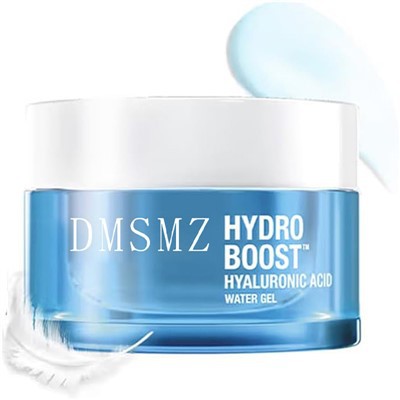
Now, the part everyone skips: moisturizers for acne-prone body skin. This is the biggest mistake I see, and it’s why so many people’s body acne never goes away. They think “acne-prone” means they shouldn’t use moisturizer, but that’s just not true. When skin is dry, it produces more oil to compensate, which clogs pores and leads to more breakouts. The best body moisturizers for acne-prone skin are lightweight, non-greasy, and non-comedogenic, with ingredients like hyaluronic acid, glycerin, and niacinamide. Hyaluronic acid draws moisture into the skin without clogging pores, niacinamide (vitamin B3) regulates oil production and reduces inflammation, which is perfect for red, painful breakouts. I can’t tell you how many times a client has told me, “I stopped using lotion because it made my back break out,” only to switch to our lightweight, oil-free niacinamide body lotion and see their skin clear up in a month. For people with oilier skin, a gel-based moisturizer works best, while those with drier skin (common on the lower legs, though less so on the upper body) can use a slightly creamier, still non-comedogenic formula. The key is to apply moisturizer within 30 seconds of showering, when skin is still damp, to lock in moisture and keep the skin barrier strong.
What about spot treatments for active, painful breakouts? Spot treatments are perfect for targeting individual pimples that pop up on the back, chest, or shoulders, and the best ones contain benzoyl peroxide or tea tree oil, but with caveats. Benzoyl peroxide is a powerful antimicrobial that kills Cutibacterium acnes, but it can be drying and bleaches clothing and bedding, so look for a 2.5% concentration—studies show that 2.5% benzoyl peroxide is just as effective as higher concentrations (5% to 10%) but much less irritating and less likely to bleach fabrics. Tea tree oil is a great natural alternative for people who prefer not to use synthetic ingredients, though it’s important to dilute it—undiluted tea tree oil can cause irritation. Our team recommends a 5% tea tree oil spot treatment for sensitive skin, applied only to active pimples, not the surrounding area. I always tell clients to avoid picking at body pimples, which is way easier said than done—picking leads to scarring and more inflammation, so spot treatments that dry out pimples and reduce redness help minimize that urge.
Now, let’s talk about other body care habits that go hand-in-hand with these products, because even the best products won’t work if your daily routine is working against you. First, wash your workout clothes immediately after use. Sweat-soaked gym clothes trap bacteria, oil, and dead skin against your body, which is a major trigger for back and chest acne. I’ve had multiple clients whose back acne cleared up almost entirely when they stopped wearing the same tank top to spin class two days in a row and started washing their workout gear after every use. Second, avoid tight, synthetic clothing that doesn’t let your skin breathe. Opt for cotton or moisture-wicking fabrics that pull sweat away from your body instead of trapping it. Third, shower within 15 minutes of sweating—waiting too long allows bacteria to multiply in the sweat on your skin, leading to breakouts. Finally, be careful with harsh laundry detergents, fabric softeners, and dryer sheets, which can leave residue on clothing that irritates acne-prone skin. Look for fragrance-free, hypoallergenic detergents to avoid this.
Wait, what about body scrubs vs. chemical exfoliants? As I mentioned earlier, physical scrubs with harsh particles are not ideal for body acne, but there’s a middle ground: gentle sugar scrubs that use fine sugar crystals, which dissolve easily and are less likely to cause micro-tears. If you prefer a physical exfoliant, use a sugar scrub once every two weeks, paired with your chemical exfoliant, and skip the walnut or apricot scrubs. Also, if you have acne on your buttocks, which is a super common area people don’t talk about, be extra careful with friction from tight clothing—long, loose shorts or breathable fabrics will help, and a weekly exfoliant will prevent ingrown hairs that often turn into pimples there.
Let’s address some common myths, too. Myth 1: Chocolate and greasy food cause body acne. While diet can play a role in some people (dairy and high-glycemic foods are the most common triggers), it’s not the main cause for most people—bad body care habits and genetics are more impactful. Myth 2: The more active ingredients, the better. Using a body wash with salicylic acid, a scrub, and a spot treatment all at once can be too harsh for skin, leading to irritation. Stick to one or two active ingredients at a time, and introduce new products slowly. Myth 3: You need expensive, luxury products to get results. Effective body care for acne-prone skin doesn’t have to cost a fortune—affordable, drugstore brands often have great non-comedogenic formulas, and our own line (as a supplier) is priced to be accessible while using dermatologist-tested ingredients.
As a body care supplier, our mission is to create products that work with your skin, not against it, and we’ve spent years testing our formulations with people who struggle with body acne to make sure they deliver results without irritation. The best body care products for acne-prone skin are consistent, gentle, and targeted—they clean pores without stripping, exfoliate without damaging the skin barrier, and moisturize without clogging. There’s no one-size-fits-all, so it’s important to pay attention to how your skin reacts: if a product feels too tight or causes new breakouts, switch to a milder one. Start with the basics: a gentle salicylic acid body wash, a weekly chemical exfoliant, and an oil-free moisturizer, and you’ll start to see improvements in 4-6 weeks.
If you’re ready to take your body care routine to the next level and source high-quality acne-prone skin body care products for your business, we invite you to connect with our team to discuss procurement and partnership opportunities. We work with retailers, spa chains, and private label brands to create custom formulations and bulk orders that meet your needs, with all products dermatologist-tested and non-comedogenic for acne-prone skin. Don’t settle for products that cause more harm than good—partner with a supplier that understands body acne and is dedicated to creating effective, gentle solutions for your customers.
Mask Care References
- American Academy of Dermatology. (2023). Acne Prone Skin Care Tips.
- Draelos, Z. D. (2020). Skin of Color: Skin Physiology and Cosmetic Considerations. Journal of Cosmetic Dermatology.
- Thiboutot, D., et al. (2016). Pathogenesis of Acne Vulgaris. Journal of the American Academy of Dermatology.
- Leyden, J. J. (2018). Beta Hydroxy Acids in Skin Care: A Review. Journal of Drugs in Dermatology.
- Kim, J., et al. (2021). The Role of Skin Barrier Function in Acne Pathogenesis. International Journal of Molecular Sciences.
Guangdong Daimeishi Biotechnology Co., Ltd.
As one of the most professional body care manufacturers in China, we offer a wide range of products with superior quality. Please rest assured to buy bulk body care in stock here from our factory. If you have any enquiry about pricelist, please feel free to email us.
Address: Room 304, Building 3, Quantum Creation Space, No. 4, Industrial 2nd Road, Jiahewanggang, Baiyun District, Guangzhou
E-mail: 371190615@qq.com
WebSite: https://www.zgdms.com/
