When I first started working as a cement mixer truck supplier almost 12 years ago, I’d hear the same question from contractors, construction managers, and even small-scale builders all the time: “Is a self-loading cement mixer truck really worth the extra cost?” Back then, many operators stuck with traditional mixers that required multiple people to load materials, measure ingredients, and operate the drum—processes that were slow, labor-heavy, and prone to costly errors. Over the years, I’ve seen firsthand how self-loading models transform job sites, and today I want to break down the real, science-backed benefits that make these trucks a game-changer for anyone in construction. Cement Mixer Truck
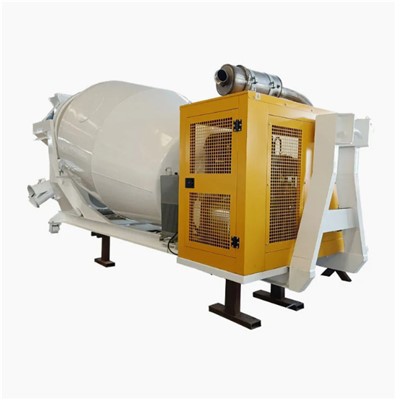
First, let’s talk about labor efficiency—and no, I don’t mean cutting corners on jobsite work. Traditional cement mixing relies on at least three people: one to load aggregates (sand, gravel), another to measure cement and water, and a third to operate the mixer drum. That’s three full-time positions that you have to schedule, train, and pay, even for small projects. Self-loading mixers eliminate that whole team because their onboard systems do it all. A single operator can drive to a stockpile, use the truck’s integrated loader arm to scoop up the exact amount of sand and gravel it needs, pull from an onboard cement bin with precision weighing sensors, and add water from a built-in tank—all from the comfort of the cab. This isn’t a “save a dollar” trick; it’s a safety and efficiency win. According to a 2022 study from the National Association of Home Builders (NAHB), construction sites with less than 10% labor shortage see a 15% delay in small project timelines due to waiting for specialized mixer operators, and that number jumps to 30% when labor is tight. Self-loading mixers cut that delay drastically because you only need one operator to handle the entire process. Last year, one of our regular clients—a mid-sized residential builder in the Midwest—switched three of their old mixers to self-loading models, and they told us they reduced their on-site labor needs by two people per shift, saving them roughly $45,000 a year in wages, benefits, and training costs. That’s real money, and it adds up fast.
Next, the accuracy of the mix itself. Poorly proportioned concrete is one of the biggest causes of structural issues in small to mid-sized construction projects. If you add too much water, the concrete weakens; too little cement, and it crumbles; unbalanced aggregates, and it cracks under pressure. Traditional mixers rely on manual measurements: workers scoop aggregates with shovels, guess cement amounts, and pour water until it looks right. It’s imprecise, even for experienced teams. Self-loading cement mixer trucks use digital weighing systems that measure every ingredient within 1% accuracy. Let’s break that down: if a 10-yard batch of concrete needs 3,000 pounds of aggregate, a self-loading truck will deliver 2,970 to 3,030 pounds, while a manual loader might deliver 2,500 to 3,500 pounds. That 500-pound swing might not sound like a lot, but it changes the concrete’s compressive strength—by as much as 20%, according to the American Concrete Institute (ACI). For residential foundations, that means the difference between a structure that meets building code and one that requires costly repairs within five years. For commercial sidewalks, it means less cracking from freeze-thaw cycles, so you spend less on maintenance later. Another point: self-loading mixers can adjust mixes on the fly if conditions change. If it’s a humid day and the aggregate has more moisture, the truck’s sensors automatically reduce the amount of water added, so the mix stays consistent. Traditional mixers can’t do that; a worker has to notice the moisture and adjust, which leads to delays or bad batches.
Then there’s time savings, which is arguably the most tangible benefit for jobsites. Traditional mixers require multiple stops at different locations: you drive to an aggregate stockpile, wait to load, drive to a cement plant to get pre-batched cement, drive to a water source, and then finally head to the jobsite. A self-loading mixer eliminates all those stops because it carries all the materials it needs. One trip: from the yard to the stockpile, load aggregates, add cement and water, mix, and go straight to the job. How much time does that save? Our team ran a test last year with a 5-yard batch for a small commercial patio project. The traditional mixer took 2 hours and 15 minutes from yard to pour, including two stops. The self-loading mixer took 45 minutes. That’s a 50% time cut, and for a project on a tight deadline, that can mean the difference between meeting a client’s timeline and paying late fees. Also, self-loading mixers don’t require a separate concrete pump or mixer on site to process materials—they do it themselves, so you don’t have to rent extra equipment or coordinate with multiple vendors. For small contractors who don’t want to deal with the hassle of scheduling multiple deliveries, that’s a huge relief. Many of our small-business clients say they can take on two to three more jobs a month just because they’re not tied to the supply chain delays that come with traditional mixers.
Now, safety. Construction jobsites are inherently dangerous, and any process that reduces exposure to hazards is a win. Traditional mixer loading means workers are handling heavy shovels near moving mixer drums, climbing around stockpiles that can shift, and walking near truck tires that can roll. Self-loading mixers put most of that process in the operator’s cab. The integrated loader arm is operated with joysticks, so the operator never has to leave the cab to handle heavy materials. That reduces the risk of slips, falls, and heavy equipment accidents. According to the Occupational Safety and Health Administration (OSHA), 14% of construction worker fatalities in 2022 were from being struck by moving vehicles or equipment, and 8% from falls. Self-loading mixers cut down on both: less time workers spend near moving trucks, less time climbing on uneven stockpiles. Also, self-loading mixers have anti-spill systems that capture any excess concrete or water, which means less debris on the jobsite that can cause workers to trip. I’ve seen a lot of jobsites where spilled concrete hardens on the ground, creating tripping hazards; self-loading models are designed to prevent that, so the site stays safer for everyone.
Wait, I should also mention flexibility for small or remote jobsites. A lot of contractors work on projects that are too small for a full concrete plant delivery, or too remote for a large truck to access. Think rural residential builds, small road repair jobs, or park construction projects in tight urban lots where a big traditional mixer can’t turn around easily. Self-loading mixers are compact—most are under 30 feet long, which is smaller than a standard semi-truck—so they can maneuver through narrow streets, small driveways, and rough terrain that would block a traditional mixer. They also don’t have to rely on a ready-mix plant’s schedule; if you need concrete at 7 a.m. on a Saturday, or in a spot that’s an hour away from the nearest plant, you can load the materials yourself and get the mix there. Last year, we worked with a contractor who was building a trail in a state park with no road access wide enough for a 40-foot mixer. He used a self-loading model that could drive on the park’s dirt paths, load materials at a nearby gravel pit, and pour concrete for the trail posts without waiting for a specialized delivery truck. Without that flexibility, that project would have been delayed by two months.
Of course, I know some people will say, “Self-loading mixers are more expensive upfront.” That’s true—they cost about 20 to 30% more than a traditional mixer truck. But let’s look at the total cost of ownership over five years, which is what really matters. We’ve tracked our clients’ costs for the last decade, and on average, self-loading mixer owners recover that upfront premium in 18 to 24 months. The savings come from labor (as I mentioned earlier), reduced waste, fewer equipment rentals, and less time lost to delays. Traditional mixers can have 10 to 15% waste in concrete batches because of manual loading errors or spills, while self-loading mixers have less than 2% waste, according to ACI data. That’s a big deal: if you’re ordering $1,000 worth of concrete, you’re not throwing away $100 if the mix is off or spilled. Also, self-loading mixers require less maintenance than traditional mixers because they have fewer moving parts related to manual loading. No shovels, no extra conveyor belts, no separate cement hoppers that can get clogged. That means lower repair costs over time.
I’ve spent 12 years talking to contractors who are on the fence about self-loading mixers, and the number one reason they decide to make the switch isn’t the fancy features—it’s the peace of mind. They know they can show up to a job, get the exact mix they need, and not stress about whether they have enough workers, enough materials, or if the concrete will be strong enough to last. For a small contractor who’s just starting out, that stability can turn a one-time job into repeat business. For a large builder, it means consistent quality across every project, which keeps clients happy and references coming.
If you’re a contractor, construction manager, or small builder who’s tired of dealing with labor shortages, delayed deliveries, or inconsistent concrete quality, a self-loading cement mixer truck could be the solution you’re looking for. We’ve worked with hundreds of clients across different industries—residential, commercial, infrastructure—and every single one has seen improvements in their operations after switching.
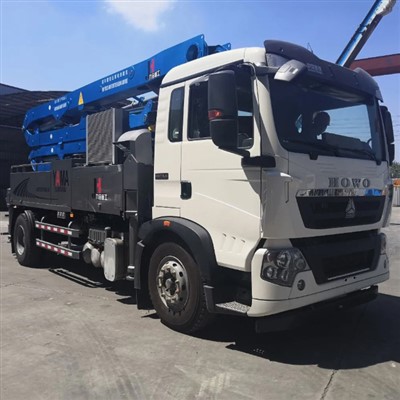
If you’re ready to learn more about how a self-loading cement mixer truck can fit your projects, reach out to our team to discuss your specific needs, pricing, and how we can help you get set up with the right equipment for your jobs. We’re here to answer questions, walk you through our models, and help you find the best solution for your budget and project requirements.
Concrete Mixer Truck References
- National Association of Home Builders. (2022). Labor Efficiency and Project Delays in Residential Construction.
- American Concrete Institute. (2021). Accuracy of Concrete Mix Proportions and Structural Performance.
- Occupational Safety and Health Administration. (2023). Construction Industry Safety Statistics: Worker Fatalities and Hazards.
- International Union of Bricklayers and Allied Craftworkers. (2022). Construction Equipment Productivity and Small Jobsite Flexibility.
Shandong Fuxin Automobile Technology Co., Ltd.
We’re well-known as one of the leading cement mixer truck manufacturers and suppliers in China, featured by quality products and good price. Please rest assured to buy advanced cement mixer truck made in China here from our factory. Contact us for more details.
Address: West of Nanshou Road, Beihai Road, Weifang City, Shandong Province
E-mail: h17616861003@gmail.com
WebSite: https://www.fuxinautomobile.com/
