If you’ve ever stood at a job site where sand and slurry are moving fast to keep construction, dredging, or mining projects on schedule, you’ve probably heard the term “sand pump” thrown around. But if you’re new to the game, or even a seasoned pro who’s never dug into the inner workings of one critical part—its motor—you might wonder: what actually powers a sand pump to move that tough, abrasive material? As a sand pump supplier who’s been troubleshooting, modifying, and delivering these machines for over 12 years, I’m here to break this down without the jargon that makes this part of pump technology feel like rocket science. Sand Pump
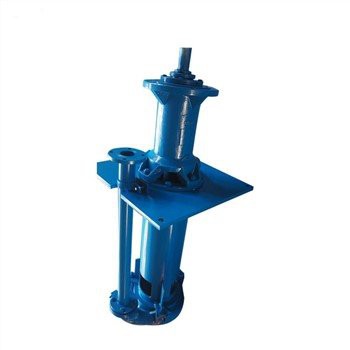
First, let’s ground this: a sand pump isn’t a garden hose for moving wet dirt. It’s a heavy-duty workhorse designed to handle solids, often with abrasive sand, gravel, or even small rocks mixed in. If it can’t power through that tough stuff, the whole grind stops. That’s why the motor isn’t just an afterthought—it’s the reason a sand pump can do its job day in and day out, without burning out or grinding to a halt mid-job.
When people ask me what the motor of a sand pump is, I don’t just say “an engine that makes it turn.” I explain that it’s the core power source engineered to meet the unique demands of moving sand. Unlike a regular water pump motor, which can rely on steady, smooth fluid flow, sand pump motors have to handle variable loads. You might have a job where the suction line picks up a sudden pile of large sand clumps, which creates extra resistance on the pump’s impeller. A standard motor would strain, overheat, or shut down. A sand pump’s motor is built to absorb that shock, keep consistent rotation, and avoid failing when the going gets gritty.
Over the years, I’ve worked with three main types of motors that we build into the sand pumps we supply, and each fits a specific job. Let’s break them down by use case, because that’s what matters most to our customers: the construction crew working on a river levee, the mining company moving ore slurry, or the dredging team clearing a harbor.
First up, electric motors. This is the most common motor we install for stationary sand pump setups, like dredge operations that stay put for weeks, or construction sites that don’t need to move pumps around often. Electric motors for sand pumps are not your average 110-volt garage motor. We use three-phase induction motors, typically ranging from 10 horsepower (HP) for small, residential or light commercial sand moving to 500 HP or more for large-scale dredging. Why three-phase? Because it delivers a steady, consistent torque— that’s the twisting force that turns the pump’s impeller. Torque is non-negotiable for sand pumps; when sand and solids hit the impeller, you need that force to keep it spinning, not bog down.
Another big plus for electric sand pump motors: they’re efficient. Compared to gas or diesel, electric motors waste less energy as heat, which means they run cooler, last longer, and cost less to operate month to month. We do add a few tweaks to make them work for sand, though. Standard electric motors are sealed to keep out water, but we upgrade the sealing to handle not just water, but fine sand that can seep into gaps and cause wear. We also build in thermal overload protection—if the motor does get overworked by a sudden load of heavy sand, it automatically shuts down before it burns out. I once had a customer in Louisiana who was using our 200 HP electric sand pump to dredge a canal, and they had a leak in their suction line that pulled in a huge chunk of mud and sand. The thermal protection kicked in instantly, saved the motor, and only cost them a half-hour of downtime to fix the line. That’s the value of designing the motor for sand, not just generic power.
The second type of motor we supply is diesel engines, and these are for mobile or remote jobs where power isn’t easily accessible. Think of a small construction job at a rural site with no grid connection, or a dredging team moving from one part of a river to another every few days. A diesel-powered sand pump doesn’t rely on a power cord; it’s self-contained, so you can tow it to a job site anywhere, no setup beyond hooking up the suction and discharge lines. Diesel motors for sand pumps are built for durability too—they have larger radiators to handle heavy loads, and they’re designed to withstand the vibration that comes from moving solids.
I remember a customer in Alaska who needed a sand pump to move gravel for a road construction project in a remote valley. The nearest power line was 20 miles away, so an electric motor wasn’t an option. We supplied them with a 350 HP diesel sand pump, and it ran for 18 hours a day, 7 days a week, through the winter cold and sand that was mixed with small ice chunks. The diesel motor held up perfectly; the only maintenance they needed was changing the fuel filter every 2 weeks, which is standard, but nothing out of the ordinary for a sand pump setup. The key here is that diesel motors for sand pumps have extra torque for low-speed, heavy-load work—perfect for moving dense sand that’s settled at the bottom of a dredge pit.
The third, less common but still important, type of motor is hydraulic motors. We use these for small, portable sand pumps or for pumps mounted on heavy machinery, like excavators or small dredges. Hydraulic motors run off the hydraulic system of the machine they’re attached to, so you don’t need a separate power source for the pump. They’re compact, easy to move, and great for jobs where space is tight. For example, if a utility company needs to clear sand and debris from a sewer line, they can mount a small hydraulic sand pump on the back of their truck, and the motor runs off the truck’s hydraulic system. The downside is that hydraulic motors are best for small to medium sand pumps, not the 500 HP large-scale ones you use for major dredging. But for the right job, they’re ideal.
Now, a common question I get: does the size of the motor matter? The short answer is yes, but not just by HP. We size the motor based on three things: the amount of sand being moved, the distance it needs to go (that’s the discharge head, in pump terms), and the size of the solids in the sand. If you install a motor that’s too small, it’ll strain, overheat, and burn out in a matter of days, not years. If it’s too big, you’re wasting money on unnecessary power, and it’ll be less efficient.
Early in my career, I learned this the hard way. We had a customer in Texas who wanted a sand pump for moving sand from a sandblasting operation to a storage bin. They tried to use a 100 HP electric motor, thinking that would be more than enough. But the sand they were moving had fine particles that created extra friction inside the pump’s casing, and the discharge line was 200 feet long—way more than the customer had calculated. The motor burned out in less than a month. We swapped it for a 150 HP motor sized to their exact setup, and it’s still running 10 years later. That’s why as a supplier, we don’t just sell you a motor that fits a generic sand pump. We ask questions: how much sand per hour do you need to move? How far is the discharge? What’s the largest size of solid you’re handling? We size the motor to your specific job, not a one-size-fits-all model.
Another thing to note: the motor and the pump have to work in sync. A sand pump’s impeller (the spinning part that moves the sand) is connected directly to the motor’s shaft, so the motor’s rotation speed, or RPM, has to match what the impeller needs. If the motor spins too fast, the impeller will wear out quickly; too slow, and the pump won’t move enough sand. For most sand pumps, we use motors that run at 1,200 to 1,800 RPM—slower than a standard water pump motor, which is usually 3,600 RPM. That slower speed is key for handling sand, because it reduces wear on the impeller and the pump casing, which are the parts that come into direct contact with abrasive sand.
Maintenance of the motor is another big piece of the puzzle. Even the best sand pump motor will fail if you don’t take care of it. For electric motors, that means regular checks of the seals to make sure no sand is getting in, cleaning the cooling vents to prevent overheating, and changing the oil in the bearings every 6 months. For diesel motors, it’s changing the fuel and oil filters, checking the radiator for clogs from sand, and testing the battery before the busy season starts. I tell all our customers that the motor is 70% of their sand pump’s lifespan—so taking 30 minutes a week to do basic maintenance will add years to the pump, and save them thousands of dollars in replacement costs.
I’ve seen a lot of jobs go wrong because of a mismatched or poorly maintained motor. A dredging team in Florida once had to shut down a $2 million project for 3 days because their motor burned out mid-dredge. They’d skimped on a bigger motor and skipped maintenance, and when they hit a patch of dense sand, the motor couldn’t handle the load. It cost them not just the replacement motor, but the delay in finishing the dredging before hurricane season hit. That’s why I always stress to customers: don’t cut corners on the motor. It’s the part that keeps the whole operation moving.
Now, if you’re here because you’re looking for a sand pump, I want you to know that the motor isn’t just a component—it’s tailored to your needs. Whether you’re a small contractor needing a portable hydraulic pump, a mining company needing a high-horsepower electric setup, or a dredging team needing a diesel-powered pump that can handle remote locations, we build our sand pumps with motors that are tested for exactly that kind of work. We’ve installed thousands of motors in sand pumps across the world, from the Arctic tundra to tropical harbors, and we’ve learned what works and what doesn’t.

If you’re ready to talk about a sand pump for your next project, we’re here to help. We can walk through your job details, size the right motor for your needs, and make sure your pump runs as efficiently and reliably as possible. Don’t waste time or money on a pump that’s mismatched for your sand, your distance, or your power access. Reach out, and we can start a conversation about the right solution for you.
Submersible Gravel Pump References:
- Karassik, I. J., Messina, J. P., Cooper, P., & Heald, C. C. (2008). Pump Handbook (4th ed.). McGraw-Hill.
- American Society of Mechanical Engineers. (2015). Standard for Centrifugal Pumps for Sand and Slurry Service (ASME B73.3). ASME International.
- Hydraulic Institute. (2020). Pump Life Cycle Costs: A Guide to LCC Analysis for Pumping Systems (2nd ed.). Hydraulic Institute.
- Diesel Technology Forum. (2022). Heavy-Duty Diesel Engines for Off-Highway Construction and Mining Equipment. Diesel Technology Forum.
Hebei Tongda Pump Co., Ltd.
Hebei Tongda Pump Co., Ltd. is well-known as one of the leading sand pump manufacturers and suppliers in China. Our factory offers high quality sand pump made in China with competitive price. Welcome to contact us for pricelist.
Address: No.158, Bo Ming Xi Lu, Boye County, Baoding City, Hebei Province
E-mail: wendy@hbtdby.com
WebSite: https://www.waterpumpmanufacturer.com/
