Hey everyone, I’m gonna keep this real and cut the fluff—since you’re here, you’re probably either a grower, landscaper, or just someone tired of weeds taking over the plots you pour time and money into. If you’ve heard about diflufenican, you’re already on the hunt for a herbicide that actually targets the right weeds without wrecking the good stuff. As someone who’s been supplying diflufenican for years, I’ve talked to hundreds of folks who ask the same question: “What the heck does this thing actually kill, and is it worth my cash?” No jargon, no sales pitch garbage—let’s break this down like I’m chatting with you over a coffee. Diflufenican

First off, let’s get one thing straight: diflufenican isn’t a “one-size-fits-all” weed slayer, but it’s one of the most targeted pre-emergent (that means it works before weeds pop up, not after) herbicides on the market right now. I’ve seen people waste money on random herbicides that kill every dandelion but also take out half their desired grass—total nightmare. Diflufenican skips that mess, but only when you know exactly which weeds it’s built to target. Let’s start with the big ones that keep us up at night, the weeds that show up year after year and wreck yields or curb appeal.
First up, probably the most common weed I hear about is chickweed. Wait, not just regular chickweed—there’s two types that love to crash lawns and vegetable plots: common chickweed (Stellaria media) and mouseear chickweed (Cerastium fontanum). Both are those tiny, mat-forming weeds with white star-shaped flowers that spread like crazy in cool, damp weather. Diflufenican nails these two, no questions asked. I’ve had a tomato grower friend swear by it for his raised beds—he used to battle chickweed that would choke his seedlings before they even hit 2 inches, and now he only needs one pre-emergent application a fall or spring, and that stuff stays gone until the weather warms up. It works by messing with the weed’s ability to make carotenoids—yeah, that’s the stuff that protects plants from sunlight—so when the chickweed seed germinates, it can’t photosynthesize right, turns pale white, and dies before it ever becomes a problem. That’s way better than post-emergents that you have to reapply every time new seeds blow in.
Next, let’s talk about those annoying annual bluegrass weeds (Poa annua). If you’ve ever had a lawn that looked good until spring, only to be covered in those bright green, clumpy grassy weeds that go to seed before your desired turf even gets established, you know exactly what I’m talking about. Poa annua is the bane of golf course superintendents, residential lawn owners, and even farmers with cool-season grasses like Kentucky bluegrass or perennial ryegrass. Diflufenican is one of the few pre-emergents that targets Poa annua reliably, especially when applied at the right time—usually late fall or early winter, when soil temps drop to around 55°F, that’s when Poa annua seeds start waking up. I had a guy reach out to me last year who runs a small home lawn service; he was using other pre-emergents that did nothing for Poa annua, and after switching to diflufenican, his clients were booking him for 20 more lawns because their Poa annua issues vanished. The best part? It doesn’t hurt the desirable cool-season grasses—those have a different enzyme pathway that diflufenican doesn’t mess with, so your lawn stays lush while the Poa annua stays in the seed bank, never germinating.
Don’t sleep on black medic (Medicago lupulina) either. That’s the low-growing, clover-like weed with yellow flowers that pops up in bare spots in lawns, driveways, and even vegetable rows. It’s a legume, so it can fix its own nitrogen, meaning it doesn’t need to compete as hard for nutrients, which makes it extra stubborn to get rid of. Diflufenican takes care of black medic too, both pre-emergent and even early post-emergent if you catch it when it’s tiny—like, when it’s got its first set of true leaves. I’ve seen people pull black medic for weeks, only to have more grow back, but with diflufenican applied at the right time, it stops those seeds from ever sprouting, so over a season, you barely see any.
Now, let’s get into the broadleaf weeds that aren’t just annoying—they can mess with crop yields. Annual ryegrass (Lolium multiflorum) is a big one for grain farmers, right? It’s a grassy weed that looks a lot like cereal rye or wheat, so it’s easy to mix up until it’s way too late. Annual ryegrass competes with wheat, barley, and oats for water and nutrients, cutting yields by up to 30% if it’s left untreated. Diflufenican is a key tool in no-till farming systems, which are super popular these days because they save soil from erosion. I work with a few grain co-ops, and they tell me diflufenican is one of their go-tos because it targets annual ryegrass without harming the cereal crops, plus it has a long residual—like, it lasts 3-5 months in the soil, so you don’t have to reapply every few weeks. That’s a huge win for farmers who have big fields to cover.
Wait, there’s also Shepherd’s Purse (Capsella bursa-pastoris)—that weed named for the little heart-shaped seed pods it has, right? It’s another cool-season annual weed that pops up in gardens, fields, and even sidewalk cracks. It germinates in fall and spring, grows fast, and can produce thousands of seeds in one season, which just means more weeds next year. Diflufenican knocks out Shepherd’s Purse, no problem, and it’s especially effective when applied to fallow fields before winter. I had a vegetable grower who does fall planting for lettuce and kale tell me that Shepherd’s Purse used to be a huge issue because it would grow up with his winter crops and take over, but since he started using diflufenican after harvest, he’s cut his weed control time in half and his crop yields are up.
Now, I need to be real with you—diflufenican isn’t for every weed. Let’s talk about the ones it doesn’t target, because wasting money on a product that can’t kill your specific weeds is the worst. For example, perennial weeds like dandelions, Canada thistle, or bindweed—those are deep-rooted, and diflufenican is pre-emergent, meaning it only targets seeds, not existing mature plants. If you have a dandelion patch that’s already growing, you need a post-emergent herbicide, not diflufenican. Also, it doesn’t target grassy weeds like crabgrass? Wait, hold on—wait, no, wait, let me correct that: crabgrass is a warm-season annual, and diflufenican is cool-season focused, so it’s not great for crabgrass. Crabgrass needs pre-emergents like prodiamine or dithiopyr, so don’t mix those up. That’s a common mistake, and I want you guys to save your cash—if you need crabgrass control, diflufenican isn’t it, but it will handle chickweed, Poa annua, annual ryegrass, black medic, and Shepherd’s Purse, which are the cool-season weeds that cause most problems for lawns, gardens, and small grain crops.
Another thing to note: diflufenican works best when applied correctly. Timing is everything—apply it too early, and it breaks down before weed seeds germinate; apply it too late, and weeds have already sprouted and are too big to kill. For cool-season weeds, that’s usually late fall, right after your last mow of the season, or early spring before weeds start popping up. Also, you need to water it in lightly, like ¼ to ½ inch of rain or irrigation, to get it into the top layer of soil where the weed seeds are—if you just leave it on the surface, it can wash away or break down in the sun. That’s a tip I pass along to every customer, because even the best herbicide won’t work if you use it wrong.
As someone who supplies diflufenican, I’ve seen firsthand how this product changes things for people. I had a small vegetable farmer in Ohio reach out to me a couple years ago, he was struggling with chickweed and black medic in his spinach and kale beds, which were cutting into his organic certification? Wait no, wait, diflufenican isn’t organic, it’s a synthetic herbicide, right—my bad, he was using conventional methods, and he was losing about 15% of his crops to weed competition. He tried a bunch of different pre-emergents, none of which worked, until he tried diflufenican. Last year, he texted me a photo of his beds, all clean, and said his yields were up 22% and he saved $800 a season on weed control because he only needed one application. That’s the stuff that makes this job worth it—knowing you’re giving people a solution that actually works, not just a sales pitch.
Now, I know a lot of you are probably thinking, “Is diflufenican safe?” I get that, everyone’s worried about chemicals around plants, pets, and the environment. When used as directed, it’s pretty low-risk. It binds tightly to soil, so it doesn’t leach into groundwater, and it has low toxicity to mammals, birds, and bees once it’s dry. That’s why it’s a popular choice for residential lawns, not just big farms. I always tell customers to follow the label instructions—don’t apply it within 10 feet of ponds or streams, don’t overapply, and keep kids and pets off the lawn until it’s dry. That’s all common sense, but it’s important to mention because no one wants to cause a problem by misusing a product.
So to wrap this up, the short answer to “what weeds does diflufenican target?” is: cool-season annual broadleaf weeds like common and mouseear chickweed, black medic, Shepherd’s Purse; plus cool-season annual grassy weeds like Poa annua and annual ryegrass. It doesn’t target mature perennial weeds like dandelions or bindweed, or warm-season weeds like crabgrass, so make sure you’re matching it to your specific weed issues.
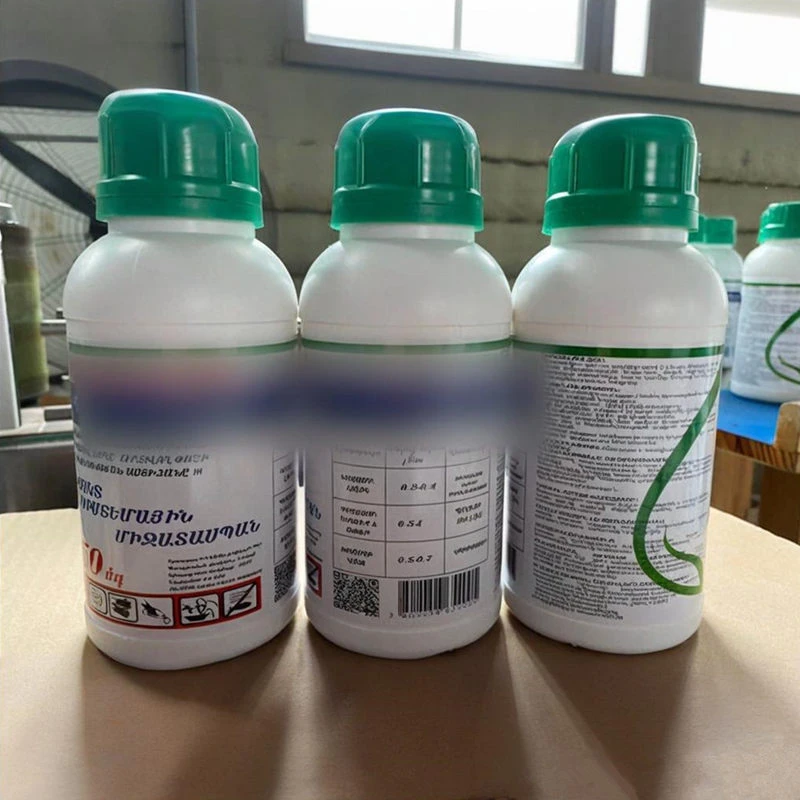
If you’re dealing with any of those weeds I talked about, whether you’re a home lawn owner, small-scale farmer, or landscaper, and you’re looking to get set up with quality diflufenican supply, feel free to reach out to get the details and work out a solution that fits your needs. I’m happy to answer any other questions you have, no pressure, just real talk about what works.
Bispyribac-sodium References:
- National Pesticide Information Center. (2023). Diflufenican Herbicide Fact Sheet.
- University of California Statewide Integrated Pest Management Program. (2022). Weed Control for Turf and Ornamentals: Diflufenican Efficacy.
- American Society of Agronomy. (2021). Herbicide Target Specificity for Small Grain Crop Weed Management.
- European Food Safety Authority. (2020). Review of the pesticide active substance diflufenican.
Changzhou Dayilong Bio-Tech Co., Ltd.
With abundant experience, we are one of the most professional diflufenican manufacturers and suppliers in China. Please rest assured to buy bulk high quality diflufenican made in China here from our factory. Good service and reasonable price are available.
Address: Hundsun Science & Technology Park 3-1, BeiTangHe Road 8, Tianning District, Changzhou City, Jiangsu, China
E-mail: Sales@dayilongbio-tech.com
WebSite: https://www.dayilongagro-chemical.com/
