In the realm of industrial instrumentation, the melt pressure transmitter stands as a critical device, especially in processes where measuring the pressure of molten materials is essential. As a supplier of Mercury Free Melt Pressure Transmitters, I often encounter inquiries about various aspects of our products. One of the frequently asked questions is about the shock resistance of these transmitters. In this blog, I will comprehensively explore what shock resistance means for a mercury – free melt pressure transmitter, its significance, and how our products perform in this regard. Mercury Free Melt Pressure Transmitter
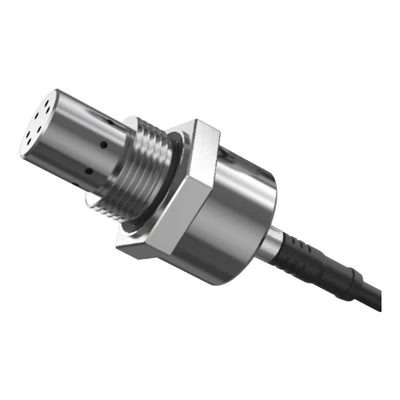
Understanding Shock Resistance in Melt Pressure Transmitters
Before delving into the shock resistance of mercury – free melt pressure transmitters, it’s crucial to understand the concept of shock in an industrial context. Shock refers to a sudden and extreme change in acceleration, typically caused by impacts, drops, or rapid starts and stops in machinery. In the case of melt pressure transmitters, shock can occur due to mechanical vibrations during the start – up or shutdown of extrusion equipment, sudden changes in the flow rate of the molten material, or even accidental impacts during installation or maintenance.
A melt pressure transmitter with good shock resistance can withstand these sudden changes in acceleration without suffering damage to its internal components. This is important because any damage to the sensitive pressure – sensing elements or the electronic circuitry of the transmitter can lead to inaccurate pressure readings, reduced reliability, and ultimately, costly downtime in industrial processes.
The Need for Shock Resistance in Mercury Free Melt Pressure Transmitters
The shift towards mercury – free melt pressure transmitters was driven by environmental concerns, as mercury is a highly toxic substance. However, the demand for shock resistance remains just as high as in traditional mercury – based transmitters.
In industries such as plastics, rubber, and food processing, where melt pressure transmitters are extensively used, the working environment can be harsh. Extrusion machines, which are commonly used in these industries, generate significant vibrations and mechanical shocks during operation. For example, in a plastic extrusion line, the sudden start of the screw can create a shockwave that propagates through the molten plastic and impacts the pressure transmitter.
If a melt pressure transmitter lacks adequate shock resistance, it may malfunction. This can cause inaccurate pressure measurements, which in turn can lead to poor product quality. In the plastics industry, incorrect pressure readings can result in inconsistent wall thickness in plastic pipes or improper adhesion in laminated plastic sheets. Moreover, the cost of replacing a damaged transmitter and the associated downtime can be substantial for manufacturers.
How Shock Resistance is Measured
Shock resistance in melt pressure transmitters is typically quantified using acceleration (in g – forces, where 1 g is the acceleration due to gravity, approximately 9.81 m/s²). Manufacturers subject their transmitters to standardized shock tests to determine their maximum shock tolerance.
One of the common test methods is the half – sine shock test. In this test, the transmitter is subjected to a half – sine shock pulse, which means the acceleration increases from zero to a peak value and then returns to zero following a half – sine wave pattern. The test specifies the peak acceleration (in g) and the duration of the shock pulse (in milliseconds).
Another test method is the square – wave shock test, where the acceleration suddenly jumps to a peak value, remains at that value for a specified duration, and then suddenly drops back to zero. The results of these tests give manufacturers an idea of how well their transmitters can withstand sudden impacts.
Our Mercury Free Melt Pressure Transmitters’ Shock Resistance
As a supplier of mercury – free melt pressure transmitters, we take great pride in the shock – resistant design of our products. Our R & D team has worked tirelessly to develop transmitters that can withstand the rigors of industrial environments.
We use high – quality materials and advanced manufacturing techniques in our pressure sensors. For example, our sensing diaphragms are made from materials that have excellent mechanical properties, such as stainless steel or ceramic. These materials can absorb and dissipate the energy of a shock without deforming or cracking. Additionally, the internal electronics of our transmitters are encased in a robust housing that provides additional protection against mechanical impacts.
Our transmitters are designed to meet or exceed industry standards for shock resistance. Through rigorous testing, we have determined that our products can withstand shock pulses with peak accelerations of up to [X] g for a duration of [X] milliseconds. This high level of shock resistance ensures that our transmitters can operate reliably in even the most demanding industrial settings.
Case Studies: Real – World Performance
To illustrate the effectiveness of our transmitters’ shock resistance, let’s look at some real – world case studies.
In a large – scale plastics extrusion plant, one of our clients was experiencing frequent failures of their old pressure transmitters due to the high – intensity vibrations and shocks generated by their extrusion machines. After switching to our mercury – free melt pressure transmitters, they noticed a significant improvement in the reliability of their pressure measurements. The new transmitters were able to withstand the shockwaves generated during the start – up and shutdown of the machines, and there were no instances of damage related to shock over a period of several months.
In a food processing facility, where the equipment undergoes frequent cleaning and sanitization procedures that can also generate shocks, our transmitters have proven to be highly durable. The shock – resistant design has allowed them to maintain accurate pressure readings, ensuring the consistent quality of the processed food products.
Maintenance Tips to Enhance Shock Resistance
While our mercury – free melt pressure transmitters are designed to be highly shock – resistant, proper maintenance can further enhance their performance and longevity.
Firstly, during installation, it’s important to follow the manufacturer’s guidelines carefully. Ensure that the transmitter is securely mounted using the appropriate mounting hardware. Loose mounting can cause the transmitter to vibrate more, increasing the risk of damage from shocks.
Secondly, regular inspections are essential. Check for any signs of physical damage, such as cracks in the housing or loose connections. If any damage is detected, it should be repaired or replaced immediately to prevent further degradation of the transmitter’s performance.
Finally, consider the use of shock – absorbing pads or isolators if the operating environment is particularly prone to high – intensity shocks. These can help reduce the transfer of shock energy to the transmitter.
Conclusion
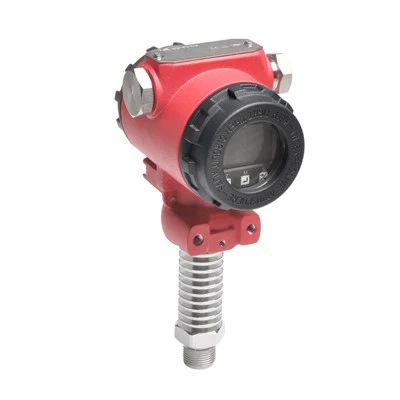
The shock resistance of a mercury – free melt pressure transmitter is a crucial factor in ensuring its reliable operation in industrial environments. As a supplier, we are committed to providing products that meet the highest standards of shock resistance. Our mercury – free melt pressure transmitters are designed with advanced materials and manufacturing techniques to withstand the sudden impacts and vibrations commonly encountered in industries such as plastics, rubber, and food processing.
Industry Pressure Transmitter By choosing our products, you can not only contribute to environmental protection by avoiding the use of mercury but also benefit from the peace of mind that comes with using a reliable and shock – resistant melt pressure transmitter. If you are in the market for a high – quality mercury – free melt pressure transmitter, we invite you to contact us for a consultation. Our team of experts is ready to assist you in selecting the right product for your specific needs and answering any questions you may have regarding shock resistance or other aspects of our transmitters.
References
- Handbook of Pressure Sensor Technology, Second Edition, Edited by R. K. Jain
- Industrial Instrumentation for Process Control: Principles and Applications by B.G. Liptak
Shanghai Zhaohui Pressure Apparatus Co., Ltd.
Shanghai Zhaohui Pressure Apparatus Co., Ltd. is one of the most professional mercury free melt pressure transmitter manufacturers and suppliers in China, featured by quality products and good service. Please rest assured to wholesale advanced mercury free melt pressure transmitter in stock here from our factory. Also, customized service and 1 year warranty are available.
Address: 2-6/F, Building 8, No.115, Lane 1276, Nanle Road, Shanghai, China
E-mail: sales@zhyqsensor.com
WebSite: https://www.sinosensor.net/
