If you’ve ever stepped into a greenhouse that’s been neglected for even a couple of months, you know the toll buildup can take: sticky mineral deposits on glass that block sunlight, cobwebs strung between tomato stakes, mold on seed starting trays, and that persistent layer of algae that creeps up along the base of walls. As a cleaning tools supplier who’s worked with greenhouse managers, small-scale urban growers, and commercial horticulturists for over a decade, I’ve learned that effective greenhouse cleaning isn’t just about scrubbing harder—it’s about picking tools that work with delicate plant systems, cut down on labor, and actually extend the life of your growing space. Too many growers reach for household tools that either scratch glass, leave chemical residue that harms seedlings, or don’t penetrate the tight gaps where pests and mold thrive. Let’s break down the tools that actually make a difference, why they matter, and how to use them without disrupting your crops. Cleaning Tools
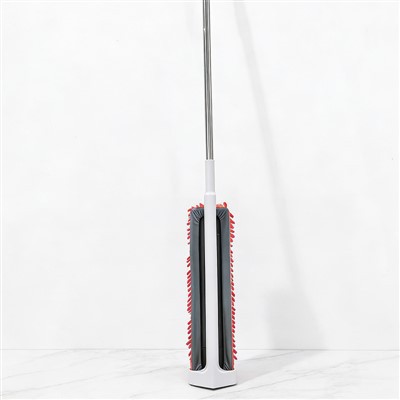
First, let’s start with the workhorse of any greenhouse cleaning routine: a soft-bristle, non-abrasive scrub brush. Wait, I know what you’re thinking—why not a stiff broom or a metal scrub brush? For greenhouse glass, polycarbonate panels, and even hard plastic trays, abrasive materials leave tiny micro-scratches. Those scratches don’t just make your greenhouse look dull; they scatter sunlight, reducing the amount of PAR (photosynthetically active radiation) that plants need to grow by up to 15% in some cases, according to horticultural research from the University of California Agriculture and Natural Resources. The best brushes I’ve tested have dense, flagged polypropylene bristles—they’re stiff enough to lift caked-on mineral deposits, algae, and stubborn potting soil, but soft enough to not damage glass or scratch the surface of plastic trays or seed starting cells. I keep a dedicated set of these brushes: one for glass panels, one for trays, and a smaller, hand-held one for trellis stakes, labels, and the nooks of bench legs. The key here is to never reuse a brush that’s come into contact with pest-ridden plants or soiled growing media—cross-contamination is one of the biggest risks of shared cleaning tools in greenhouses, so color-coding your brushes by use case has been a game-changer for my clients.
Next, long-handled squeegees with rubber blades. Cleaning greenhouse glass is a daily (or at least weekly) task, and using a rag or sponge to wipe it down leaves streaks and takes twice as long. Squeegees cut that time in half, and the right blade makes all the difference. I recommend natural rubber blades over synthetic ones—they’re more flexible, so they conform to the curve of polycarbonate panels better, and they don’t leave tiny bits of plastic residue that can end up in your growing media. For high peaks or tall side walls, pick up extension poles that click into place, so you don’t have to haul out a wobbly ladder every time. One tip I learned from a commercial grower in Oregon: run the squeegee over a bucket of diluted pH-neutral greenhouse cleaner (we supply a specific blend that’s free of phosphates, which can encourage algae growth) instead of plain water, and it cuts through mineral deposits from hard tap water without leaving residue. I’ve seen clients use old window squeegees for this, but they often have too narrow a blade—opt for 18 to 24 inch blades for large greenhouse panels to avoid having to make multiple passes.
If you have concrete or gravel greenhouse floors, floor scrubbers aren’t just for big commercial operations anymore. Wait, not the industrial ones that leave puddles everywhere—there are compact, battery-powered electric floor scrubbers that are perfect for small to mid-sized greenhouses. The combination of a rotating brush and a built-in vacuum system means you don’t have to use a mop and bucket, which can spread pests like spider mites or aphids from one area to another. For gravel floors, I pair the floor scrubber with a stiff nylon brush attachment that lifts embedded algae and dead plant matter without tearing up the gravel. For concrete, it’s gentle enough that it won’t etch the surface, which is important because etched concrete is more porous and traps moisture, leading to more mold and moss. I recently worked with a 5-acre grower in Pennsylvania who switched from manual mopping to these compact scrubbers, and they cut their floor cleaning time from 12 hours a week to 90 minutes. The battery lasts a full 8 hours, so you can clean during a lull in planting or harvesting without interrupting work.
Another often-overlooked tool is a high-pressure washer, but not the ones you use to clean your driveway. Regular high-pressure washers can blast soft tissue off plant roots, damage thin polycarbonate panels, and spread waterborne pathogens like powdery mildew from one plant to another. The right type for greenhouses is a cold-water, low-pressure washer with a variable nozzle that can go as low as 500 PSI—no higher than 1000 PSI max, or you risk damaging structures. These are perfect for cleaning hard-to-reach areas like the underside of bench tops, the gaps between greenhouse framing, and large, sturdy pots that have caked-on potting soil. I always tell clients to keep a separate nozzle just for the washer, never use it for other outdoor cleaning, because any dirt or debris in the nozzle can scratch greenhouse surfaces. For seed starting trays that have been used for last season’s crops, a quick low-pressure blast with this washer, followed by a soak in a mild hydrogen peroxide solution, kills 99.9% of common pathogens without using harsh chemicals.
Don’t sleep on the small, hand-held tools for fine cleaning either. Microfiber dusters extendable to reach high shelves and greenhouse peaks are essential for cobwebs and dust that can block light and harbor pests. Unlike feather dusters, microfiber picks up dust without spreading it around, and they’re easy to wash and reuse. For cleaning the narrow gaps between greenhouse glazing bars, where algae and mold love to grow, I recommend flexible plastic gap brushes—they bend to fit into tight spaces, and their dense bristles lift dirt without scratching metal or plastic framing. For removing pest debris like aphid clusters or spider mite webbing from trellis netting, a soft nylon brush with a long, thin handle works better than a cloth, which can leave webbing stuck in the mesh. One of my favorite small tools is a plastic scraper with a rounded edge—never use a metal putty knife, which scratches glass—for scraping off old sticker residue, hardened mineral deposits, or stubborn clumps of soil from large pots. The rounded edge is gentle on most greenhouse surfaces, and it’s small enough to fit in a pocket for quick, on-the-go cleaning.
Now, a quick note on tools to avoid, because I’ve seen too many growers waste money on the wrong ones. Household disinfectants like bleach or ammonia-based cleaners are a big no—they leave fumes that can damage delicate plant tissue, and if not rinsed thoroughly, they can alter the pH of growing media over time. Stiff metal brushes or wire scrubbers scratch glass and polycarbonate, and those scratches reduce light transmission. Traditional high-pressure washers (over 1000 PSI) damage structures and spread pathogens. And forget about using a regular vacuum cleaner—they blow fine dust and mold spores into the air, which can be inhaled by workers and settle on plants, leading to respiratory issues and increased disease risk. Stick to the tools I mentioned, and you’ll notice a huge difference in the cleanliness and productivity of your greenhouse.
At the end of the day, the best cleaning tools for greenhouses are the ones that work with your specific setup—whether you’re a small hobbyist with a 10×12 greenhouse or a commercial grower with acres of production space. We’ve worked with growers to customize cleaning kits that fit their needs: for small hobbyists, we offer a starter kit with a polypropylene brush, small squeegee, microfiber duster, and plastic scraper. For mid-sized operations, we recommend adding the compact floor scrubber and low-pressure washer. For large commercial greenhouses, we provide bulk supplies of replacement squeegee blades, color-coded brushes, and compatible solutions tailored to horticultural needs.

If you’re tired of tools that don’t get the job done, scratch your panels, or leave residual that harms your crops, we can help you build a cleaning routine that works for your space. We offer flexible pricing for bulk orders, free consultations to assess your specific greenhouse needs, and product support to make sure you’re using each tool correctly for maximum efficiency. To learn more and discuss which tools will work best for your growing setup, reach out to our team to arrange a sourcing and purchasing consultation. We’re here to help you keep your greenhouse clean, your plants healthy, and your operations running smoothly.
Flat Mop References
- University of California Agriculture and Natural Resources. (2021). Greenhouse Sanitation Practices to Prevent Crop Diseases.
- American Society for Horticultural Science. (2019). Impact of Surface Scratches on Photosynthetic Light Transmission in Greenhouse Glazing Materials.
- International Society of Automation. (2022). Best Practices for Greenhouse Floor Maintenance and Pest Control.
- Horticulture Research Journal. (2020). Effect of Cleaning Tools on Pathogen Removal from Seed Starting Trays.
Yongkang Zhechu Daily Necessities Co., Ltd.
We’re well-known as one of the leading cleaning tools manufacturers and suppliers in China, specialized in providing high quality customized products. We warmly welcome you to buy discount cleaning tools in stock here from our factory. Contact us for free sample.
Address: Take Elevator Number 2 to the Fourth Floor of No.58 Hongye Road, Xixi Xishan Industrial Zone, Longshan Town, Yongkang City.
E-mail: 1733131066@qq.com
WebSite: https://www.zcryp.com/
