Hey there, fellow e-ride crew! If you’ve ever stared at your e-bike’s tire that’s “only slightly soft” a day after pumping it up—you know the one. That slow leak? It’s the worst. You don’t notice it until you’re pushing your bike to the coffee shop (or way worse, stranded on a trail) and your tire’s squishy enough to make every pedal stroke a struggle. I’m gonna cut to the chase here: I’ve been in the e-bike inner tube game for years, seen every kind of slow leak under the sun, and today I’m breaking down exactly what to do—no overcomplicated jargon, just real stuff that works. E-Bike Inner Tube
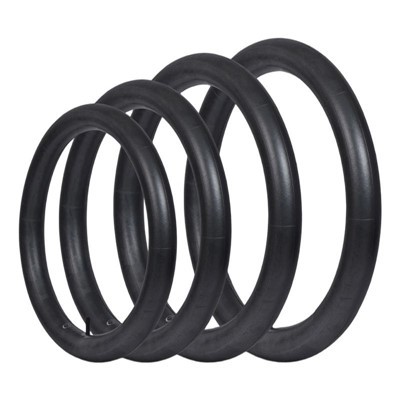
First off, let’s get one thing straight: slow leaks on e-bike inner tubes aren’t the same as old-school regular bike tubes. E-bikes are heavier, they put way more strain on tires, and their tubes are built to handle extra voltage and weight, so they have specific weak spots. A lot of folks make the mistake of patching a tiny puncture and calling it a day, only to have the leak come back in 2 days. Not cool. Let’s start with the simplest, most obvious first step because you’d be surprised how many people skip it: figuring out where the leak is coming from.
Wait, I know—you think you know, but slow leaks are tricky. A nail stuck in the tire tread can sit there for weeks, only pushing in just enough to leak air super slowly. Or sometimes the leak is actually in the tire itself, not the tube. So before you yank the tube out and start poking it, let’s do the bubble test, okay? Here’s how you do it, real quick: deflate the tube all the way (squeeze the valve, hold it down for 10 seconds, no shortcuts), then submerge it in a bucket of warm, soapy water—old dish soap works, no need for fancy stuff. Move it around, look for tiny bubbles. If you see one? That’s your spot. If not, the leak might be from the valve, or it’s a tiny pinch you missed. Pro tip: don’t hold the whole tube under at once, walk it around slowly—small leaks barely make bubbles if you go too fast.
Now, let’s run through the most common slow leak culprits, in order of how often I see ’em, and what to do for each. First up: the tiny puncture from road debris. A glass shard, a tiny piece of metal, even a thorn that didn’t fully go through the first time. This is the easiest fix… if you do it right. A lot of people grab a cheap patch kit from the gas station and slap a patch on, but e-bike tubes need a little more prep. Here’s my go-to process for patching these: once you find the puncture, mark it with a pen, then use sandpaper (the fine grit one that comes with kits, or even a nail file if you lost it) to rough up the area around the hole—big enough to cover the patch, like a quarter-sized spot. Don’t just rub it once, do 10-15 seconds, you want the surface to look dull, not shiny. Wipe it with the alcohol pad (another kit staple) to get all the dirt and oil off—skiing this step is why patches fall off. Then let it dry for 30 seconds. Next, peel the patch, apply it firmly, use the metal roller (or even the edge of a coin) to press it from the center out—squeeze every last air bubble out, or it’ll leak. Wait the full time the patch says on the package—some take 5 minutes, some take 10. Don’t inflate it right away, I’ve ruined more patches by rushing this than I can count.
Next super common slow leak: valve issues. The valves on e-bike inner tubes are usually presta, right? Because they hold air better for higher pressure, which e-bikes need. I see three valve problems all the time: first, the valve core is loose. If you didn’t tighten it after pumping, or it vibrated loose from riding over potholes, air seeps out slowly. To check, use a valve tool (or even a small wrench) to give it a quarter turn—if it was loose, that’s your fix. Second, the valve core is damaged. If tightening it doesn’t help, that’s when you need to replace the core—super easy, just unscrew the old one, put a new one in, tighten it. Third, the tube around the valve stem has a tiny crack. This happens when you overinflate the tube, or pinch it when putting the wheel back on. For that, you either can patch around the valve (make sure to rough the area extra good, since it’s a thicker spot) or if the crack is big, you need a new tube.
Another big one I bet you’ve never thought about: pinch flats that turned into slow leaks. E-bike riders are usually carrying extra weight (ourselves, our gear, maybe groceries) so when you hit a pothole or a curb too fast, you get a pinch flat. Most of the time, it’s a big hole, but sometimes it’s a tiny fold in the tube that leaks air slowly. The mistake here is patching that fold—no, you gotta cut that part of the tube out. Wait, how? Let’s say you found the leak right where a pinch flat would be: deflate the tube, stretch it out, look for a thin, creased spot. Cut that out with a sharp razor, then patch the hole you just made with a regular patch? Wait no, better to use a tube plug for this, or if it’s a small cut, the patch works, but make sure you stretch the tube a little when you apply the patch so it stays tight. If the cut is longer than an inch, just replace the tube—pinch flats on e-bike tubes are way more likely to get worse over time than on regular bikes.
Now, let’s talk about when patching just won’t cut it. I get a lot of customers sending their tubes back saying “I patched it twice and it still leaks” and 9 times out of 10, the leak is way bigger than a tiny puncture. Or the tube has multiple small leaks—like it’s been rubbing against the rim’s sharp edges (rim tape worn out, anyone?). If that’s the case, patching every hole is a band-aid, not a solution. You either need to replace the rim tape (so the tube doesn’t get rubbed raw) or just swap the whole tube. E-bike inner tubes aren’t that expensive, and fixing that ongoing leak will save you so much hassle down the line.
Wait, let’s throw in a pro tip I learned the hard way: after you fix a slow leak (patch, replace valve, whatever), don’t just pump it up and stick the wheel back on. Do the bubble test again on the repaired tube. I’ve patched a tube, put it back on the bike, pumped it up, only to realize I missed a tiny bubble that means I gotta do the whole thing over. Takes an extra 2 minutes, saves you a lot of frustration.
Also, let’s chat about prevention, because slow leaks are way easier to stop than fix. First, check your tire pressure every week. E-bike tires need way more pressure than regular bikes—usually 40-60 PSI, depending on your bike. If it’s underinflated, the tube rubs more, gets more pinches, more leaks. Second, check your rim tape every time you change a tube. If it’s cracked or shifted, replace it. Sharp rim edges are the #1 cause of weird, recurring slow leaks that people can’t track down. Third, don’t overpump. E-bike tubes are built to handle pressure, but overinflating makes them stretch, weakens the material, and leads to tiny leaks over time.
Wait, I know some of you are gonna say “but what about sealant?” Oh right, tube sealant—some riders use it for flats, but for slow leaks? Proceed with caution. If you use sealant, make sure it’s compatible with e-bike inner tubes. Some cheap sealant can eat away at the tube’s material, especially the butyl rubber ones we use for most standard e-bike tubes. If you do use it for a tiny leak, only use a small amount—too much and it clogs your valve, which is a whole other problem.
Let me be real with you, though: I’ve seen customers try to patch a tube that has a leak from the tube rubbing against the rim, or a tear from a big rock, and it just doesn’t work. A lot of new e-bike riders don’t realize that e-bike inner tubes have specific durability needs—they’re thicker, they’re built to handle extra weight, so using a random inner tube from a regular bike isn’t gonna cut it. That’s why so many people end up with slow leaks that won’t go away—they’re using the wrong tube.
Now, if you’ve tried all this, did the bubble test, patched it, checked the valve, fixed the rim tape, and you’re still getting a slow leak? It’s probably time to replace the inner tube. And hey, that’s not a bad thing—we sell e-bike inner tubes designed to handle all the extra strain, so you won’t be dealing with the same leak 2 weeks later. No more guessing, no more sitting around with a squishy tire.
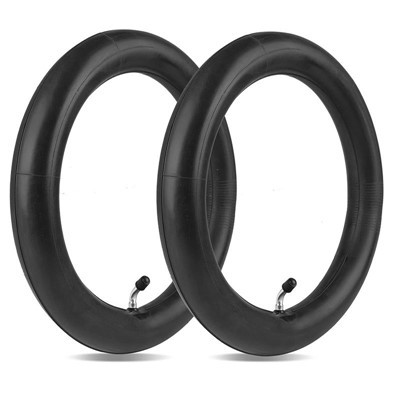
Wait, one last thing: don’t ignore a slow leak. I know it’s only a little soft, but over time, that tiny leak can turn into a flat mid-ride, which is way worse when you’re on an e-bike that weighs 50+ pounds. Take 10 minutes to check it now, and you’ll save yourself hours of hassle later.
Motorcycle Tube If you’re tired of dealing with recurring slow leaks, or you just need a reliable replacement inner tube that’s built for e-bikes, hit us up to talk procurement. We’ve got all the sizes you need, and we’re happy to answer any questions about fitting, maintenance, or fixing those stubborn leaks. No awkward sales talk, just real info for e-bike riders.
References
- E-Bike Safety and Maintenance Guidelines, Bicycle Product Safety Association
- Inner Tube Patching and Repair Techniques, National Bicycle Dealers Association
- Valve Maintenance for High-Pressure Bicycle Tubes, Cyclist Magazine Technical Archive
Jiangxi Vimia Tyre Co., Ltd.
We’re well-known as one of the leading e-bike inner tube manufacturers and suppliers in China. We warmly welcome you to wholesale bulk high quality e-bike inner tube in stock here from our factory. If you have any enquiry about quotation, please feel free to email us.
Address: Zone C, Industrial Park, Jinxi County, Fuzhou City, Jiangxi Province
E-mail: 17779452635@139.com
WebSite: https://www.cnvimia.com/
