In the realm of electrical safety and quality control, a Hipot tester stands as an indispensable tool. As a supplier of Hipot testers, I’ve witnessed firsthand the crucial role these devices play in ensuring the safety and reliability of electrical products. In this blog, I’ll share insights on how to effectively use a Hipot tester for quality control purposes. Hipot Tester
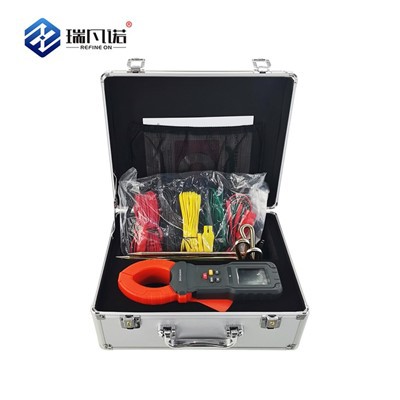
Understanding the Basics of a Hipot Tester
A Hipot tester, short for high – potential tester, is designed to perform dielectric withstand tests. These tests are essential for verifying the insulation integrity of electrical equipment. When an electrical device is in use, its insulation prevents current from flowing where it shouldn’t. A faulty insulation can lead to electrical shocks, short circuits, and even fires.
The principle behind a Hipot tester is relatively straightforward. It applies a high voltage to the device under test (DUT) for a specified period. If the insulation is intact, only a very small leakage current will flow. However, if there are any insulation defects, the leakage current will increase significantly, indicating a potential safety hazard.
Pre – Test Preparations
Before using a Hipot tester, several preparations are necessary to ensure accurate and safe testing.
1. Familiarize Yourself with the Tester
Each Hipot tester may have different features and operating procedures. Read the user manual thoroughly to understand the functions of the control panel, such as voltage adjustment, time setting, and current measurement. Familiarize yourself with the safety features, like the emergency stop button, which can be crucial in case of an unexpected situation.
2. Inspect the DUT
Visually inspect the device under test for any obvious signs of damage, such as cracked insulation, loose wires, or exposed conductors. If any damage is found, the DUT should be repaired or discarded before testing.
3. Set Up the Testing Environment
Choose a well – ventilated and dry area for testing. Ensure that the testing area is free from any flammable or explosive materials. The DUT should be placed on an insulating surface to prevent any electrical grounding issues.
4. Connect the Tester to the DUT
Connect the high – voltage output of the Hipot tester to one part of the DUT, usually the live conductor, and the ground lead to the ground terminal of the DUT. Make sure the connections are secure to avoid any arcing or false readings.
Performing the Hipot Test
Once the preparations are complete, it’s time to perform the Hipot test.
1. Set the Test Parameters
The two main parameters to set are the test voltage and the test time. The test voltage should be determined based on the specifications of the DUT. For example, for low – voltage electrical appliances, a test voltage of 1000V to 1500V may be appropriate, while for high – voltage equipment, the test voltage can be much higher.
The test time is typically set between 1 minute to 5 minutes. A longer test time can provide more reliable results, but it also increases the testing time.
2. Start the Test
After setting the parameters, start the test. The Hipot tester will apply the specified voltage to the DUT. Monitor the leakage current during the test. If the leakage current exceeds the pre – set limit, the test is considered a failure, indicating a possible insulation defect in the DUT.
3. Observe the DUT
During the test, carefully observe the DUT for any signs of arcing, smoking, or unusual noises. These are clear indications of insulation breakdown and should be addressed immediately.
4. Record the Results
Record the test results, including the test voltage, test time, and the measured leakage current. This information can be used for quality control purposes, such as tracking the performance of different batches of products or identifying potential manufacturing issues.
Post – Test Procedures
After the test is completed, there are several important post – test procedures.
1. Discharge the DUT
After the test, the DUT may still hold a charge. Use a proper discharge tool to safely discharge the DUT to prevent electrical shocks.
2. Analyze the Results
If the test is successful, the DUT can be considered to have passed the insulation test. However, if the test fails, further investigation is required. Determine the cause of the failure, such as a manufacturing defect or damage during handling.
3. Calibrate the Tester Regularly
To ensure the accuracy of the test results, the Hipot tester should be calibrated regularly. Calibration involves comparing the tester’s readings with a known standard. This helps to maintain the reliability of the tester over time.
Quality Control Applications of Hipot Testing
Hipot testing plays a vital role in quality control across various industries.
1. Manufacturing
In the manufacturing process, Hipot testing is used to ensure that each product meets the required safety standards. By testing every unit, manufacturers can identify and eliminate defective products before they reach the market. This helps to reduce the risk of product recalls and improve customer satisfaction.
2. Maintenance
For electrical equipment in use, regular Hipot testing can detect insulation degradation over time. This allows for timely maintenance and replacement of components, preventing potential electrical failures and safety hazards.
3. Certification
Many electrical products need to be certified to meet certain safety standards. Hipot testing is often a part of the certification process. By providing accurate test results, manufacturers can obtain the necessary certifications for their products.
Tips for Effective Hipot Testing
Here are some tips to ensure effective Hipot testing:
1. Train Your Staff
Proper training is essential for anyone using a Hipot tester. Make sure your staff understands the principles of Hipot testing, the operation of the tester, and the safety procedures.
2. Use the Right Tester
Choose a Hipot tester that is suitable for the type of products you are testing. Consider factors such as the maximum test voltage, current measurement range, and the available features.
3. Follow the Standards
Adhere to relevant safety standards and regulations when performing Hipot tests. This ensures that your testing process is consistent and reliable.
Conclusion

Using a Hipot tester for quality control purposes is a critical step in ensuring the safety and reliability of electrical products. By following the proper procedures for pre – test preparations, test execution, and post – test analysis, you can effectively identify insulation defects and prevent potential safety hazards.
Transformer Tester As a Hipot tester supplier, I’m committed to providing high – quality testers and comprehensive support to our customers. If you’re interested in purchasing a Hipot tester or have any questions about Hipot testing, please feel free to contact us for a detailed discussion. We look forward to working with you to improve the quality and safety of your electrical products.
References
- Electrical Safety Standards Handbook
- Hipot Tester User Manuals
Refine On (Hebei) Electric Power Technology Co., Ltd.
Refine On (Hebei) Electric Power Technology Co., Ltd. is one of the most reliable hipot tester manufacturers and suppliers in China, also supports customized service. Please feel free to wholesale advanced hipot tester at competitive price from our factory. Contact us for quotation.
Address: Building 13, Liandong U Valley, No.64, Jing SAN South Street, Economic Development Zone, Mancheng District, Baoding City, China
E-mail: victor@transformer-test.com
WebSite: https://www.transformer-test.com/
