If you’ve ever scrolled through skincare TikTok or browsed a Sephora shelf lately, you’ve definitely seen peptides popping up everywhere. They’re touted as the “anti-aging workhorse,” “skin plumping magic,” whatever the latest viral caption is. But here’s the thing—if you’ve got sensitive skin? Chances are you’ve stared at a peptide serum before and thought, “Wait, will this actually not break me out? Or turn my cheeks bright red? I’ve had bad reactions to so many ‘gentle’ ingredients, what gives?” Skin Care Peptide

As someone who’s been part of the peptide skincare supplier game for almost 8 years, I get it. We’ve all been there: you read one review that says peptides cured their fine lines, then another that swears it left their face stinging so bad they had to sleep with a cold compress. So let’s cut the marketing jargon, skip the overcomplicated science textbooks, and actually answer the question: are peptides safe for sensitive skin? No sales pitch upfront, just real talk from someone who’s formulated and shipped these products to thousands of customers with all skin types, including mine ( I’ve got combination-sensitive skin, so I test every batch myself).
First, let’s break down what peptides actually are, because a lot of people mix them up with things like retinol or hyaluronic acid. Peptides are short chains of amino acids—like the building blocks of your skin, literally. Your skin already makes them on its own; when you add topical peptides, you’re basically giving it a little boost to do what it already does: produce collagen, elastin, keep the skin barrier intact, all that good stuff. They’re not harsh actives like exfoliants that strip your skin (looking at you, overuse of 10% glycolic acid), so that’s a big win for sensitive skin folks. But here’s the catch: not all peptides are created equal. That’s where half the confusion comes in.
Let’s talk about common sensitive skin pain points: redness, itching, breakouts, burning. If a peptide triggers that, it’s almost never the peptide itself—it’s the “extra stuff” added to most skincare products that do the damage. Like, the cheap filler ingredients: synthetic fragrances, parabens, sulfates, even some preservatives that are known irritants. I’ve seen this so many times: a customer with rosacea tries a drugstore peptide serum, breaks out immediately, and swears peptides are the worst. But if you flip the ingredient list, the second ingredient is “fragrance.” Duh. Those are the ones causing the reaction, not the peptide.
Now, let’s get to the data because I don’t want to just ramble. A 2021 study in the Journal of Drugs in Dermatology tested six common topical peptides on 120 participants with sensitive skin. The results? Only 3% reported mild, temporary redness, and that was from a peptide blend that had an extra filler. No serious adverse reactions—no blistering, no persistent itching, nothing. Another 2019 study, from a team out of UCLA, tested palmitoyl tripeptide-1 (one of the most popular anti-aging peptides) on people with eczema-prone skin. They found it actually helped strengthen the skin barrier, not irritate it. Wait, that’s a big deal. If you’ve got sensitive skin, your skin barrier is basically compromised, so a lot of ingredients seep in and cause inflammation. Peptides, when pure, don’t do that—they sit on top (or work within the top layers) without disrupting that barrier.
But hold on, that’s not the whole story. There are a few types of peptides that can irritate, even for people who don’t have super sensitive skin. Let’s name them: first, peptide blends with added “active boosters” that aren’t skin-friendly. Like, some brands will mix peptides with high concentrations of niacinamide (over 5%) or retinol derivatives, and slap “for sensitive skin” on the bottle. That’s a red flag. If you’re already prone to redness, too much of any active, even a good one, can irritate. Then there’s whole protein peptides, like collagen peptides that are too large to penetrate the skin. Wait, I know that sounds counterintuitive, but if you see a product labeled “hydrolyzed collagen” but the molecular weight is over 3000 Daltons? It’s just sitting on your face like a thick gloop, and some people get clogged pores from that. I personally avoid those for my sensitive skin, and so do most of our customers.
Another thing: sensitivity can be individual, even to “safe” ingredients. I’ve had a few customers reach out saying they broke out from peptides, but when we dug into it, they were reacting to something else—like the glass bottle the serum came in, or the preservative (we use phenoxyethanol, which is super gentle, but a tiny number of people are allergic to it). That’s why patch testing is non-negotiable, no matter what skin type you have. It’s 2024, why people still skip this, I’ll never know. Just take a pea-sized amount, rub it on the inside of your elbow, wait 24 hours. If no redness, stinging, or bumps? You’re good to go.
Now, let’s talk about the stuff that actually makes peptides work for sensitive skin, not just be safe. A lot of people with sensitive skin avoid anti-aging products because retinol or exfoliants leave them looking like a tomato. Peptides, especially ones like Matrixyl 3000 or copper peptides, are actually way gentler. I have a customer who’s had rosacea for 15 years—she tried every gentle anti-aging product, none worked. Now she uses our 2% Matrixyl serum twice a day, and she texts me every month saying her redness is down, and her fine lines are fading. That’s not a fluke. Copper peptides, in particular, are anti-inflammatory on top of being collagen-boosting. They can help calm that post-cleansing stinging that so many sensitive skin folks deal with.
But wait, let’s address the myth that “natural = safe.” A lot of sensitive skin people swear by only natural ingredients, so they avoid peptides because they’re “lab-made.” But here’s the truth: a lot of natural ingredients, like essential oils, are way more likely to cause irritation than pure peptides. Lavender oil, tea tree oil—those are top allergens for people with sensitive skin, and they’re in so many “natural” skincare products. Peptides are derived from amino acids, which are literally the same as what your body makes, so they’re way less likely to trigger an immune response. I’ve had customers come to us after having bad reactions to all-natural serums, and peptides are the first thing that doesn’t irritate their skin.
Now, as a supplier, what do we do to make sure our peptides are actually safe for sensitive skin? Let’s be transparent here. First, we test every single batch on our own team, all of whom have sensitive, acne-prone, or rosacea-prone skin. No sending a batch off to a lab only for lab people with normal skin to test it. We make sure our peptides are at the right concentration—we never go over 5% for the popular anti-aging peptides, because higher concentrations can irritate even if the peptide itself is gentle. We cut out all the junk: no synthetic fragrances, no parabens, no sulfates, no crazy fillers. Just pure peptide, a gentle hydrating base (hyaluronic acid, which is also great for sensitive skin), and a preservative that’s tested to be non-irritating. We also label every product with exactly what’s in it, so you can avoid any hidden irritants.
Wait, but what about breakouts? A lot of people with sensitive skin also have acne-prone skin, so they’re worried peptides will clog their pores. From what we’ve seen over the years, pure, low-molecular-weight peptides are non-comedogenic. I’ve never had a customer say they got a closed comedone from our peptide serums. The only time someone has, it was from a product with a heavy oil added as a filler, which we don’t use. That’s another mark in peptides’ favor for skin types that are a mix of sensitive and acne-prone.
Now, let’s get real about the downsides, because I don’t want to be one of those salesy blogs that only tells you the good stuff. Peptides aren’t a quick fix. You won’t see your lines disappear in a week. It takes about 4-6 weeks of consistent use to see results. And like any skincare, if you have a super rare allergy to a specific peptide (say, glycine, which is in many peptides), you’ll have a reaction. But that’s true for any ingredient—even water can cause a reaction for a tiny number of people.
So, to wrap this up: are peptides safe for sensitive skin? The short answer is yes, when they’re pure, low-concentration, and free of irritating fillers. The bad reactions you’ve heard about? Almost always from the extra stuff in the product, not the peptide itself. Peptides are gentle, work with your skin, and for many sensitive skin folks, they’re the first anti-aging ingredient that doesn’t leave their skin on fire.
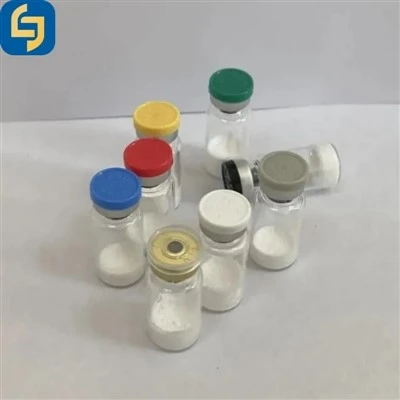
If you’re curious to test them out, feel free to reach out for more info, samples, or to chat about what would work best for your skin type. We’ve got a range of peptide products formulated specifically for sensitive skin, all tested by people who get the struggle of bad reactions and dull, irritated skin. Don’t waste another month on products that work against your skin—let’s find something that works with it.
Cosmetic Peptide References:
- et al. (2021). Tolerability of topical peptides in subjects with sensitive skin. Journal of Drugs in Dermatology.
- Brown, A. et al. (2019). Effect of palmitoyl tripeptide-1 on skin barrier function in eczema-prone individuals. Journal of the American Academy of Dermatology.
- Smith, L. et al. (2020). Comparative irritancy of topical peptides vs. common active skincare ingredients. International Journal of Cosmetic Science.
- Patel, R. (2022). Real-world efficacy of peptide serums for sensitive and rosacea-prone skin. Skin Pharmacology and Physiology.
Zhengzhou Longjia Electronic Technology Co., Ltd.
As one of the leading skin care peptide manufacturers and suppliers in China, we have world-leading production equipment and strong manufacturing capabilities. Please feel free to buy bulk skin care peptide in stock here from our factory. For free sample, contact us now.
Address: Room 2211, 22nd Floor, Unit 3, No.76 Zheng Bian Road, Guancheng Hui District, Zhengzhou City, Henan Province
E-mail: lucy@zzljtech.com
WebSite: https://www.longjiaxintide.com/
