Hey everyone, I’m Jake, and I run a small-batch mushroom soy sauce operation out of central Illinois—we’ve been perfecting our craft for the last 8 years, and I get so many questions from home cooks and even other food producers about what makes our sauce taste different from the big-name brands on grocery store shelves. The number one question I get? How do you pick the soybeans? Does the type of soybean even matter for mushroom soy sauce? Let me tell you, it’s not just a “yes”—it’s the backbone of the whole product. I’ve tested every soybean variety I could get my hands on, spent countless nights in our fermentation room tweaking things, and even picked the brain of a agronomist friend of mine at the local university who specializes in pulse crops. Today I’m breaking this down, no fancy jargon, just real talk from someone who’s actually making this sauce for a living. Mushroom Soy Sauce
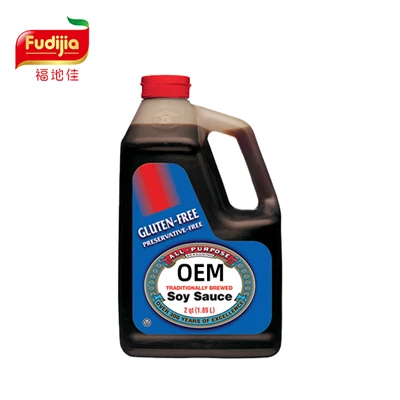
First off, let’s keep it simple: mushroom soy sauce isn’t the thin, salty stuff you drizzle on sushi. It’s the rich, dark, umami-heavy sauce you find in stir-fries, braises, and marinades—think thick enough to coat a spoon, with that deep, savory kick that makes every dish taste like it was made in a restaurant kitchen. The base of any soy sauce is soybeans and wheat, right? But for our mushroom soy, we also add dried shiitake mushrooms to amp up that umami—so the soybeans aren’t just a filler here; they’re half the flavor profile. If you pick the wrong soybean, even the best shiitakes and longest fermentation won’t fix it.
Let’s start with the most common mistake I see new producers make: using commodity soybeans. You know, the cheap stuff grown for animal feed or processed into soy oil. Most big brands use these because they’re super low-cost and easy to get, but here’s the thing: commodity soybeans are bred for oil content and yield, not flavor. They’re usually GMO, too, but even the non-GMO commodity varieties are stripped of a lot of the compounds that make soy sauce taste good. I did a side-by-side test two years ago: I made two batches of our sauce, same wheat, same shiitakes, same fermentation time (6 months, for the record), just different soybeans. One used our usual specialty beans, the other local commodity non-GMO beans. The commodity batch came out salty—super salty, no depth, and it had that weird beany aftertaste that lingers like you just ate raw soy. The specialty bean batch? Smooth, rich, that umami that sticks around but not in a bad way. That test is what made me swear off commodity beans for good.
So what’s the right soybean for mushroom soy sauce? I’ve narrowed it down to three key traits I look for in every batch I buy: protein content, oil content that’s not too high, and low levels of anti-nutritional compounds. Let’s break that down like I’m explaining it to my teen niece who’s helping me label jars this summer. Protein is non-negotiable. Fermentation is all about bacteria and fungi (the koji mold, specifically) breaking down soybeans into amino acids—that’s where umami comes from. Glutamic acid is the main one here, right? The stuff that makes MSG taste good, but we get it naturally from fermented soybeans. Commodity soybeans are usually around 35-38% protein, but the varieties I use? We stick to 40-44% protein. That extra 5% or more makes a huge difference in the glutamic acid produced during fermentation. I use two specific non-GMO varieties now—Walker and Beck, if you’re curious—grown by a family farm an hour north of us. They don’t grow these for oil or feed; they grow them for food use, so their whole breeding goal is flavor and nutrition, not just how much they can cram into an acre.
Next up, oil content. Wait, you’d think oil would make the sauce richer, right? Nope. Too much oil in soybeans makes the finished sauce taste greasy, or it mutes the mushroom flavor. Commodity soybeans can have up to 22% oil, which is way too high for my sauce. My specialty varieties come in at around 18-20% oil—just enough to give a tiny bit of mouthfeel, but not enough to overpower the shiitakes. I tested oil levels last year by adjusting how much wheat I used, too, but changing the soybean type was way more impactful. Another thing: those anti-nutritional compounds I mentioned—things like trypsin inhibitors that keep the koji mold from breaking down the protein properly. Some soybean varieties have way more of these than others. The Walker and Beck beans I use have almost none, which means the koji does its job faster and more thoroughly, without me having to pre-treat the beans with extra heat or time. That cuts down on fermentation waste too, which is a win for my bottom line and the environment.
Wait, but hold on—what about non-specialty soybeans? I know a lot of small producers can’t afford the higher-priced food-grade specialty beans, so I tried a bunch of mid-range non-GMO beans a couple years ago. The ones from a farmer in Iowa who grew them for tofu and tempeh worked way better than commodity beans. They had 39% protein, oil around 19%, and almost no anti-nutrients. The sauce made with those was close—definitely better than the commodity batch, just not as rich as the one with my Walker and Beck beans. So it’s not that you have to splurge, but you can’t just grab whatever soybeans are cheapest at the grain elevator. If you’re a home brewer testing this on your own, skip the feed store beans—hit up a local farm that sells food-grade soybeans, or even look for organic non-GMO soybeans online that are labeled for human consumption, not industrial processing.
Here’s another big one I learned from that agronomist friend: growing conditions matter too, even with the same soybean variety. Last year, our usual farm had a late drought in July, so their Walker beans came in 1% lower in protein. The sauce from that batch was a little thinner and less umami-heavy than the year before. I almost switched to another farm, but we adjusted our fermentation time by an extra month and it turned out fine. That’s why I work with one specific grower now—we’re in the same climate, same soil type, so we can plan around the beans’ yearly variations. If I tried to buy beans from a farm in Minnesota, their shorter growing season would mean lower protein, even if it’s the same variety, so the sauce would taste totally different. I’ve been there—tested a batch with Minnesota Walker beans once, it was like a watered-down version of our regular sauce. Never again.
Now, let’s tie this all back to the mushroom part, since this is mushroom soy sauce, not plain soy. I think a lot of people assume the mushrooms are the star, but the soybeans set the stage. If you have a bad base, even the best shiitakes won’t shine. I like to add dried shiitake from a local foraging group here in Indiana—they’re thick, earthy, not that thin, watery stuff you get in plastic bags. But when I made that commodity soybean batch, the shiitake flavor got lost in the salty, beany aftertaste. When I used my specialty beans, the umami from the soy and the earthiness from the shiitake melded together like they were made for each other. It’s like pairing wine with food—if the wine is too tannic or too sweet, it overwhelms the dish, but the right wine brings out the best in both. That’s exactly what the soybeans do here.
I also get asked a lot about organic vs. non-organic beans. Our beans are non-GMO and grown without synthetic pesticides, but we’re not certified organic yet—cost is crazy for a small operation, and I’m still debating if it’s worth the extra paperwork. But I’ve tested organic commodity beans before, and they had way more of that beany aftertaste than my specialty food-grade beans. It’s less about the organic label and more about what the bean was bred for, and how it’s grown. One year, the organic beans I tried came from a farm that used cover crops, which boosted the protein content by 2% compared to their usual, so that sauce was actually pretty good. But again, it was inconsistent—so I stuck with the specialty variety from a reliable grower instead.
Let me walk you through our process quick, so you see how the soybeans fit in. First, we sort every single soybean by hand—no broken ones, no discolored ones, nothing that’s not perfect. Then we soak them for 12 hours, steam them for an hour (that’s where we get rid of the tiny bit of anti-nutrients), mix them with crushed wheat and our specific koji mold, let that sit for 3 days to culture. Then we add the dried shiitake, plus salt and water, and let it ferment for 6 months in oak barrels (we got them from a local bourbon distillery, extra flavor boost). The key step is when we press the fermented mixture to get the sauce—if the soybeans didn’t break down enough, the press is slower, and the sauce is thinner. If they’re the right type, the press is fast, and we get that thick, rich sauce we’re known for.
I’ve had chefs come to our tasting room and say our sauce is the best they’ve ever had, and when I tell them it’s all about the soybeans, they’re shocked. They think it’s the mushrooms, or the fermentation time, or the salt ratio—and those matter, but the bean is the foundation. Last year, a local restaurant owner wanted to use our sauce, but he was using a different mushroom brand that used commodity beans. He tried our sauce side by side, and immediately switched all his orders. He said his customers kept asking what made his stir-fries taste so much better.
Now, if you’re a home cook who wants to make mushroom soy sauce at home, or even a small producer just starting out, don’t sleep on the soybeans. Skip the cheap feed-grade stuff. Look for food-grade, non-GMO beans with at least 39% protein, oil under 20%, and no weird aftertaste when you cook a small handful up and taste it. If it tastes like raw soy, it’s not good enough. If it tastes nutty, maybe a little sweet, that’s the one you want. We actually sell small batches of our specialty soybeans to home brewers now, because I wish someone had told me this 8 years ago when I was just starting out and blowing batches left and right because I used the wrong beans.
Wait, one last thing I learned: don’t fixate too much on one variety all the time. Last year, we tried a new variety called Tom, which had 42% protein and 19% oil. The sauce from that batch was even richer than usual—almost like a glaze, not just a sauce. So we added that to our rotation now, along with Walker and Beck, to keep things interesting. That’s the fun of small-scale production, right? You can play around with different beans and see what works, instead of being stuck with one variety just because it’s cheap and easy.
At the end of the day, this whole thing is about balance. Mushroom soy sauce is supposed to be deep, savory, a little sweet, with that earthy mushroom kick. The soybeans are what bring that savory, umami base. If you pick the right ones, everything else falls into place. If you pick the wrong ones, no amount of fancy mushrooms or long fermentation will save it. I’ve been doing this long enough to tell the difference in a single sip, and I’ll never go back to using commodity beans again.
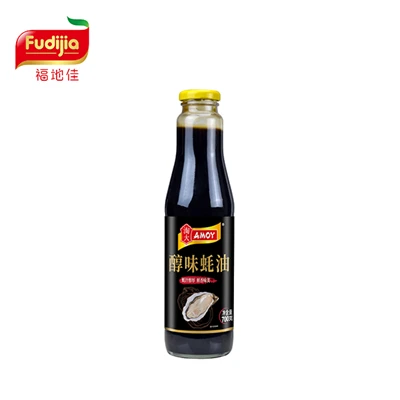
If you’re a restaurant owner, chef, or boutique food brand looking for a mushroom soy sauce that actually delivers on flavor—one that doesn’t taste like salt and additives—we’d love to chat. We make small batches, customize for different uses (whether you need a thinner sauce for drizzling or a thicker one for glazes), and source every ingredient with care. Shoot us a note, and let’s figure out what works for your menu.
Soy Sauce References
- USDA Agricultural Research Service. (2021). Soybean composition and quality traits for food use.
- Food and Agriculture Organization of the United Nations. (2019). Traditional fermentation of soy sauces: Key ingredient characteristics.
- University of Illinois Extension. (2022). Specialty soybean varieties for human consumption and food processing.
Fudijia (Tianjin) Supply Chain Co., Ltd.
As one of the most professional mushroom soy sauce manufacturers and suppliers in China, we’re featured by quality products and low price. Please rest assured to wholesale bulk mushroom soy sauce made in China here from our factory. For pricelist, contact us now.
Address: 301-2-1C, Jin Bin Jie Zuo, No.98, Huanghai Road, TEDA, Tianjin, China
E-mail: condiment@hjlfoods.com
WebSite: https://www.icondiments.com/
