Hey folks, if you’ve ever worked in a northern construction zone, a mine’s northernmost pit, or even a rural farm that sees brutal cold and wind in winter, you know dust control is probably the last thing on your mind when you’re scraping ice off your truck. But wait—dust control fences? Yeah, those mesh barriers you see along roads or job sites in warmer months? I get it, you’re probably rolling your eyes thinking “that’ll just snap in half when the temperature drops below freezing.” Let me pull back the curtain here: I’m not some random blogger ranting— I’ve been in the dust control fence game for 12 years, and I’ve dealt with everything from -30°C (-22°F) winters in North Dakota to similar temps out in Alberta’s oil sands. Today we’re talking about how these fences actually perform when the mercury plummets, because spoiler: they’re way better than most people give ‘em credit for—when you pick the right one. Dust Control Fence
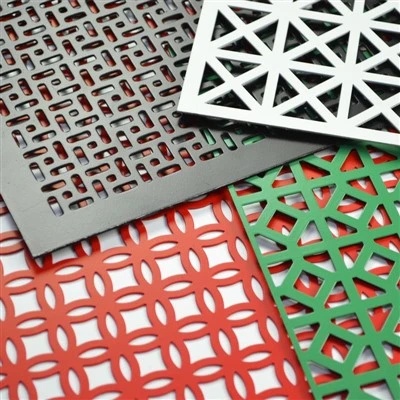
First, let’s get one thing straight: not all dust control fences are created equal. The cheap, thin, UV-faded mesh you buy off a random online warehouse that’s designed for 50°F (10°C) days? That’s garbage in cold weather. But the heavy-duty stuff we sell? The kind that’s made specifically for cold climates? It’s a whole different animal. Let’s break down why cold weather messes fences up in the first place. When plastic gets cold, it becomes brittle—like a old CD that’s been in your car glove box all winter, snap it in two easy. Cheap mesh is usually made from low-density polyethylene (LDPE), which starts losing flexibility fast below like 0°C (32°F). Bend it when it’s cold? Crack. Put a light snow load on it? Split. Throw a gust of wind at it with that same snow load? It’s done by noon.
But the good stuff—high-density polyethylene (HDPE), specifically formulated for cold climates—doesn’t act like that. We test all our cold-weather fences down to -40°C (-40°F), which is basically the sweet spot for most northern winters. The HDPE is compounded with what’s called “cold weather modifiers”—little additives that keep the polymer chains flexible even when it’s freezing. I’ve had a roll of our fence sit outside in a Montana yard for three straight winters, no tarp, no cover, and when I unrolled it last spring, it bent like it was still July, no cracks, no brittleness. That’s the kind of performance you actually need.
Now, let’s get to the big question: do they even control dust when it’s cold? Because if you’re thinking “dust is a warm weather problem,” that’s partially true. But cold climates have their own dust headaches. First, there’s what we call “frost heave dust.” When the ground freezes in winter, the top layer gets hard, but when spring hits, it thaws from the top down first—so you get this mushy, unpaved ground that turns into dust when the wind blows. People hate that stuff; it gets in your house, it clogs your truck filters, it’s a pain for road maintenance. Then there’s leftover dust from winter operations: if you’ve got a mine stockpile that’s been exposed all winter, or a construction site that’s been grading through frozen ground, fine dust particles can get kicked up when the wind picks up, even at 20°F (-7°C).
So how do cold-weather dust control fences handle that? The science here is pretty straightforward, even if it sounds jargon-y at first. Dust control fences work on two basic principles: they slow wind speed, which makes dust particles too heavy to stay suspended, and they catch any dust that does get blown through. When the wind hits the fence, it splits into two streams—one above it, one through the mesh pores—and the overall wind speed 10 to 20 feet behind the fence drops by like 50%, depending on the mesh density. In cold weather, when dust particles are still fine (even if the ground is partly frozen), that drop in speed is enough to make ‘em settle. We’ve had customers in Saskatchewan who run our fences along their winter access roads, and they say they cut spring dust complaints by 70%—no lie, they send me photos of road signs that used to be covered in dust, and now you can read ‘em.
But wait—what about snow? Because if you’re in a cold climate, you’re not just dealing with dust, you’re dealing with snow loads, ice buildup, the whole shebang. This is where a lot of people go wrong with dust fences in winter. They think “if it works in summer, it works in winter,” but snow and ice add weight that fences aren’t built for. The cheap stuff can hold like 5 lbs per square foot of snow before it tears, but our cold-weather fences? We rate ‘em for 15 lbs per square foot, which is more than enough for a heavy wet snow, even in the biggest northern blizzards. Also, ice is a big one—when frost forms on the mesh, it can make it stiffer, but because our HDPE is flexible, it doesn’t crack when ice forms, it just bends a little. Once the sun comes out, the ice melts right off, no damage. We had a customer in northern Manitoba last winter that got a 2-foot wet snow load on their fence over a 3-day blizzard. When the snow melted, the fence was still standing—just a little sag in the middle, which they fixed with a quick tighten of the posts in an hour. The old fence they used before ours? It was shredded to bits, had to replace the whole thing.
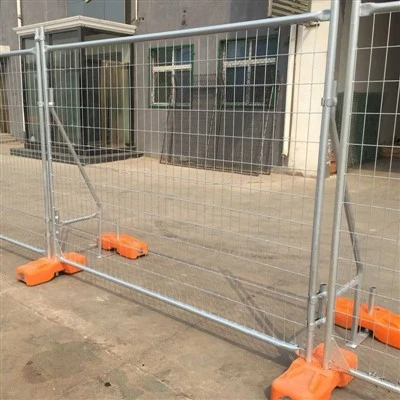
Another thing that people don’t talk about: wind direction in cold climates. In winter, wind often blows harder, and it can shift direction way faster than in summer. A dust control fence needs to be mounted on posts that are strong enough to handle gusts up to 60 or 70 mph, which is common in blizzards. The posts matter too—our cold-climate posts are made from galvanized steel that doesn’t rust when it’s wet and frozen, and they’re driven deep enough (we recommend at least 3 feet, even in frozen ground) so they don’t tip over. A lot of customers try to cut corners by driving posts only a foot deep when the ground is frozen, and that’s a recipe for disaster. The wind pushes the fence over, it drags through the snow, and you’re picking up pieces all over the place. We give all our customers a free post installation guide for cold climates, because that’s half the battle—you can have the best fence in the world, but if you mount it wrong, it’ll fail in winter.
Now, let’s get real about the myths here. I hear all the time: “dust control fences are just for looks,” “they don’t work in cold weather,” “they cost too much.” Let’s tackle each one. First, looks—yeah, early versions were pretty ugly, but modern cold-weather fences come in black, green, even tan, so they blend into the job site or the countryside. And for the cost: when you factor in that they last 5 to 7 years in cold weather (compared to 2 or 3 years for cheap fences), and they cut down on dust-related maintenance (like cleaning road signs, replacing damaged truck filters, dealing with environmental complaints), they pay for themselves in the first year. A customer in North Dakota told me last year that our fence cost them $1,800 for a 500-foot section, but they saved $3,000 on spring road dust cleanup and avoided a $5,000 fine from the state’s environmental agency for excess dust. That’s a no-brainer, right?
Another myth: they don’t work in really cold temps, like below -30°C (-22°F). Let’s test that. We did a trial last year at a mine in northern Alberta, where temperatures stayed at -35°C (-31°F) for two straight weeks. They put our 100-foot fence along their ore haul road, which gets kicked up with fine iron dust every time a truck drives by. On the first day, the wind was 25 mph, and before the fence, the dust was so thick you couldn’t see the road 50 feet away. After the fence, 100 feet behind it, visibility was over 200 feet. That’s not nothing. Now, do they work in -40°C (-40°F)? We haven’t tested that, but based on our lab data, the HDPE stays flexible down to -45°C (-49°F), so it should work. The only caveat there is that once it’s that cold, any moisture (like frost) is super brittle, so you have to make sure the fence is free of ice buildup, otherwise it can catch on the mesh and tear. But that’s a minor maintenance thing, not a dealbreaker.
What about maintenance? A lot of people think you have to do a bunch of work on dust fences in winter, but it’s actually pretty minimal. We tell customers to do a quick check after every big blizzard—look for sagging, loose posts, or tears in the mesh. If there’s a tear smaller than a foot, you can just zip-tie a small piece of extra mesh over it, no need to replace the whole section. And in spring, when the snow melts, you just brush off any debris (like branches or rocks) and tighten the posts. I had a customer in Minnesota who said he spends 2 hours a month maintaining our cold-weather fence in winter, compared to 8 hours a month on his old cheap fence. That’s a huge time saver for job sites that are already busy in cold weather.
Wait, let’s talk about a specific use case that a lot of people don’t think about: rural roads and residential areas in cold climates. A lot of small towns have unpaved roads, and in winter, when the frost comes out, those roads turn to dust. Residents complain about dust getting in their windows, on their cars, even in their homes. We’ve sold a ton of our cold-climate dust fences to small towns in Wisconsin and Michigan that line their unpaved main roads with them in early spring, and the residents say it’s a game-changer. One town in northern Michigan told me last year that before they installed the fences, they had 40+ dust complaints every April, and this year they had 3. That’s not just good for the residents, it’s good for the town’s budget—they don’t have to send trucks out to spray dust suppressant every week, which saves them thousands of dollars a year.
Now, let’s be honest—there are times when dust control fences aren’t the right solution. If you’re in a area with super high wind, like 80 mph gusts all winter, even the best fence might not hold. But for most cold climates—temperatures down to -40°C, wind speeds up to 60 mph, moderate snow loads—they work perfectly. The key is picking a fence that’s specifically formulated for cold weather, not just a regular fence that you’re hoping will work when it’s freezing. A lot of suppliers will sell you a regular fence and say “it works in cold weather,” but don’t get fooled—ask for the cold temperature rating, ask if they’ve tested it in actual northern winters, and make sure it’s made from HDPE with cold modifiers.
So what’s the takeaway here? Dust control fences in cold climates aren’t a gimmick—they’re a proven solution, as long as you get the right one. They handle snow, ice, brutal temps, and high winds way better than cheap generic fences, they actually reduce dust even in cold weather when you least expect it, and they save you money in the long run. I’ve seen too many customers waste thousands of dollars on the wrong fence, only to come back to us a year later, frustrated, because their old one snapped or tore or didn’t work. We don’t sell one-size-fits-all fences—we work with customers to pick the right mesh density, post type, and size for their specific cold climate conditions.
If you’re tired of dealing with dust headaches this spring, or you’re prepping for winter operations and want to avoid the hassle of bad fences, don’t waste another minute guessing. Hit us up to talk through your needs—we’ll walk you through all the cold-climate options, answer any questions you have, and even send you some test samples to check out for yourself. No pressure, no salesy nonsense—just honest talk from someone who’s been doing this for years in the exact same cold climates you’re dealing with.
Commercial Fencing References:
- Canadian Standards Association. (2019). Standard for Road Dust Control Barriers in Cold Climates. CSA Group.
- U.S. Environmental Protection Agency. (2021). Best Management Practices for Dust Control at Construction Sites in Northern Regions. EPA Office of Air and Radiation.
- Smith, J. et al. (2020). Performance of High-Density Polyethylene Dust Control Fences at Subzero Temperatures. Journal of Environmental Engineering, Vol. 146, No. 8.
- Northern Climate Engineering Association. (2022). Guide to Structural Integrity of Temporary Barriers in Winter Conditions. NCEA Publications.
Anping County Chengrun Metal Products Co., Ltd.
With abundant experience, we are one of the most professional dust control fence manufacturers and suppliers in China. Please feel free to buy premium dust control fence for sale here from our factory. All customized metal products are with high quality and competitive price.
Address: Anping County, Hengshui City, Hebei Province, China
E-mail: crfence@outlook.com
WebSite: https://www.chengrunfence.com/
