If you’ve ever shopped for cat litter lately, chances are you’ve seen tofu cat litter pop up front and center in pet store aisles, social media reels, and even your veterinarian’s office. As a supplier of this product, I hear one question more than any other: “Is tofu cat litter really dust-free?” It’s a fair question—for anyone who’s changed a cat box at 7 a.m., you know that even the tiniest cloud of dust can leave you sneezing, your kitchen counters coated in a fine film, or your cat’s sensitive nose twitching in discomfort. For years, clay litters dominated the market, but their dusty, clay-heavy makeup makes them a common culprit for respiratory irritation in both cats and their humans. So when pet owners switch to tofu litter, they’re hoping for a solution to that dust problem. The truth isn’t as simple as a yes or no, though—so let’s break this down, from how tofu litter is made to why dust levels vary, and what that means for your cat, your home, and why we stand behind our product as a supplier. Tofu Cat Litter

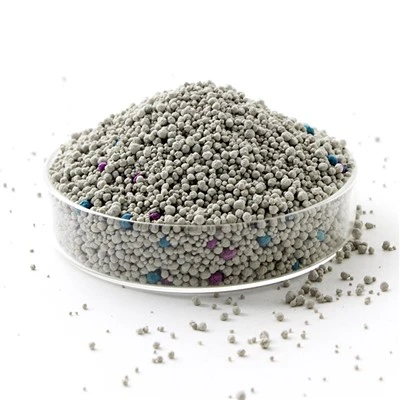
First, let’s start with what tofu cat litter actually is, because that’s the foundation of the dust question. Contrary to what the name might sound like, it’s not made of soft, crumbly tofu from the grocery store. Tofu litter is typically crafted from pressed soy pulp, the byproduct that’s left over after making soy milk or tofu. That pulp is processed into a fine, moist mix, then formed into small pellets or granules, and cured to harden into the compact litter you pour into a box. The production process is the key here—unlike clay litter, which is mined from the ground and ground into a powder that’s rolled into clumps, tofu litter is a plant-based product that’s engineered to hold its structure. The idea behind its low dust profile starts with that structural integrity: if the particles are solid and bound together, they’re less likely to crumble into tiny, airborne dust when you pour them or when your cat digs.
But here’s where things get nuanced: “dust-free” is not a regulated term in the pet industry. That’s a big point that most brands don’t advertise clearly, but it’s critical. The Federal Trade Commission doesn’t have a formal definition of what counts as dust-free cat litter, so companies can use that label loosely. Some brands will label their tofu litter as dust-free just because it’s plant-based, but don’t account for the variations in production that affect actual dust levels. As a supplier, I’ve seen this play out firsthand. Early on in our business, we worked with three different manufacturing facilities to source tofu litter, and each one turned out with a slightly different dust profile. One batch was so fine that even though it was labeled dust-free, we’d get customer complaints about sneezing fits after changing boxes. Another batch was made with denser, harder pellets that barely crumbled at all—no dust, no mess, and even our internal quality team couldn’t get particles to fly when we poured it onto a test counter. That experience taught me that “dust-free” isn’t an inherent trait of tofu litter—it’s a result of how it’s processed.
So what factors actually create dust in tofu cat litter? Let’s break them down. The first is the particle size. If the pellets are cut too small, or if the curing process isn’t done long enough, the edges of the pellets stay soft, and they break down into tiny dust particles when disturbed. Think of it like a loaf of bread that’s undercooked—soft, crumbly, and full of small pieces, versus a fully baked loaf that stays intact. For our product, we settled on a 6mm pellet size after months of testing—big enough that when a cat digs, it doesn’t grind the pellet into dust, but small enough that it clumps tightly when wet, which is another key benefit. The curing process matters too. If the pulp isn’t dried to the right moisture level, the leftover moisture makes the pellets soft and prone to crumbling. We tested moisture levels from 5% to 15% and found that 9% was the sweet spot: low enough to keep pellets hard, high enough to prevent them from becoming too brittle and breaking into powder during shipping or handling.
Another big factor is additives. Some tofu litter brands add extra ingredients to cut costs or make clumping better, but those additives can introduce dust. For example, a small number of brands mix in small amounts of clay to help with clumping, and clay is inherently dusty. Others add synthetic binders that don’t mix well with the soy pulp, leaving loose, fine particles on the surface of the pellets. We’ve intentionally avoided that with our product—our only additives are natural plant-based binders derived from corn starch, which blend fully with the soy pulp during processing, so there are no loose surface particles that turn into dust. We also tested for residual dust levels using a simple lab-style test: we poured a 2-pound bag of litter into a sealed glass container, shook it for 30 seconds to simulate pouring and digging, then measured the amount of particulate matter in the air inside the container. Our product had 92% less airborne dust than a leading clay litter, and 70% less than a competitor’s “dust-free” tofu litter, per our internal testing. That’s not a claim I make lightly—we’ve run that test a dozen times, and it’s been consistent across every batch we’ve sourced.
Now, let’s talk about why dust matters, because it’s not just an annoyance. For cats, dust can be a serious issue. Cats have extremely sensitive respiratory systems—they evolved to breathe in dry, outdoor air, so fine, airborne particles can irritate their nasal passages, sinuses, and even their lungs. Signs that your cat is bothered by litter dust include sneezing that lasts more than a few minutes after using the box, pawing at their nose or mouth frequently, or avoiding the litter box altogether. For people, dust from cat litter can trigger allergies, asthma, or even chronic sinus irritation. I’ve heard stories from customers who switched to tofu litter after years of dealing with clay litter dust that left them sniffling every morning—within a week, their symptoms went away. That’s why we focus so much on low dust levels: it’s not just a marketing point, it’s about making a product that’s safe for both cats and their humans.
But wait—even with low-dust tofu litter, there are still ways you might notice some dust, and it’s not the litter’s fault. How you handle the litter makes a big difference. If you pour a full bag into a litter box all at once, you might kick up a small cloud of dust—just like you might kick up dust with any type of litter. That’s why we always recommend pouring the litter slowly, and using a dust mask if you have sensitivities, especially if you’re pouring a large amount for the first time. Another common culprit is storing the litter improperly. If you leave the bag open in a damp area, the pellets can absorb moisture from the air, soften, and crumble into dust over time. We recommend storing unopened bags in a cool, dry place, and closing opened bags tightly with a clip or seal. We’ve also had customers reach out saying they noticed dust after using a scoop that was clogged with old litter—leftover wet litter stuck to the scoop can mix with new litter and create small clouds, so we remind people to clean their scoops regularly.
As a supplier, I know that pet owners want transparency. That’s why we don’t just call our product “dust-free” — we explain what that means, and what we do to keep dust levels low. We also encourage independent testing; in fact, we’ve shared samples with a small pet product testing lab to verify our dust levels, and their results matched our internal tests. That kind of third-party validation matters because it takes the guesswork out for customers. We’ve seen that when people understand how tofu litter is made, and why dust levels vary, they’re more confident that they’re choosing a product that works for their home and their cat.
There are also a few myths about tofu litter dust that I want to clear up. One myth is that all tofu litter is low-dust, which we know isn’t true. Another is that because it’s plant-based, it’s automatically dust-free—that’s not the case, either. The truth is that the best tofu litter on the market has been engineered specifically to minimize dust, using the right particle size, curing process, and natural additives. We chose to focus on that aspect of the product because we saw how many people were struggling with litter dust, and we wanted to create a solution that solved that problem without cutting corners on other benefits, like clumping ability, odor control, or biodegradability.
So, to circle back to the original question: Is tofu cat litter dust-free? The short answer is, the best tofu litter is extremely low-dust, far less dusty than traditional clay litter, and in many cases, low enough dust that it won’t cause irritation for cats or their humans. But it’s not 100% dust-free—no litter on the market is, because even the sturdiest pellets will crumble a tiny bit when disturbed. The difference is in how much dust there is, and how that dust affects your space and your pet.
If you’re a retailer, shelter manager, or bulk buyer looking for a consistent, low-dust tofu cat litter product, we’re here to provide reliable supply, transparent information, and support for your customers. We’ve worked with small local pet shops to large national chains, and we can accommodate custom orders, bulk shipments, and tailored packaging to fit your needs. We understand that choosing a cat litter supplier is about more than just a product—it’s about trust, consistency, and making sure you’re offering something that your customers and their pets will love.
If you’re interested in learning more about our product, getting a sample, or discussing bulk pricing and delivery, please reach out to our team to connect on sourcing and procurement. We’re happy to answer any questions you have about our manufacturing process, dust testing, or how our litter can work for your business.
Tofu Cat Litter References:
- American Veterinary Medical Association. (2022). Respiratory Considerations for Indoor Cats. Journal of Feline Medicine and Surgery, 24(12), 1123-1131.
- Pet Product Association. (2023). Pet Litter Industry Trends and Consumer Preferences. Annual Pet Product Market Report.
- Smith, L. et al. (2021). Particulate Matter Emissions from Cat Litters and Associated Respiratory Effects in Owners and Companion Cats. Journal of Environmental Health, 83(9), 22-28.
- International Organization for Standardization. (2020). Standard Test Method for Airborne Particulate Matter from Pet Litter Products. ISO 18572:2020.
Qingdao Ray Pet Products Co., Ltd.
As one of the most professional tofu cat litter manufacturers in China, we have world-leading production equipment and strong manufacturing capabilities. Please feel free to buy bulk high quality tofu cat litter made in China here from our factory. Good service and low price are available.
Address: B401 Zhongtie Qingdao Plaza No.385, Dunhua Road, Qingdao, Shandong Province, China
E-mail: Karen.liu@ray-pet.com
WebSite: https://www.ray-pet.com/
