When I first started curating Gongbi national style gifts over seven years ago, I assumed the work would mostly revolve around selecting pretty, traditional art pieces that looked nice on a shelf. Today, as a Gongbi national style gift supplier working directly with boutique retailers, wedding planners, and corporate clients across the U.S. and Canada, I’ve learned that every piece we offer comes from a well of inspiration that spans 1,000 years of history, quiet modern observations, and conversations with artisans who’ve dedicated their lives to this craft. This isn’t just about picking out paintings—it’s about digging into the layers of what makes Gongbi more than a historical art form, and turning those layers into gifts that hold meaning for the people who receive them. That’s the part I love most, and it’s the part that makes sourcing for our collection feel less like a job and more like a conversation between the past and present. Gongbi National Style Gift
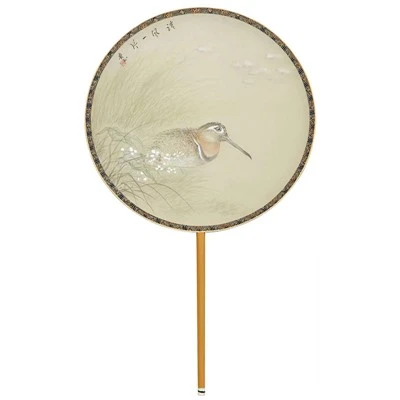
Let’s start with the first, and most foundational, source of inspiration: the Song dynasty. Song-era Gongbi (roughly 960–1279 CE) is widely considered the peak of this art form, and for good reason. Unlike later Gongbi works that sometimes leaned more decorative, Song dynasty painters were obsessive about detail—they’d spend weeks rendering the veins on a single lotus leaf, the way sunlight caught a bird’s feather, even the pattern of a butterfly’s wing. When I’m scouring my network of small, family-owned artisan studios in Hangzhou and Suzhou, I don’t just look for pieces that copy Song paintings; I look for the quiet choices that make those works feel alive. Last year, we worked with a painter in Suzhou who recreated a 12th-century Song scroll of mandarin ducks, but instead of rendering them in rigid, formal lines, she added a tiny, delicate twist: one duck’s beak is slightly open, as if it’s mid-quiet call, not just a static figure. We turned that piece into a limited-edition gift set, pairing the scroll with a small ceramic lotus dish to match the original painting’s motifs. Corporate clients loved it because it felt both timeless and intentional—not just a generic “Chinese art” piece, but something with a story. For wedding gifts, we source Song-style peony paintings; peonies were (and still are) symbols of prosperity and fidelity in Chinese culture, and their lush, layered petals fit perfectly with the romantic tone of wedding gifting. The key here is that we don’t just pull pieces from Song dynasty textbooks. We work with artisans who respect that history enough to tweak it, to make it feel relevant for someone hanging a piece in a 2024 living room, not just a museum. That balance is the first rule of our work as a Gongbi national style gift supplier.
Another major inspiration source that people rarely talk about is daily life in rural and urban China in the early 20th century. When I first began, I assumed Gongbi was only about imperial portraits or scrolls of flowers and birds from distant dynasties. Then I met an artist in Hangzhou who collects vintage postcards from the 1920s and 1930s, postcards that show women in cheongsams tending to potted jasmine, children flying kites in city parks, and street vendors selling mooncakes from wooden carts. She told me that back then, Gongbi painters weren’t just painting for emperors—they were painting the world around them, the small, quiet moments that mattered to ordinary people. That’s where my favorite pieces in our collection come from. Last year, we launched a line of small wall art prints based on those postcard-inspired Gongbi works, each paired with a handwritten note explaining the small, intimate moment it depicts. A corporate client in Seattle bought 500 of these for their client holiday gifts; they told us that instead of the generic branded calendars most companies send, these pieces felt like a gesture of care, like we’d thought about what would actually make someone’s day a little nicer. I still remember a customer at a boutique in Portland telling me she bought one for her grandmother, who’d grown up in Shanghai in the 1940s, and her grandmother cried when she saw it—she said it looked exactly like the neighborhood park where she’d played as a kid. That’s the magic of this inspiration source: it’s not grand or distant, it’s personal, and it connects to the lived experiences of people today, even if they’ve never been to China.
I’d also be lying if I said we don’t draw inspiration from modern interpretations of Gongbi, specifically the work of contemporary Chinese artists who are reimagining the medium for global audiences. A few years ago, I started noticing a shift in how young Chinese Gongbi painters were working—they were blending traditional line work with soft watercolors, adding subtle nods to Western minimalist design, and exploring themes like sustainability and female empowerment, while still keeping the core of Gongbi’s focus on detail and precision. One artist I’ve collaborated with for three years now paints flowers and insects, but she uses neon watercolors to highlight a single petal or a butterfly’s wing, a small, bold choice that feels very 21st century. We turned her work into a line of notebooks, tote bags, and small ceramic tea sets—gifts that feel distinctly Gongbi, but not dated or out of place in a modern office or bedroom. Last year, we displayed this line at a national gift show in New York, and a buyer from a luxury hotel chain told me she loved that the pieces didn’t feel like a “cultural artifact” but like a modern design item that happened to have roots in Gongbi. That’s a line I’ve had to walk carefully as a supplier: honoring the tradition without letting it become a gimmick. Contemporary inspiration lets us do that—we’re not just selling history, we’re selling a living art form that’s changing and growing, just like everything else.
Then there’s the inspiration that comes directly from the people who will receive our gifts. This is the source I value most, because it’s the reason every piece we curate feels tailored, not one-size-fits-all. For a long time, I thought my job was to find beautiful Gongbi pieces and present them to clients. Now, I start every conversation with a new client by asking questions: who is this gift for? What’s the occasion? What do they care about? A few months ago, a small law firm reached out for gifting to their new partners. They told me their partners valued integrity and collaboration, so I suggested a set of Gongbi prints of bamboo—bamboo is a symbol of resilience and integrity in Chinese culture, and the way Gongbi renders bamboo’s segmented stalks and delicate leaves feels collaborative, like lines working together to make a whole. The firm loved it, and told me the partners had never received a gift that felt so thoughtful, not just expensive. Another time, a couple was looking for a housewarming gift for friends who love gardening. I worked with an artist to create a custom small scroll of chrysanthemums, another Gongbi staple, with tiny bees rendered in the margin—bees mean community and growth, and the chrysanthemums fit the gardening theme. The friend who received it posted a photo on Instagram, saying it was the most unique housewarming gift she’d ever gotten. That’s the part I can’t plan for: taking the needs of the recipient and weaving together the history, artistry, and meaning of Gongbi to make something that feels made just for them.
I’ve learned a lot in seven years, and one of the biggest lessons is that inspiration for Gongbi national style gifts isn’t something you find in a book or a museum. It’s in the Song dynasty scrolls that have survived in Chinese villages for centuries, in the vintage postcards that show a grandmother’s childhood, in the contemporary artists who are updating this art form for my neighbors in Portland and Seattle, and in the quiet conversations I have with clients about what their recipients care about. Too often, when people buy “Chinese traditional gifts,” they’re getting something that feels generic, like a sticker on a history book. Our job as a supplier is to avoid that, to dig into the layers of Gongbi and turn them into gifts that hold meaning, that have a story, that someone will keep for years, not just toss after a month.
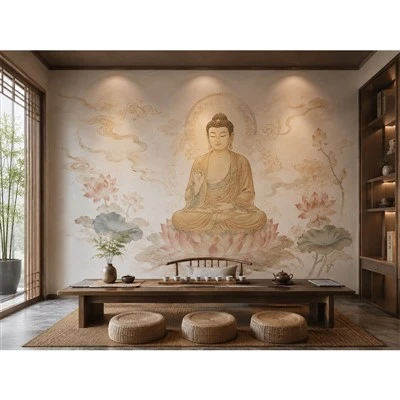
If you’re looking for gifts that blend traditional artistry with thoughtful, modern design—for clients, for weddings, for housewarmings, or any occasion—I’d love to talk. We can work together to curate pieces that fit exactly what you’re looking for, rooted in the rich inspiration that makes Gongbi national style gifts so special.
Hand Painted Wallpaper References
- Cheng, F. (2010). The Song Dynasty and the Rise of Gongbi Painting. Art History Publishing
- Li, M. (2018). Contemporary Gongbi: Reimagining a Traditional Chinese Art Form for Global Audiences. Asian Art Review
- Wang, L. (2021). Lived Traditions: Gongbi in 20th-Century Chinese Daily Life. Folklore Studies Journal
- Zhang, Y. (2022). Art as Gifting: The Cultural and Emotional Value of Chinese Traditional Artworks. Journal of Cultural Economics and Gift Giving
Rudong Zhimu Hand Painting Studio
As one of the most professional gongbi national style gift manufacturers and suppliers in China, we also support customized service. Please rest assured to wholesale high-end gongbi national style gift in stock here from our factory. If you have any enquiry about quotation, please feel free to email us.
Address: No.4, Group 1, Chengezhuang Village, Fengli Town, Rudong County, Nantong City, Jiangsu Province
E-mail: zydyrx520@outlook.com
WebSite: https://www.zhimupainting.com/
