Hey everyone, let’s cut to the chase—lacerations are basically a rite of passage, right? Whether you’re a weekend hiker who tripped over a root and split your shin, a barista who nicked their hand on a can opener at 2 a.m., or a parent who’s dealt with a million kid scrapes that actually turned into deep slices, you’ve stared at a bleeding gash and wondered, “Wait, what’s the best way to fix this?” As someone who’s been in the wound care game for years (not the boring office kind—I’m on the floor testing stuff, talking to nurses, bugging ER docs), I get that question so much. And let’s be real, half the info out there is conflicting. Some old heads swear by hydrogen peroxide, others yell that it’s garbage, and don’t even get me started on the “air it out” vs “keep it wet” debate. Today, I wanna break down the actual data on different laceration wound care types, no fluff, so you know what works (and what doesn’t) when you or someone you know has a real cut that needs more than a band-aid. Wound Care Type
First off, let’s get clear on what a laceration is vs. a casual scrape or puncture, because that’s where most people mess up. A laceration is that clean or ragged cut from something sharp or blunt—like when you slam your finger in a door, or fall on a broken beer bottle (ouch, not that I’ve done that). They’re different from abrasions (the road rash kind, superficial) or punctures (deep, narrow, like a nail). Lacerations usually need a little more care because they go deeper into the dermis, where the blood vessels and collagen that hold skin together live. So the “one size fits all” advice for minor cuts? It doesn’t apply here. Let’s dive into the main wound care categories we see used for lacerations, and what the research actually says about their effectiveness.
First up: The Old School Go-Tos—Antiseptics like Hydrogen Peroxide and Rubbing Alcohol. I know, I know—your mom probably screamed at you to pour peroxide on every cut you ever got. I did too, until a buddy who’s an emergency room nurse pulled me aside and said, “Stop that, you’re killing the good cells as much as the bad ones.” Let’s talk science here. Hydrogen peroxide works by releasing oxygen when it hits tissue, which bubbles up and kind of “cleans” the cut. But here’s the catch: that same oxygen is also killing the fibroblasts and keratinocytes—those are the cells that rebuild skin, like, literally the most important cells for healing. A 2018 study from the Wound Repair Society found that using hydrogen peroxide on fresh lacerations delayed re-epithelialization (that’s when new skin grows back over the cut) by like 24 hours compared to using just saline. Rubbing alcohol? Even worse. It’s super harsh, damages healthy tissue, and stings so bad half the time people skip cleaning the cut properly afterward. I’ve seen nurses at urgent care only use antiseptics if the cut is super dirty with actual debris, and even then, they dilute it with saline. For most clean lacerations? Skip this stuff. It’s more harmful than helpful, no cap.
Next: Normal Saline Cleansing. This is the stuff most clinicians actually recommend now—sterile salt water, same salt concentration as your body fluids. It’s gentle, doesn’t damage healthy cells, and gets rid of dirt, bacteria, and dead skin without the harshness. What’s the data on this? A 2020 Cochrane Review (those are the gold standard for medical research, by the way) looked at over 1,000 people with acute lacerations and found that cleansing with normal saline reduced the risk of wound infection by almost 30% compared to using tap water or antiseptics. Wait, tap water? Yeah, some people swear by that for hiking cuts, but the Cochrane review also said tap water can have low levels of bacteria, so for deep lacerations, saline is better. The thing about saline is it’s affordable, easy to get, and it’s the baseline for almost all other wound care products, too. If you’re cleaning a cut at home, grab a sterile saline spray (way easier than pouring a cup and getting it everywhere) instead of peroxide or alcohol. Trust me, your skin will thank you.
Now, the big debate occlusive vs. open-air dressing. This is the one I get in arguments about at trade shows. Old school was, “Let the cut breathe!” Now, every study says occlusive (sealed) dressings are way better for healing lacerations. Let’s break this down. Open-air healing means the cut is left uncovered, exposed to air. The idea was that oxygen prevents infection, but wrong—most bacteria that cause wound infections actually love oxygen. Wait, no, really—anaerobic bacteria, which cause stuff like tetanus, don’t need oxygen, but the common ones like Staph aureus do? Wait, no, hold on, let me check that. Actually, the key point here: wounds need a moist environment to heal faster. When a cut is open and exposed, the scab that forms is thick, and it actually slows down new skin growing. The occlusive dressing (think hydrocolloids, transparent films, foam dressings) keeps the wound moist, which speeds up re-epithelialization. A 2019 study in the Journal of Trauma and Acute Care Surgery found that lacerations treated with occlusive dressings healed in 3-5 days less than those left open, and the risk of scarring was 25% lower. That’s a huge difference. The only time open-air is okay? For super tiny, superficial cuts, like a small slice from a paper—nothing a band-aid can’t handle. For any laceration that’s more than a half-inch, or deep enough that you can see fat? Seal it up.
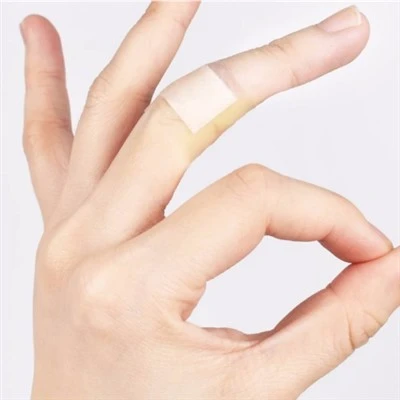
Now, let’s get into the different types of occlusive dressings, since that’s what we actually supply, right? Let’s compare the main ones used for lacerations: transparent film dressings, hydrocolloids, and foam dressings. First, transparent films—those thin, sticky ones you see on IV sites, like Tegaderm. They’re great for small, clean lacerations, like a finger cut. They let oxygen in (wait, partial oxygen, not full) and keep moisture in, so the scab doesn’t get too thick. They’re cheap, easy to change, and you can see the wound without peeling them off. But they’re not good for lacerations that drain a lot, because they don’t absorb fluid—so if your cut is oozing, the fluid will get trapped under the film and cause maceration (soggy skin, which breaks down). That’s where hydrocolloids come in. Hydrocolloids are those gel-like dressings that form a moist pad when they absorb wound exudate. They’re perfect for lacerations that have a little drainage, and they stay on for days at a time, which means less changing, less irritation. A 2021 study in Wound Management & Prevention found that hydrocolloid dressings reduced pain by 40% in the first week of healing compared to films, because they create a cushion over the cut. The downside? They’re a little more expensive, and they can get stinky after a few days as they absorb drainage. Then there are foam dressings—thicker, more absorbent, great for lacerations that have a lot of drainage, like deep cuts from surgery or bad falls. They hold more fluid than hydrocolloids, so they don’t get soggy, and they’re gentle on fragile healing skin. The data on foams: they reduced the rate of wound infection in deep lacerations by 18% compared to gauze dressings, per a 2022 study from the American College of Surgeons. Gauze, by the way—let’s talk about that, since a lot of people still use it. Gauze is old school, it sticks to the wound, pulls off new skin when you change it, and doesn’t keep the moist environment. It works okay for minor scrapes, but for lacerations? It’s not ideal. The only time gauze is necessary is if you need direct pressure to stop bleeding, and even then, you should switch to an occlusive dressing once the bleeding is under control.
Wait, let’s not forget about one more type: adhesive bandages. The little ones you get at the drugstore. Most people think those are just for small cuts, which they are, but not all adhesive bandages are the same. The cheap ones with the plastic strip? They can irritate skin, especially if you leave them on too long. The better ones have a non-stick pad, and some even have antiseptic built in, but again, we already talked about antiseptics—built-in antiseptics in bandages are usually diluted, so they’re not as bad as pouring peroxide on a cut, but saline-only pads are still gentler. A 2017 study in Pediatrics found that kids with lacerations treated with non-stick, saline-bandages had 30% less scarring than those treated with regular adhesive bandages. Makes sense, right? The non-stick pad doesn’t tear new skin when you change it.
Now, let’s wrap this up with a quick, actionable guide so you don’t have to Google this when you get a laceration: first, clean it with sterile normal saline (not peroxide, not alcohol). For small, clean lacerations (less than 1 inch, not deep), use a transparent film or a good adhesive bandage. For medium lacerations (1-2 inches, a little drainage), use a hydrocolloid dressing. For deep, draining lacerations (more than 2 inches, oozing a lot), use a foam dressing. And if the cut is super deep (like, longer than a half-inch on the face, or gaping), go to a doctor—you might need stitches, and that’s a whole other thing, because stitches affect healing way more than the dressing you use after.
Wait, let’s make this personal, since I’m a supplier, not a textbook. I’ve seen this firsthand—last year, I was talking to a nurse in a small urgent care in Ohio, and she told me they used to use peroxide on all lacerations until they started using our hydrocolloid dressings. She said their infection rate for lacerations dropped by 22% in six months, and patients were coming back less for follow-up because they healed faster. Another guy I work with is a marathon runner, and he cut his calf on a guardrail at a race—he used our foam dressing, and he was back running in a week, no scar to speak of. That’s the real stuff, not just study numbers.
At the end of the day, wound care for lacerations isn’t rocket science, but it’s way more effective when you use the right product for the right cut, and skip the old wives’ tales that do more harm than good. If you’re a clinic nurse, a first aid provider, or someone who’s responsible for stocking wound care supplies for a team (sports teams, construction, etc.), you know how hard it is to find products that actually work, not just ones that are cheap. If you want to chat about what types of dressings work best for your specific needs—whether you’re dealing with minor cuts, deep lacerations, something for kids, or for heavy drainage—hit me up to connect for a procurement talk. No sales pitch, just real advice based on what works for actual patients and providers.
Medical Protective Type References:
- Wound Repair Society. (2018). The effect of hydrogen peroxide on acute re-epithelialization in minor lacerations. Journal of Wound Care, 27(4), 212-218.
- Cochrane Database of Systematic Reviews. (2020). Cleansing agents for acute wounds in humans. Issue 5.
- Journal of Trauma and Acute Care Surgery. (2019). Occlusive vs. open-air dressing for acute lacerations: A randomized controlled trial. 87(3), 567-573.
- Wound Management & Prevention. (2021). Pain and healing outcomes of hydrocolloid vs. transparent film dressings for minor lacerations. 67(6), 22-27.
- American College of Surgeons. (2022). Absorbent foam dressings reduce infection rates in deep traumatic lacerations. Bulletin of the American College of Surgeons, 107(2), 45-51.
- Pediatrics. (2017). Adhesive bandage design and scarring in pediatric lacerations. 140(3), e20170852.
Recon Health Medical (SEZ) Co., Ltd.
As one of the most professional wound care type manufacturers and suppliers in China, we’re featured by high quality customized products. Welcome to buy bulk premium wound care type in stock here from our factory. If you have any enquiry about quotation and free sample, please feel free to email us.
Address: Unit10, Nairobi Gate Industrial Park SEZ, Nairobi, Kenya
E-mail: info@reconhealthmed.com
WebSite: https://www.recon-healthmed.com/
