If you’ve ever shopped for empty gelatin capsules—whether for a DIY supplement line, a small-scale pharmaceutical formulation, or even a home-brewed natural remedy—you’ve likely noticed two core categories pop up again and again: hard empty gelatin capsules and soft empty gelatin capsules. As a supplier who’s spent the last 12 years talking to formulators, small business owners, and even hobbyists who pour over capsule details for months before placing an order, I’ve seen way too many people mix these two up. They’re not just two versions of the same product; their differences go deep—all the way down to how they’re made, what they’re used for, and why picking the wrong one can derail even the most well-planned product launch. Let’s break this down, plain and simple, no stuffy industry jargon, just the real talk I’ve picked up from years of working with folks who need capsules that work for them. Empty Gelatin Capsules

First, let’s start with the basics of what unites them, because there’s one big thing that makes all empty gelatin capsules similar: their main ingredient. Both hard and soft gelatin capsules are made from bovine or porcine gelatin, a protein derived from collagen found in animal skin, bones, and connective tissue. That collagen is processed into a liquid, then shaped into the tiny, sturdy shells we fill—so they’re both biodegradable, easy to swallow (for most people), and versatile. But that’s where the similarities end, and the differences start, and those differences are the make-or-break part.
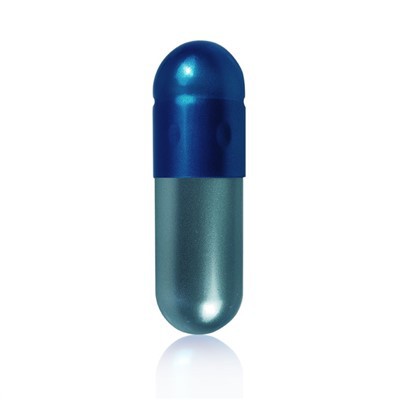
Let’s talk about hard gelatin capsules first—this is the one most people picture when they hear “empty capsules.” You’ve probably seen them at health food stores, or even bought them to fill with vitamin C or fish oil if you’re tired of big pills. The most obvious visual difference? They come in two separate pieces: a cylindrical “body” that’s slightly larger than a thin, pointed “cap.” When you pull them apart, you fill the open body with your powder or granule, slide the cap on, and they lock tightly.
Now, how are they made? The process for hard gelatin capsules is a lot simpler and more precise than soft ones, which is why we can produce them in so many sizes—from tiny size 000 (big enough to hold 1000mg of powder) all the way down to minuscule size 5, barely bigger than a pinhead. We use a stainless steel plate with thousands of tiny indentations, dip the plate into warm, liquid gelatin, pull it out, and the gelatin cools and solidifies into thin, hard shells in those molds. We then separate the cap and body shells, polish them, and sterilize them before packaging—all in a cleanroom, obviously, because we’re dealing with products that go inside people.
What makes hard capsules the go-to for so many applications, though, is their strength and their ability to hold dry ingredients. If you’re formulating a powdered supplement, a crushed herbal blend, or a dry pharmaceutical powder, hard gelatin capsules are your best bet. The lock between cap and body is airtight enough to keep moisture and air out, which is critical for keeping dry ingredients from clumping or degrading. I once had a customer, a small batch herbalist in Oregon, tell me she switched to hard capsules because her dried echinacea powder kept caking when she used a different type—turns out soft capsules absorb moisture from humid Oregon air, but hard ones kept her powder dry for months. They’re also easy to customize: we can print custom logos on them, make them in almost any color, and even adjust the amount of gelatin to make them dissolve slower or faster, depending on your needs.
Now, let’s flip to soft gelatin capsules, often called softgels, and this is where a lot of my customers get confused. Softgels are a single, seamless, oval or round shell—no two pieces, no lock. The whole thing is one solid shell, like a tiny water balloon made of gelatin. The manufacturing process is completely different, too. Instead of dipping a mold plate, we use a rotary die machine that presses two layers of warm gelatin together around a liquid or semi-solid fill. The machine shapes the gelatin into the shell as it goes, injecting the fill through a nozzle right into the middle, then seals the edges with pressure. That’s why there’s no seam, no cap and body—they’re one piece.
That single-piece design makes softgels the only real option for liquid or oily ingredients. Think about it: if you tried to pour liquid fish oil into a hard capsule, it would leak out, right? The gaps between the cap and body aren’t airtight enough to hold a liquid. Softgels, on the other hand, are designed to hold viscous, oily, or semi-solid fills—like omega-3 oils, vitamin E, liquid CBD, or even creams that need to be taken orally. I had a customer once who made a liquid turmeric supplement; he tried filling hard capsules but every other one leaked, ruining his batch. Switched to softgels, and he hasn’t had a leak in three years. Another big difference with softgels: they dissolve faster in the stomach, usually in 15 to 20 minutes, compared to hard capsules which take closer to 30 to 45 minutes. That’s not a rule, of course—there are enteric-coated hard capsules that dissolve in the intestines, for example—but it’s a general guideline.
Now, let’s get into the nitty-gritty differences that don’t jump out at first glance, because these are the ones that make or break a purchase. Let’s start with fill types: hard capsules = dry powders, granules, small pellets; soft capsules = liquids, oils, semi-solids, or even soft gels like aloe vera. If your fill is anything with a consistency thicker than honey, hard capsules are probably your only choice. If it’s oil, soft is non-negotiable.
Next, shelf life. Hard gelatin capsules, when stored in a cool, dry place (between 50 and 70 degrees Fahrenheit, humidity below 60%), can last up to two years. They don’t absorb much moisture, so their fill stays stable. Softgels, though, are more delicate. They have a higher moisture content (around 15-20%, compared to hard capsules’ 10-15%), so they can dry out or get sticky in humid conditions. If you leave a bottle of softgels in a bathroom cabinet, by the end of the month they’ll be crumbly or stuck together. Hard capsules are way more forgiving in storage—we have customers who order six months’ worth for their small business, and they still work perfectly as long as they’re kept dry.
Swallowing ease is another big one, especially for people who have trouble with pills. Wait a second—hard capsules are usually smaller than softgels, right? No, not always. Size 00 hard capsule is about the same length as a standard softgel, but softgels are rounder, so they might feel easier to slide down the throat for some people. I’ve had customers with dysphagia tell me they prefer softgels because the round shape is less likely to get stuck, while others say hard capsules are thinner and go down easier. It’s a personal thing, not a hard rule, but it’s worth testing both if you’re targeting people with swallowing challenges.
Then there are regulatory considerations, especially if you’re making a product that will be sold commercially, like a supplement or over-the-counter drug. Hard capsules are more widely accepted by regulatory bodies like the FDA and EFSA for many applications, because their manufacturing process is more standardized and easier to test for contaminants. Softgels are a bit more specialized, so if you’re planning to get your product on shelves nationwide, it’s important to make sure your softgel batch is properly tested for seal integrity—leaks in softgels can be a big compliance issue.
Let’s talk about common mistakes I see people making all the time, because that’s why I write this stuff. First, buying softgels for a dry powder. I had a guy last year who ordered 50,000 softgels to fill with his collagen powder, and when he got them, the powder was clumping so bad he could barely fit half the dose. Softgels absorb moisture from powder, plus the powder would stick to the inside of the shell. He had to return them and buy hard capsules, which would have saved him a lot of time and money if he’d just asked. The opposite mistake is buying hard capsules for liquid: a small batch maker in Chicago did this for his CBD oil, and he ended up with 20,000 capsules leaking all over his production line. That’s a nightmare—ruined product, lost time, extra cost to clean.
Another mistake: not considering customization. If you’re making a brand, custom printing and color are huge for standing out on store shelves. Hard capsules are way easier to print on—we can put crisp, clear logos and text on hundreds of thousands of hard capsules per hour, at a low cost. Softgels can be printed too, but because they’re soft and round, the print has to be done carefully to avoid smudging, and it’s a lot more expensive per thousand units. If branding is a priority for your product, hard capsules are usually the more cost-effective choice.
Now, when would you pick which one? Let’s do a quick cheat sheet, the stuff I share with every customer who calls to ask for advice. If your fill is dry powder, granule, or pellet, need a low-cost, customizable, long-lasting option, and your target can swallow small pills: go with hard gelatin capsules. If your fill is liquid, oil, semi-solid, or viscous, need fast dissolution, and your target prefers round, easy-to-swallow pills: go with soft gelatin capsules.
I’ve been in this business for 12 years, and the best part is helping people pick the right capsule for their needs, not just selling them whatever is in stock. Last quarter, a small startup came to me with a new herbal sleep supplement: they had a mix of dried lavender and magnesium glycinate powder, so they needed hard capsules. They were on a tight budget, so we helped them pick a standard size 0, unprinted, and even gave them a discount for their first bulk order. Three months later, they told me their capsules were selling out of every local health store, and customers were commenting on how easy they were to take. That’s the stuff that keeps me going—not just shipping capsules, but helping small brands grow.
If you’re not sure which one is right for your product, I always tell people to order a sample pack. Most suppliers, including us, will send a sample of hard and soft capsules in common sizes so you can test fitting your fill, check the seal, see how easy they are to swallow, and make sure they work for your formulation. Don’t guess—test. It saves you from wasting time and money on the wrong product.
Whether you’re a small business just starting out, a formulator refining an existing product, or a hobbyist making a personal supplement, understanding the difference between hard and soft gelatin capsules is key to making a product that works as well as it’s designed to. There’s no “better” one—only the right one for your specific needs, your fill, and your audience.
If you’re ready to place an order, need samples, or have questions about custom formulations, we’re here to help. We work with small and large businesses alike, offer competitive bulk pricing, and ensure every batch meets the highest quality standards for purity and consistency. Get in touch with our team to discuss your empty gelatin capsule needs today.
Liquid-Filled Capsules References
- International Council for Harmonisation of Technical Requirements for Pharmaceuticals for Human Use (ICH). Quality of Oral Solid Dosage Forms: Current Step 4 Guideline Q6A.
- U.S. Food and Drug Administration (FDA). Guidance for Industry: Empty Gelatin Capsules.
- The Pharmaceutical Press. (2020). Encyclopedia of Pharmaceutical Technology, 5th Edition.
- European Directorate for the Quality of Medicines & HealthCare (EDQM). Monograph on Gelatin for Pharmaceutical Use.
- American Herbal Products Association (AHPA). Guidelines for the Manufacture of Herbal Dietary Supplements, 2021 Edition.
Hubei Kornnac Pharmaceutical Co., Ltd.
Hubei Kornnac Pharmaceutical Co., Ltd. is one of the most professional empty gelatin capsules manufacturers and suppliers in China, specialized in providing high quality OEM service. Welcome you to buy bulk customized empty gelatin capsules at competitive price from our factory. Also, samples are available.
Address: No.439 Hebei Avenue, Chibi, Hubei Province, 437300, China.
E-mail: service@kornnaccaps.com
WebSite: https://www.kornnaccaps.com/
