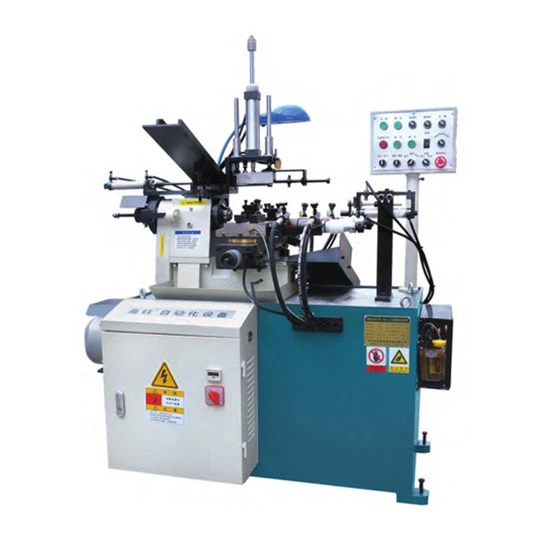
Hey there! As a supplier of Horizontal Machining Centers, I’ve seen firsthand how crucial it is to have a machine with high rigidity. Rigidity isn’t just a fancy term; it directly impacts the quality of the parts you produce, the efficiency of your operations, and the overall lifespan of your machining center. In this blog, I’m gonna share some tips on how to improve the rigidity of a Horizontal Machining Center. Horizontal Machining Center
Understanding the Basics of Rigidity
Before we dive into the ways to improve rigidity, let’s quickly go over what it means. Rigidity in a Horizontal Machining Center refers to its ability to resist deformation under the forces generated during the machining process. When a machine lacks rigidity, it can lead to issues like poor surface finish, inaccurate dimensions, and even premature wear and tear on the components.
1. Choose the Right Base Material
The base of the Horizontal Machining Center is like the foundation of a house. A solid and heavy base can significantly improve the machine’s rigidity. Gray cast iron is a popular choice for the base material because it has excellent damping properties. Damping helps to absorb the vibrations generated during machining, reducing the impact on the machine’s structure.
Steel is another option, especially for high – performance machining centers. It’s stronger and more rigid than cast iron, but it may not have the same damping capabilities. So, depending on your specific machining requirements, you need to choose the base material that best suits your needs.
2. Optimize the Structural Design
The design of the machining center plays a huge role in its rigidity. A well – designed machine should have a symmetrical structure. This helps to distribute the forces evenly across the machine during operation. For example, the column and the saddle should be designed in a way that they can support the weight of the spindle and the workpiece without flexing.
Also, using ribbed structures can enhance the rigidity of the machine components. Ribs add strength to the parts without adding too much weight. They act as reinforcement, preventing the components from deforming under the machining forces.
3. Upgrade the Spindle and Tooling
The spindle is one of the most critical components of a Horizontal Machining Center. A high – quality spindle with a large diameter and a short overhang can improve the machine’s rigidity. A larger diameter spindle is stronger and can withstand higher cutting forces, while a shorter overhang reduces the leverage effect, minimizing the bending moment on the spindle.
In addition to the spindle, the tooling also matters. Using rigid tool holders and high – quality cutting tools can reduce the vibrations during machining. A loose or worn – out tool holder can cause the tool to move erratically, leading to poor machining results and reduced machine rigidity.
4. Control the Machining Parameters
Proper control of the machining parameters is essential for maintaining the rigidity of the Horizontal Machining Center. For instance, the cutting speed, feed rate, and depth of cut should be carefully selected based on the material being machined and the capabilities of the machine.
If the cutting speed is too high, it can generate excessive heat and vibrations, which can damage the machine and reduce its rigidity. On the other hand, if the feed rate is too low, the machining process will be inefficient. Finding the right balance between these parameters is key to achieving optimal machining results and maintaining the machine’s rigidity.
5. Regular Maintenance and Inspection
Regular maintenance is a must – do for any Horizontal Machining Center. Over time, the components of the machine can wear out, which can affect its rigidity. By performing regular maintenance tasks such as lubricating the moving parts, checking the alignment of the axes, and tightening the bolts, you can ensure that the machine remains in good working condition.
Inspection is also important. You should regularly check for any signs of wear or damage on the machine components. If you notice any issues, such as loose bearings or worn – out guideways, you should address them immediately. Ignoring these problems can lead to further damage and a significant reduction in the machine’s rigidity.
6. Use Anti – Vibration Pads
Anti – vibration pads can be a simple yet effective way to improve the rigidity of a Horizontal Machining Center. These pads are placed under the machine to absorb the vibrations generated during operation. They help to isolate the machine from the floor, reducing the transfer of vibrations and improving the overall stability of the machine.
There are different types of anti – vibration pads available on the market, made from materials like rubber or neoprene. You need to choose the pads that are suitable for the weight and size of your machining center.
7. Implement Advanced Control Systems
Modern Horizontal Machining Centers are often equipped with advanced control systems. These systems can monitor the machining process in real – time and make adjustments to optimize the machine’s performance. For example, some control systems can automatically adjust the cutting parameters based on the feedback from the sensors, ensuring that the machine operates within its optimal rigidity range.
Advanced control systems can also detect any abnormal vibrations or forces during machining and take corrective actions. This helps to prevent damage to the machine and maintain its rigidity over time.
8. Consider the Workpiece Setup
The way you set up the workpiece on the Horizontal Machining Center can also affect its rigidity. A proper workpiece setup ensures that the forces are evenly distributed across the machine. You should use appropriate fixtures and clamps to secure the workpiece firmly.
If the workpiece is not properly secured, it can move during machining, causing vibrations and reducing the machine’s rigidity. Make sure to choose the right fixtures based on the shape and size of the workpiece, and position the workpiece in a way that it doesn’t put excessive stress on any particular part of the machine.
Wrapping It Up
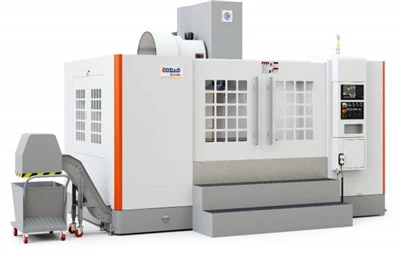
Improving the rigidity of a Horizontal Machining Center is a multi – faceted process that involves choosing the right materials, optimizing the design, upgrading the components, controlling the machining parameters, and performing regular maintenance. By following these tips, you can enhance the performance of your machining center, produce high – quality parts, and extend the lifespan of your machine.
Engraving and Milling Machine If you’re in the market for a Horizontal Machining Center or looking to improve the rigidity of your existing machine, I’d love to have a chat with you. Feel free to reach out to me for more information and to discuss your specific needs. I’m here to help you make the best decision for your machining operations.
References
- Smith, J. (2018). "Machining Center Design and Performance." Industrial Machinery Journal.
- Johnson, R. (2019). "Optimizing Machining Parameters for Rigidity." Manufacturing Technology Review.
- Brown, A. (2020). "Maintenance Strategies for Horizontal Machining Centers." Machine Tool Maintenance Magazine.
Taizhou Qiyang Trading Co., Ltd.
As one of the most professional horizontal machining center manufacturers and suppliers in China, we’re featured by quality products and good price. Please rest assured to buy bulk horizontal machining center for sale here and get quotation from our factory. Customized orders are welcome.
Address: Zhenhai Village, Binhai Town, Wenling City, Taizhou City, Zhejiang Province
E-mail: qycncmachine@outlook.com
WebSite: https://www.qycncmachine.com/
