As a seasoned tractor supplier, I’ve had countless conversations with farmers, contractors, and agricultural enthusiasts about the fuels that power these workhorses of the field. The question "What fuel does a tractor use?" is not as straightforward as it may seem. In this blog post, I’ll delve into the various types of fuels that tractors can run on, their advantages and disadvantages, and how to choose the right fuel for your specific needs. Tractor
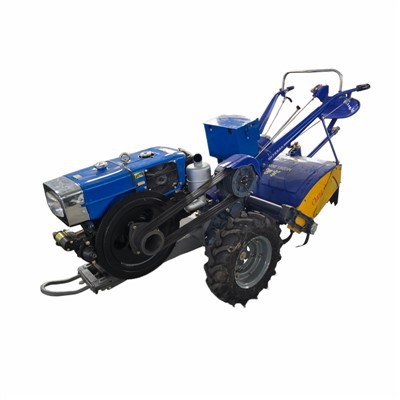
Diesel Fuel: The Traditional Choice
Diesel fuel has long been the standard for tractors, and for good reason. Diesel engines are known for their high torque, which is essential for heavy-duty tasks such as plowing, tilling, and pulling large loads. Diesel fuel is also more energy-dense than gasoline, meaning it can provide more power per gallon. This makes it an efficient choice for tractors that need to operate for long periods of time without refueling.
One of the main advantages of diesel fuel is its durability. Diesel engines are built to withstand the high compression ratios required to ignite the fuel, which makes them more reliable and less prone to wear and tear. Diesel fuel also has a longer shelf life than gasoline, which is important for farmers who may need to store fuel for extended periods of time.
However, diesel fuel also has some drawbacks. Diesel engines produce more emissions than gasoline engines, which can have a negative impact on the environment. In addition, diesel fuel is typically more expensive than gasoline, which can increase the operating costs of a tractor.
Gasoline: A Viable Alternative
Gasoline-powered tractors are less common than diesel-powered tractors, but they do have some advantages. Gasoline engines are generally lighter and more compact than diesel engines, which can make them more maneuverable in tight spaces. Gasoline fuel is also more readily available than diesel fuel, which can be an advantage in areas where diesel fuel is not easily accessible.
One of the main disadvantages of gasoline fuel is its lower energy density compared to diesel fuel. This means that gasoline-powered tractors may need to refuel more frequently than diesel-powered tractors. Gasoline engines also tend to produce more emissions than diesel engines, although modern gasoline engines are becoming more efficient and environmentally friendly.
Biodiesel: A Sustainable Option
Biodiesel is a renewable fuel made from vegetable oils, animal fats, or recycled cooking oil. It can be used in diesel engines without any modifications, making it a convenient and sustainable alternative to traditional diesel fuel. Biodiesel has several advantages over traditional diesel fuel, including lower emissions, improved lubricity, and a reduced carbon footprint.
One of the main benefits of biodiesel is its environmental friendliness. Biodiesel produces fewer emissions than traditional diesel fuel, including lower levels of particulate matter, carbon monoxide, and sulfur dioxide. This makes it a cleaner and more sustainable option for tractors that are used in environmentally sensitive areas.
However, biodiesel also has some limitations. Biodiesel can be more expensive than traditional diesel fuel, and it may not be as widely available. In addition, biodiesel can have a shorter shelf life than traditional diesel fuel, which can make it more difficult to store.
Ethanol: Another Renewable Option
Ethanol is a renewable fuel made from corn, sugarcane, or other biomass sources. It can be used in gasoline engines, either as a blend with gasoline or as a pure fuel. Ethanol has several advantages over traditional gasoline, including lower emissions, improved octane ratings, and a reduced dependence on foreign oil.
One of the main benefits of ethanol is its environmental friendliness. Ethanol produces fewer emissions than traditional gasoline, including lower levels of carbon monoxide, particulate matter, and greenhouse gases. This makes it a cleaner and more sustainable option for tractors that are used in urban or suburban areas.
However, ethanol also has some limitations. Ethanol has a lower energy density than gasoline, which means that ethanol-powered tractors may need to refuel more frequently than gasoline-powered tractors. Ethanol can also be more corrosive than gasoline, which can cause damage to engine components over time.
Choosing the Right Fuel for Your Tractor
When choosing a fuel for your tractor, there are several factors to consider. The type of fuel you choose will depend on your specific needs, including the type of work you do, the size of your tractor, and the availability of fuel in your area.
If you do a lot of heavy-duty work, such as plowing or tilling, a diesel-powered tractor may be the best option. Diesel engines are known for their high torque and durability, which makes them ideal for these types of tasks. However, if you do a lot of light-duty work, such as mowing or hauling, a gasoline-powered tractor may be a more suitable option.
If you are concerned about the environment, you may want to consider using biodiesel or ethanol. These renewable fuels can help reduce your carbon footprint and lower your emissions. However, you should be aware of the limitations of these fuels, such as their higher cost and shorter shelf life.
In addition to the type of fuel, you should also consider the quality of the fuel. Using low-quality fuel can cause damage to your tractor’s engine and reduce its performance. Make sure you use fuel that meets the manufacturer’s specifications and is free from contaminants.
Conclusion
In conclusion, the type of fuel that a tractor uses depends on several factors, including the type of work it does, the size of the tractor, and the availability of fuel in the area. Diesel fuel is the traditional choice for tractors, but gasoline, biodiesel, and ethanol are also viable alternatives. When choosing a fuel for your tractor, it’s important to consider your specific needs and the environmental impact of the fuel.
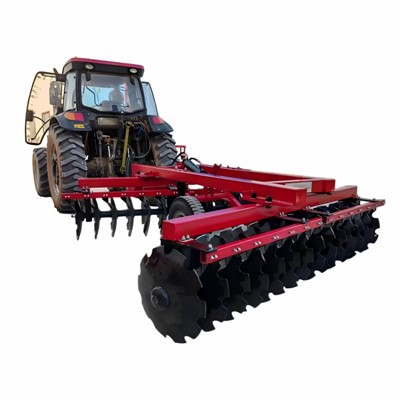
Tractor Attachments If you’re in the market for a new tractor or need to purchase fuel for your existing tractor, I encourage you to contact me to discuss your options. As a tractor supplier, I have the knowledge and expertise to help you choose the right fuel and equipment for your needs. Let’s work together to find the best solution for your farming or contracting operation.
References
- "Diesel Engines: Principles, Performance, and Emissions" by John B. Heywood
- "Alternative Fuels for Transportation" by the U.S. Department of Energy
- "Biodiesel: A Comprehensive Guide" by the National Biodiesel Board
- "Ethanol: The Renewable Fuel" by the Renewable Fuels Association
Shandong Ling Ke Industry Group Co., Ltd.
As one of the most professional tractor manufacturers and suppliers in China, we’re featured by quality products and good price. Please rest assured to buy cheap tractor for sale here from our factory. We also accept customized orders.
Address: 50 Meters West of the Connecting Road Between Jiuma Road and Shima Road, Fangzi District, Weifang City, Shandong Province, P.R.China
E-mail: aileenlin@sdlingkegroup.com
WebSite: https://www.lingketractor.com/
